
What is in Season: Winter Ingredients; Finger Lakes Farm-to-Table Style
- micromonycatering
- Dec 21, 2025
- 6 min read
Winter in the Finger Lakes isn't about what's growing fresh in the garden: it's about what you put away when times were good. This is when all that summer canning, fall preserving, and root cellar stocking really pays off. While city folks are buying expensive out-of-season tomatoes shipped from who-knows-where, we're opening jars of our own sauce that tastes like August sunshine.
The whole farm-to-table thing gets real different when there's snow on the ground and the thermometer hasn't seen 30 degrees in weeks. But that doesn't mean we're eating any less local or seasonal. We're just eating what the season actually gives us: and what we were smart enough to save from when the living was easy.
The Pantry Tells the Story
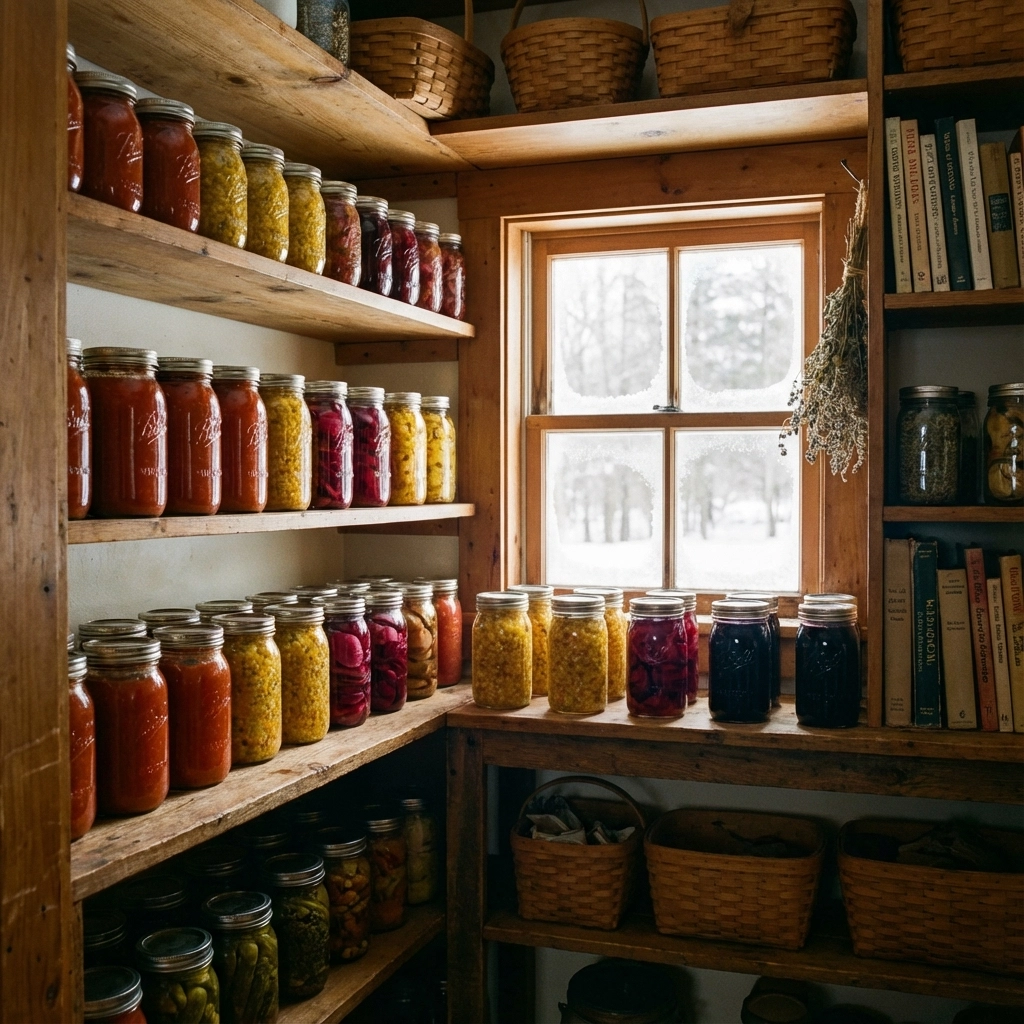
Walk into any farmhouse kitchen around here in January, and the real treasure isn't in the refrigerator: it's in the pantry. Shelves lined with mason jars that look like little stained glass windows: deep red tomato sauce, golden corn relish, purple beet pickles, and my favorite that most folks have never even heard of: elderberry jelly.
That elderberry jelly is something special. Most people walk right past elderberry bushes thinking they're just weeds, but they make the most incredible jelly you've ever tasted. It's got this deep, wine-like flavor that's perfect spread on fresh bread or stirred into plain yogurt. Every time I serve it at an event, people ask what it is and where they can buy it. The answer is always the same: you can't buy it, you have to make it.
The pickles are where you really see a farm cook's personality. Some folks just do basic dill, but the good cooks: they've got bread-and-butter pickles, pickled beans, pickled beets, and pickled carrots. Nothing says "I know what I'm doing in the kitchen" like opening a jar of homemade pickles in the middle of winter.
Bread and butter pickles tradition
Winter meals were never complete without my grandfather's homemade bread and butter pickles. His secret recipe was unlike anything you could find in a store. I used to sneak down to the cool basement and finish jars straight up, then hide the empties in the back until the supply ran low. When he noticed, there was no scolding. He just smiled, pulled a chair up to the kitchen table, and made sure I was the one he taught the recipe to, so the tradition would live on.
They taste like radiator warmth, wool socks, and Sunday suppers. Sweet, tangy, and crisp, they cut through hearty stews and roasts, waking up winter plates the way only a good pickle can. To me they're more than a condiment. They're a family handshake, a way of saying we saved summer for you.
We still make them small batch for winter menus, the same way he showed me: careful salting, plenty of onions, warm spices, and a patient overnight brine. When we set them out at events in January, you can see faces light up after the first bite. That's the cozy kind of cooking we love in the Finger Lakes, and it's food that carries a story.
Root Cellars and Cold Storage
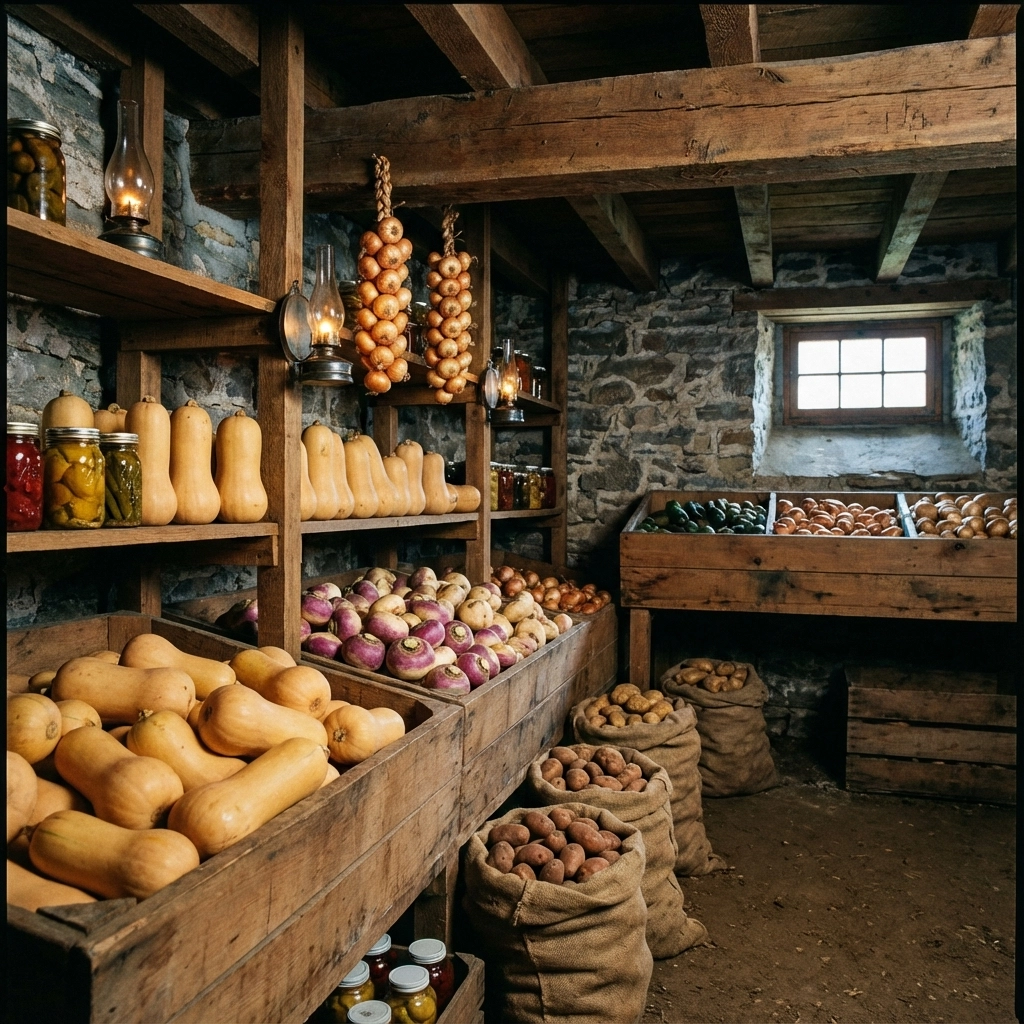
The root cellar is where the magic happens for winter vegetables. Potatoes, onions, carrots, beets, turnips, and winter squash: stored right, they'll keep until spring. There's an art to it that you don't learn from YouTube videos. You learn it from your grandmother, who learned it from hers.
Butternut squash keeps the longest and tastes the sweetest after a few months in storage. Those acorn squashes that seemed so perfect in October? They're even better now, with their starches turned to sugars and their flesh creamy and rich. And don't get me started on storage onions: the good varieties will keep until you're sick of them, which never happens because what would you cook without onions?
Potatoes are the real workhorses. Russets for baking and frying, reds for boiling, and those fingerlings that cost a fortune at fancy stores but grow like weeds if you know what you're doing. A good root cellar full of potatoes means you're never more than 30 minutes away from a decent meal.
The key is keeping them cold but not frozen, humid but not wet, dark but not damp. Sounds complicated, but it's really just about understanding what vegetables want: which is pretty much the same conditions they had underground when they were growing.
Maple Syrup Season is Almost Here
Come February, when the nights are still freezing but the days start creeping above 32, that's when the sap starts running. There's nothing quite like getting up before dawn on a crisp morning, walking through snow that crunches under your boots, and checking the maple trees to see if the buckets are filling up.
Real maple syrup isn't just something you pour on pancakes: though it's pretty great for that. It's liquid gold that takes about 40 gallons of sap to make one gallon of finished syrup. When you know that math, you understand why real maple syrup costs what it does and why the fake stuff is such an insult.
The best part about maple season is how it brings people together. Neighbors help neighbors, and there's usually someone with a sugar shack where folks gather to watch the boiling process and maybe sample the goods. It's one of those traditions that makes winter feel less like something to endure and more like something to celebrate.
Freezer Cooking and Wild Game
The chest freezer is another kind of pantry. Packages of ground beef from steers we knew by name, whole chickens from birds that actually got to run around outside, and if you're lucky, some venison from hunting season. This isn't the sterile supermarket meat wrapped in plastic: this is meat with a story.
Wild game cooking is where winter gets interesting. Venison stew with vegetables from the root cellar, slow-cooked until everything falls apart and the whole house smells like comfort. Duck roasted with apples that spent the fall in cold storage, the skin crispy and the meat rich and gamey in the best way possible.
Even the chickens are still contributing. They don't lay as many eggs when it's cold and the daylight is short, but they're still producing enough for breakfast and baking. There's something satisfying about gathering eggs in the snow, knowing that while everyone else is buying eggs that traveled hundreds of miles, yours traveled about 50 feet.
The art of freezer cooking isn't just about storage: it's about planning. Good cooks think seasons ahead, preparing meals in big batches when they have time and energy, then pulling them out on busy weekdays when the last thing you want to do is start from scratch.
Winter Baking with Preserved Fruit
This is when all that fruit preserving really shines. Apple butter from the October harvest makes incredible coffee cake. Those strawberries you froze in June become the best muffins you'll eat all winter. And if you were smart enough to freeze some rhubarb, you've got the makings for the perfect winter pie.
Baking in winter feels different than summer cooking. The oven warming the kitchen, the smell of bread rising, the way homemade cookies make everyone happy: it's soul food in the truest sense. And when you're using ingredients you put up yourself, every bite tastes like the memory of when that fruit was fresh.
The trick with frozen fruit in baking is understanding that it's going to release more moisture than fresh, so you adjust accordingly. A little extra flour, maybe some cornstarch, and patience while it bakes. The results are worth it: fruit that tastes like the peak of summer in the middle of winter's worst weather.


Bringing Farm-to-Table to Winter Events
When people ask how we do farm-to-table catering in winter, this is what we're talking about. It's not about flying in expensive vegetables from California or serving strawberries in January. It's about celebrating what the season actually offers and what good planning provides.
A winter menu might feature beef stew made with our preserved tomatoes, root vegetables from local cellars, and herbs that were dried at the peak of summer. Bread made with flour from grain that grew right here in the Finger Lakes. Pickled vegetables that add brightness to heavy winter dishes. Apple crisp with fruit from orchards you can see from the venue.
This approach means menus that change not just seasonally but weekly, based on what's available and what makes sense. It means explaining to clients that local doesn't always mean fresh-picked, but it always means connected to place and season in a meaningful way.
The result is food that tells the story of where it comes from and when it's being served. Winter comfort food that actually comforts, made from ingredients that were grown and preserved by people who understand that eating seasonally isn't just a trendy concept: it's how you eat well no matter what the weather's doing outside.
When everything else is frozen and dormant, the winter pantry comes alive, turning months of preparation into meals that warm you from the inside out. That's real farm-to-table cooking, and it's never more important than when the farm is sleeping under a blanket of snow.
Comments