
What is in Season: Summer Ingredients; Finger Lakes Farm-to-Table Style
- micromonycatering
- Dec 19, 2025
- 6 min read

Summer in the Finger Lakes isn't just a season: it's when our family's farm-to-table heritage truly comes alive. While everyone's talking about "farm-to-table" like it's some trendy new concept, we've been living it for generations. Our great-grandparents didn't call it farm-to-table; they just called it dinner.
The Real Summer Harvest Story
By July, our gardens are bursting. I'm talking about that moment when you step outside at dawn and can practically see the tomatoes growing. The sweet corn stands tall enough that kids can hide between the rows, and the cucumber vines have taken over half the fence line: again.
This is when the real work begins. Not just the growing, but the preserving, the canning, the late nights in the kitchen making sure nothing goes to waste. Because when August hits with its full fury of abundance, you either keep up or watch good food rot.
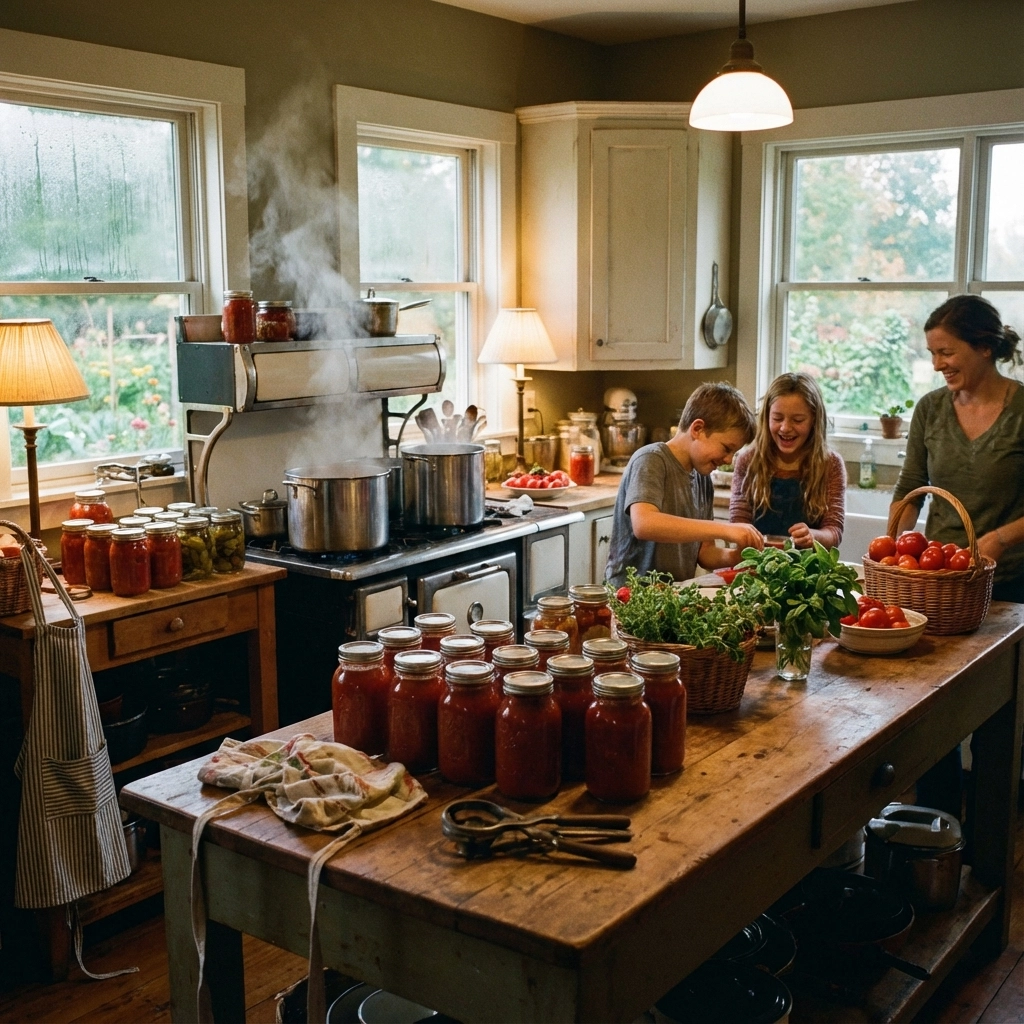
My grandmother used to say summer was three months of work for nine months of eating. She wasn't wrong. Those hot August afternoons spent over steaming canning pots, making batch after batch of tomato sauce, weren't just about food preservation: they were about preserving a way of life.
Peak Summer Bounty: What We're Growing and Foraging
The Tomato Explosion
By mid-July, our tomato plants are heavy with fruit. We're talking about real tomatoes here: the kind that are still warm from the sun when you pick them, with juice that runs down your arm when you bite into them. Cherokee Purples, Brandywines, Early Girls, and those reliable paste tomatoes that become our winter sauce supply.
There's nothing like walking through the tomato rows at sunset, checking for the perfect ones for tomorrow's harvest. We pick them at different stages: some green for end-of-season frying, some just turning for slow ripening, and the perfectly red ones that go straight from vine to table.
Sweet Corn: Timing is Everything
Sweet corn is all about timing. You pick it when the silk is still slightly damp from the morning dew, when the kernels pop with the slightest pressure from your thumbnail. We learned early that corn starts converting its sugars to starch the moment it's picked, so from garden to pot shouldn't be more than an hour.
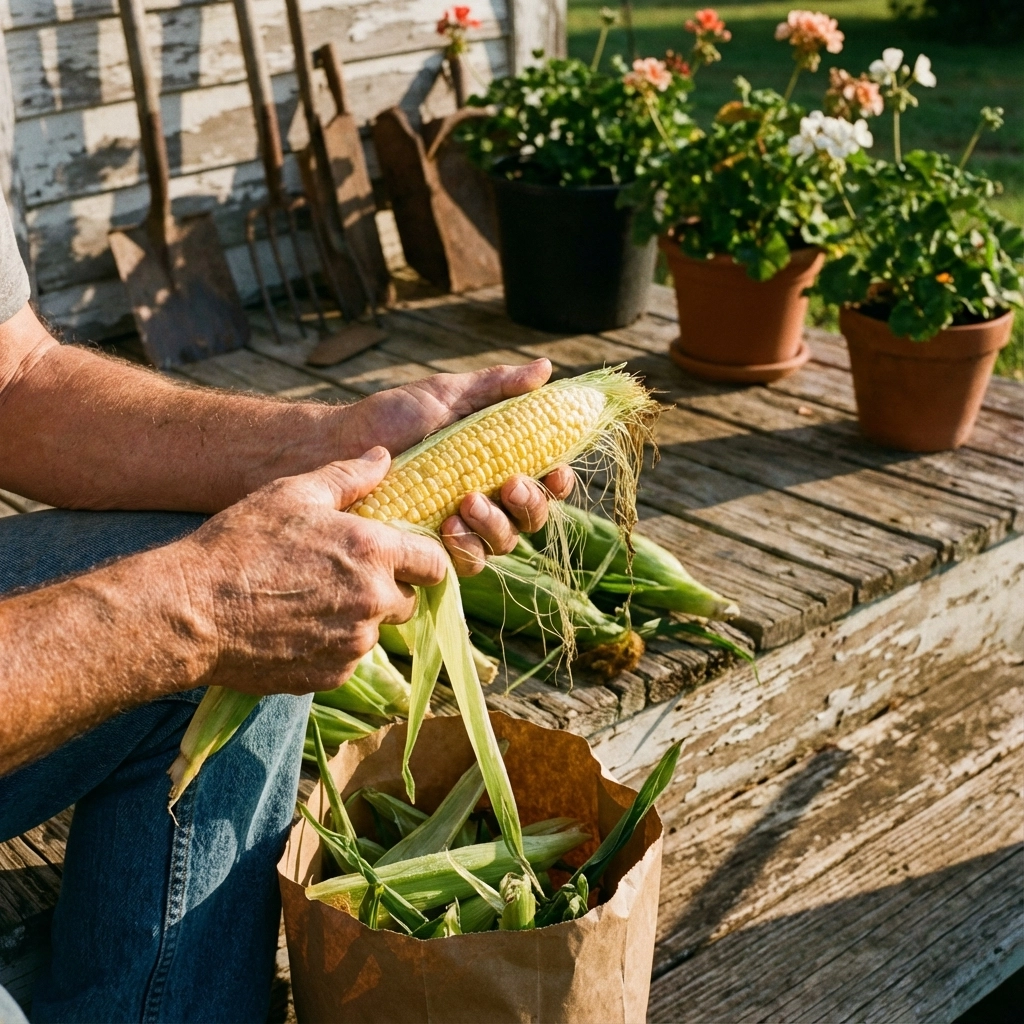
The kids still race to see who can shuck the fastest pile of ears. It's a tradition that goes back to when I was small, sitting on the back porch with a brown paper bag between my knees, pulling silk and checking for worms.
After shucking the corn, we'd always toss the husks over the fence to the neighbor's dairy cows—nothing ever went to waste. The cows would come right up for their leafy treat, and it felt like every harvest helped feed the whole neighborhood, animals included.
Wild Berry Adventures
Summer means wild berries, and wild berries mean adventure. We know every bramble patch within walking distance: the wild raspberries that grow along the old stone walls, the elderberries down by the creek, the wild strawberries hidden in the woods that are about the size of a dime but pack more flavor than anything you'll find in a store.
Berry picking is serious business in our family. You wear long sleeves despite the heat, bring containers with handles, and always eat one for every two you put in the bucket. It's an unspoken rule. The thorns, the mosquitoes, the sun: it's all worth it for that first spoonful of wild berry jam in December.
The Garden Workhorses
Cucumbers climb our makeshift trellises with determination. By August, we're harvesting them daily, turning them into pickles faster than we can give them away. There's something satisfying about rows of pickle jars lined up on the counter, waiting for their water bath canning session.

Our lettuce grows in succession plantings: sow new rows every two weeks to keep fresh greens coming all summer. The early summer varieties give way to heat-tolerant types, and by late summer, we're already thinking about fall plantings.
Green beans grow in both bush and pole varieties. The bush beans give us one big harvest for canning, while the pole beans keep producing right up until the first frost, perfect for fresh eating and regular preservation.
Beyond the Garden: Our Animals
Summer is when our chickens earn their keep. Free-range hens wandering through the orchard, scratching and pecking, providing eggs with yolks so orange they look almost artificial. The roosters keep watch while the hens dust-bathe in the shade of the apple trees.
Our beef cattle graze the back pastures, moving from section to section as we manage the grassland. By late summer, they're sleek and content, knowing that fresh grass and clean water are always available. It's rotational grazing at its simplest: not because it's trendy, but because it works.
The pigs root around in their section of woods, turning over logs and clearing underbrush. They get the windfall apples, the garden surplus, and the whey from our occasional cheese-making experiments. Happy pigs make better meat: that's not marketing speak, that's just truth.
Preservation: Making Summer Last
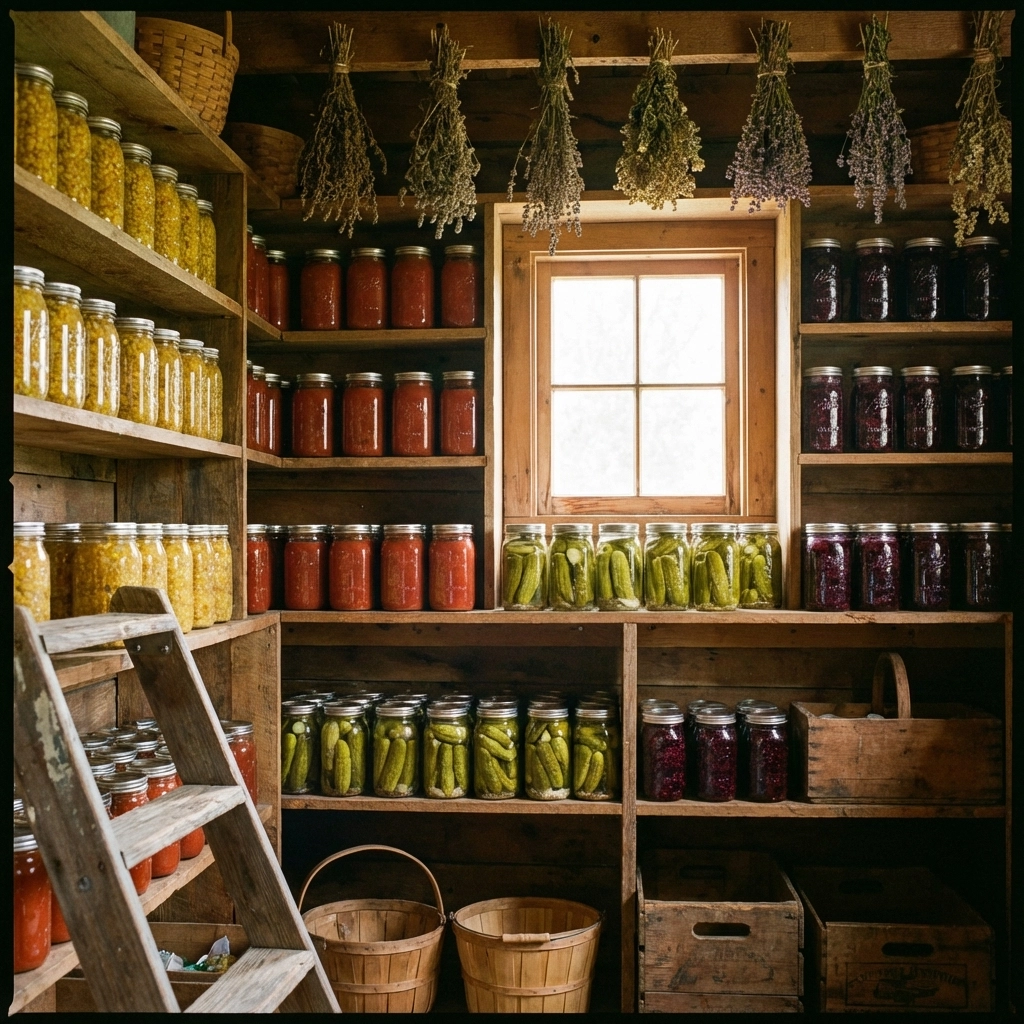
August nights mean canning sessions. The kitchen windows steam up from boiling water baths, and every available counter space is covered with jars in various stages of processing. Tomato sauce, salsa, pickled cucumbers, green beans, corn relish: we make enough to last until the next harvest.
Freezing is simpler than canning for some things. Blanched and shocked green beans go into freezer bags, along with corn cut from the cob and berries destined for winter pies. The chest freezer in the basement becomes our winter insurance policy.
And then there is the jelly. "My favorite, and always will be, is elderberry jelly. Most folks have never heard of it or tasted it, but there's nothing more special than that deep, wild fruit flavor—each summer batch a little different. To me, elderberry jelly is the real taste of upstate, and I’ll make it forever if I can find enough berries to pick!"
Dehydrating herbs happens on screens in the attic: basil, oregano, parsley, chives. The smell drifts down through the old house, marking the end of summer in the most aromatic way possible.
How This Translates to Micromony Catering
When we design summer menus for weddings and events, this is what we're drawing from: real experience with real ingredients at their peak moment. We know that sweet corn is best when it's so fresh it squeaks, that tomatoes need to be handled gently to preserve their perfect shape, that herbs should be picked in the early morning when their oils are most concentrated.
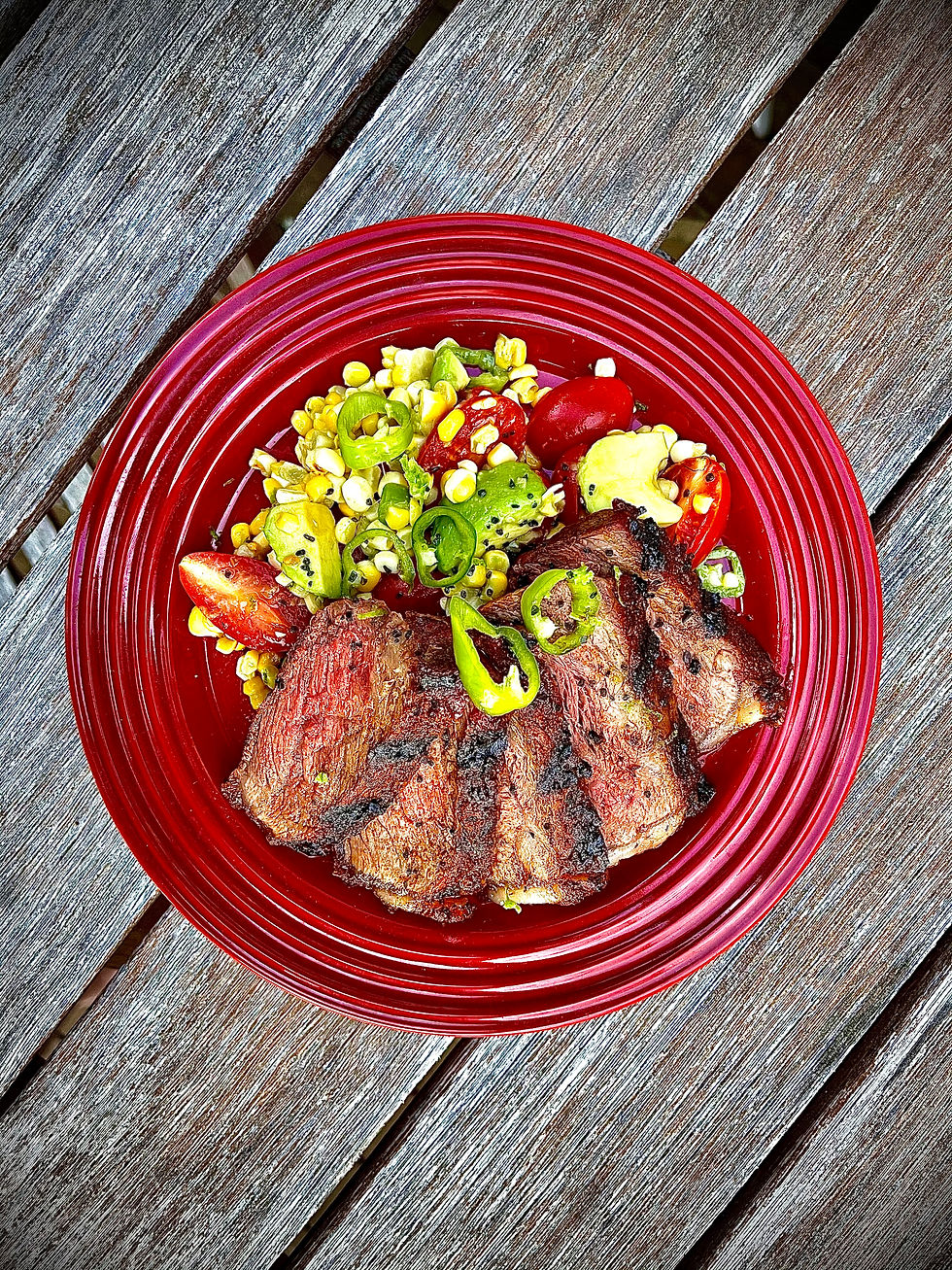
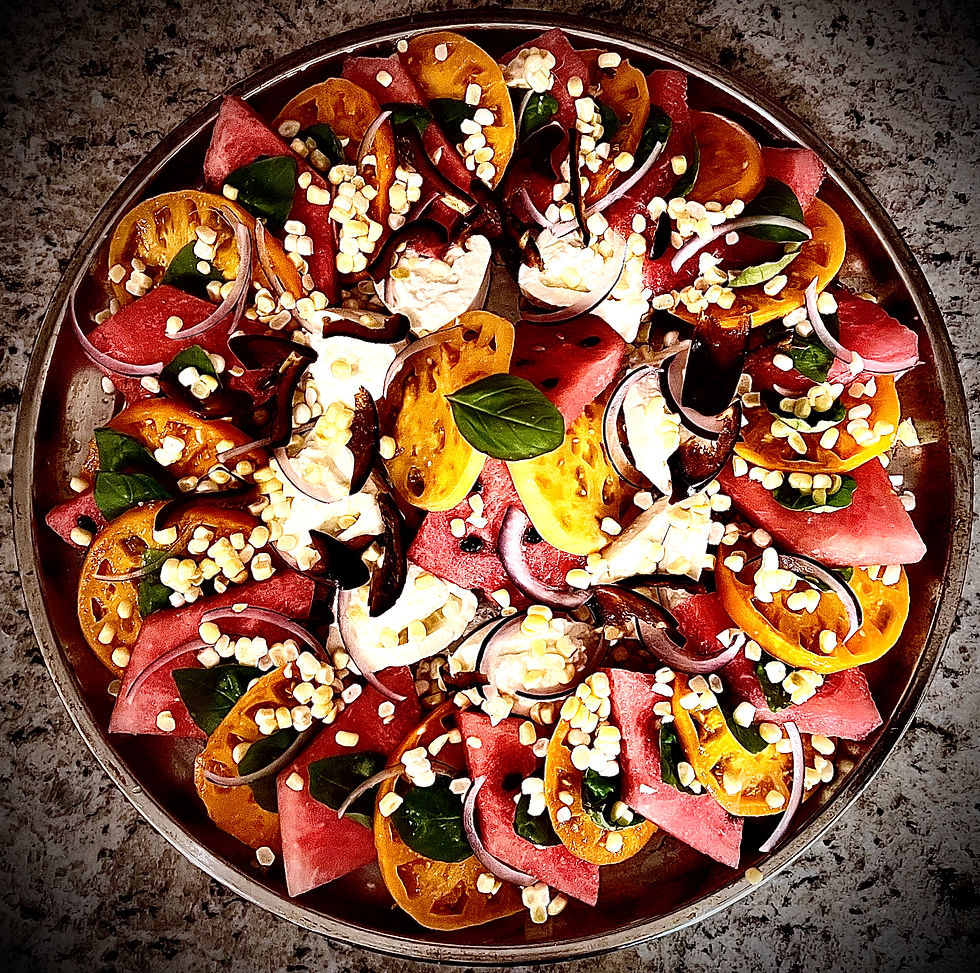
Our summer catering showcases this knowledge. Fresh tomato and basil salads that taste like August sunshine. Grilled vegetables that still have a bit of snap to them. Sweet corn that's been cut fresh that morning and quickly grilled to caramelize the natural sugars.

We work with local farms that share our understanding of timing and quality. When we say farm-to-table, we mean we know the farmer, we've walked the fields, we understand the difference between a tomato picked yesterday and one picked an hour ago.
The Full Circle
Late summer brings the satisfying exhaustion of a successful harvest. Pantry shelves lined with preserves, freezers full of carefully processed vegetables, herb bundles hanging in the kitchen. This is what real farm-to-table looks like: not just buying local, but understanding the full cycle from seed to preservation.
When September arrives and the first cool nights hint at autumn, we're ready. Not just for the changing season, but for the quiet months when we'll open jars of summer sunshine and remember these long, productive days.
This is the foundation of everything we do at Micromony Catering. Not the trend, not the marketing concept, but the real thing: generations of knowledge about when to plant, when to harvest, how to preserve, and most importantly, how to honor ingredients by using them at their absolute peak.
Summer in the Finger Lakes isn't just about what's in season: it's about understanding that everything has its moment, and our job is to be ready for it.
Comments