
What is in Season: Fall Ingredients; Finger Lakes Farm-to-Table Style
- micromonycatering
- Dec 20, 2025
- 5 min read
Fall hits different here in the Finger Lakes. The air gets crisp, leaves start their show, and suddenly everyone's talking about apple picking and pumpkin everything. But for those of us who've been doing this farm-to-table thing long before it was trendy, fall means something deeper: it's harvest time, preservation season, and the start of our year-long food security planning.
I've been walking these same orchards and pumpkin patches since I was knee-high to a grasshopper, and every September still feels like Christmas morning to me.
Apple Season and Cider Making
There's nothing quite like a Finger Lakes apple orchard in October. We're talking about heritage varieties that have been growing here for generations: not just your standard grocery store apples. Northern Spy, Rhode Island Greening, Esopus Spitzenburg: these are apples with stories, apples that actually taste like something.
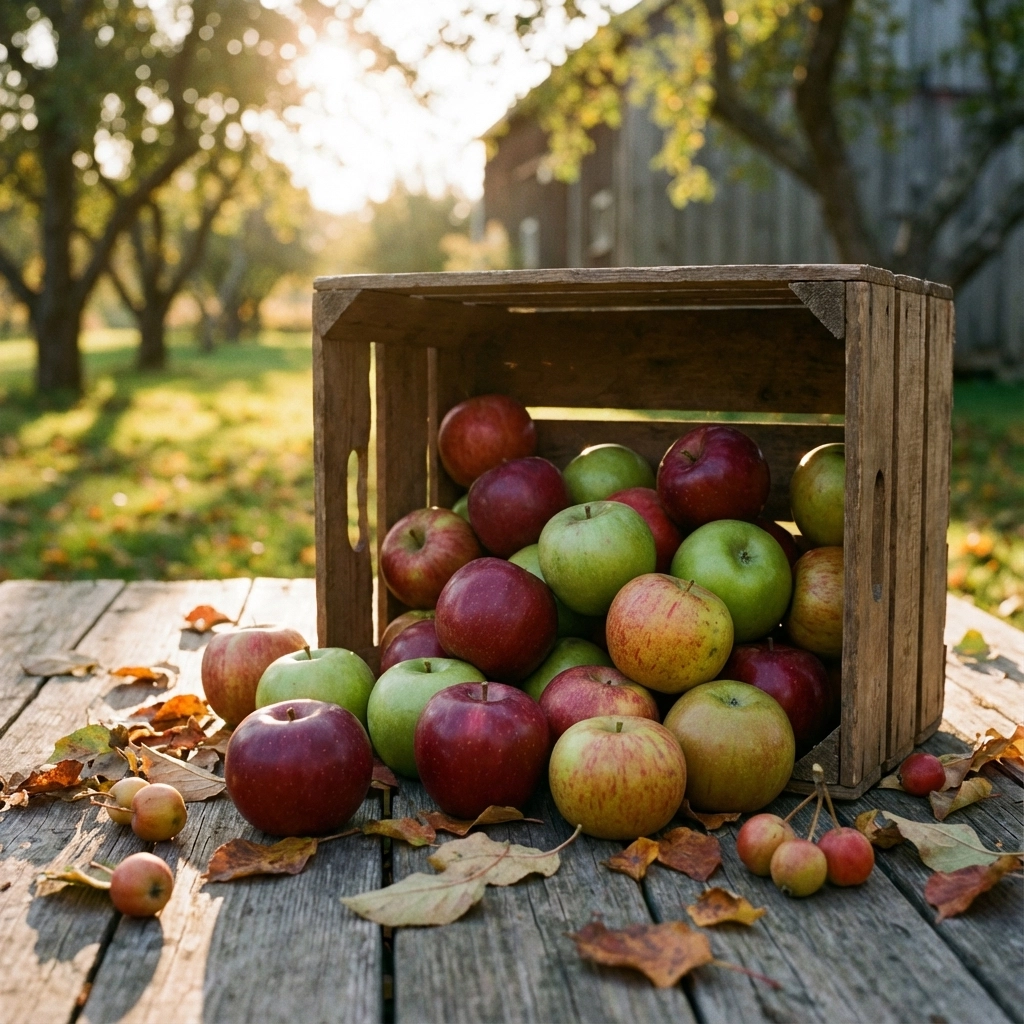
My family's been making cider the old-fashioned way since my great-grandmother's time. We've got an ancient cider press that still works perfectly: probably better than anything you can buy new today. The key is mixing your varieties. You want some tart, some sweet, some that add body. We always throw in a few crab apples for that extra punch of flavor that makes people wonder what makes our cider different from everyone else's.
The best part about apple season isn't just the eating: it's the storing. We've got bushel baskets lined up in the root cellar, each variety carefully separated. Some apples are for immediate eating, others for pies through winter, and the ones that'll keep until spring if stored properly. My grandmother taught me to wrap each keeper apple in newspaper. Sounds old-fashioned, but those apples are still crisp come March.
And right here at home, the Cornell Apple Orchard has been a cornerstone of upstate New York agriculture since the late 1800s, developing 69 apple varieties and inspiring local apple lovers and bakers. Their innovative apples have shaped the region's pies, crisps, and cider. There is nothing quite like wandering those orchards in the fall.
Pumpkins and Winter Squash from the Family Patch
Our pumpkin patch isn't some Instagram photo-op: it's a working patch that feeds us through winter. We grow everything from sugar pumpkins perfect for pies to massive storage squash that'll keep in the cool basement until next summer if need be.
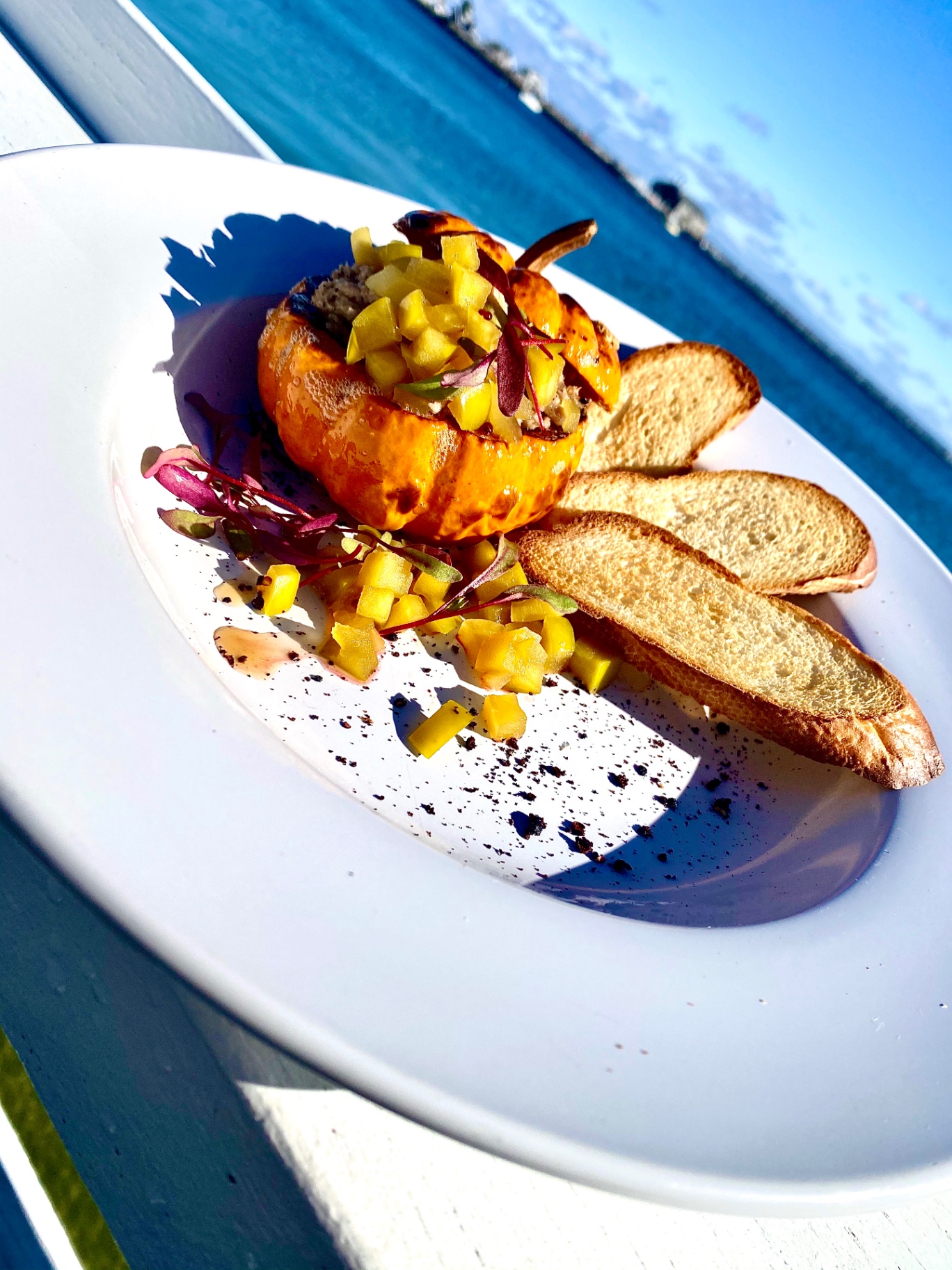
Butternut, acorn, delicata, hubbard: each variety has its purpose. The butternuts get roasted and pureed for soups that warm you from the inside out. Acorn squash stuffed with wild rice and mushrooms makes a meal that'll stick to your ribs. And don't get me started on delicata: that's the squash that converts people who think they don't like squash.
The pumpkins tell their own story. We save seeds from the best ones each year, dry them by the woodstove, and plant them the following spring. It's a cycle that connects us to this land in ways that buying pumpkins at a store never could.
Iron Kettle Farm in Candor, NY is a true Finger Lakes fall landmark. People drive hours every season just to visit the pumpkin patch, and as a teen, I painted and sold pumpkins there. The quirky displays, homemade donuts, and family traditions make it pure upstate magic.
Preserving Fall's Bounty
This is where the real magic happens. Fall preservation isn't just about having food for winter: it's about capturing the essence of the season in jars, freezer bags, and root cellars that'll remind you of October sunshine come February.
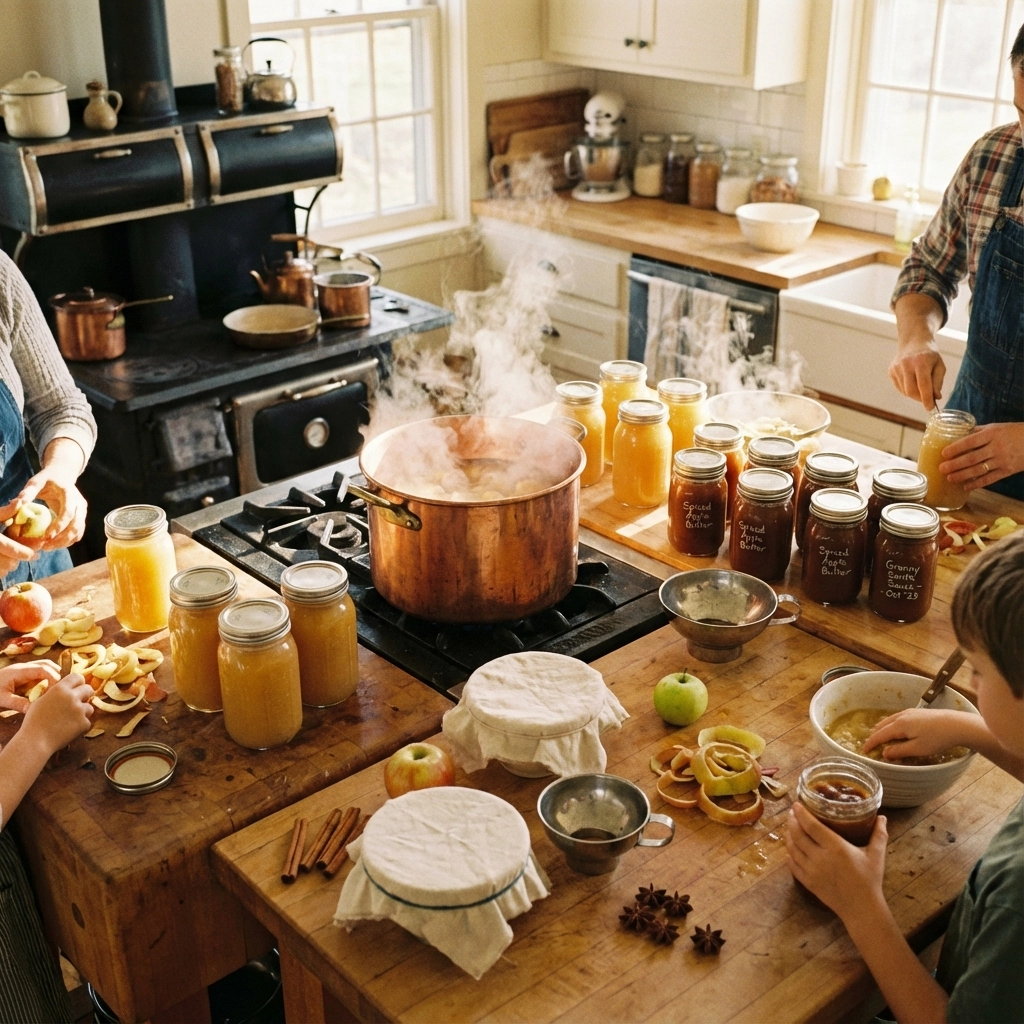
We spend entire weekends making applesauce, apple butter, and apple jelly. The house fills with steam and cinnamon, and every surface is covered with cooling jars. There's something deeply satisfying about hearing those lids pop as they seal: each pop is another meal secured for winter.
Pumpkin and squash get the freezer treatment. We roast them whole until they're tender, scoop out the flesh, and freeze it in measured portions perfect for pies, breads, and soups. Come December, when fresh local produce is scarce, these frozen treasures taste like pure autumn.
The root cellar gets loaded with storage crops: carrots packed in sand, potatoes in ventilated crates, onions braided and hanging from the rafters. Beets, turnips, parsnips: all the vegetables that actually get sweeter after a light frost. This isn't hoarding; it's how people ate well year-round before supermarkets made everything available all the time.
Wild Mushroom Foraging and Nut Gathering
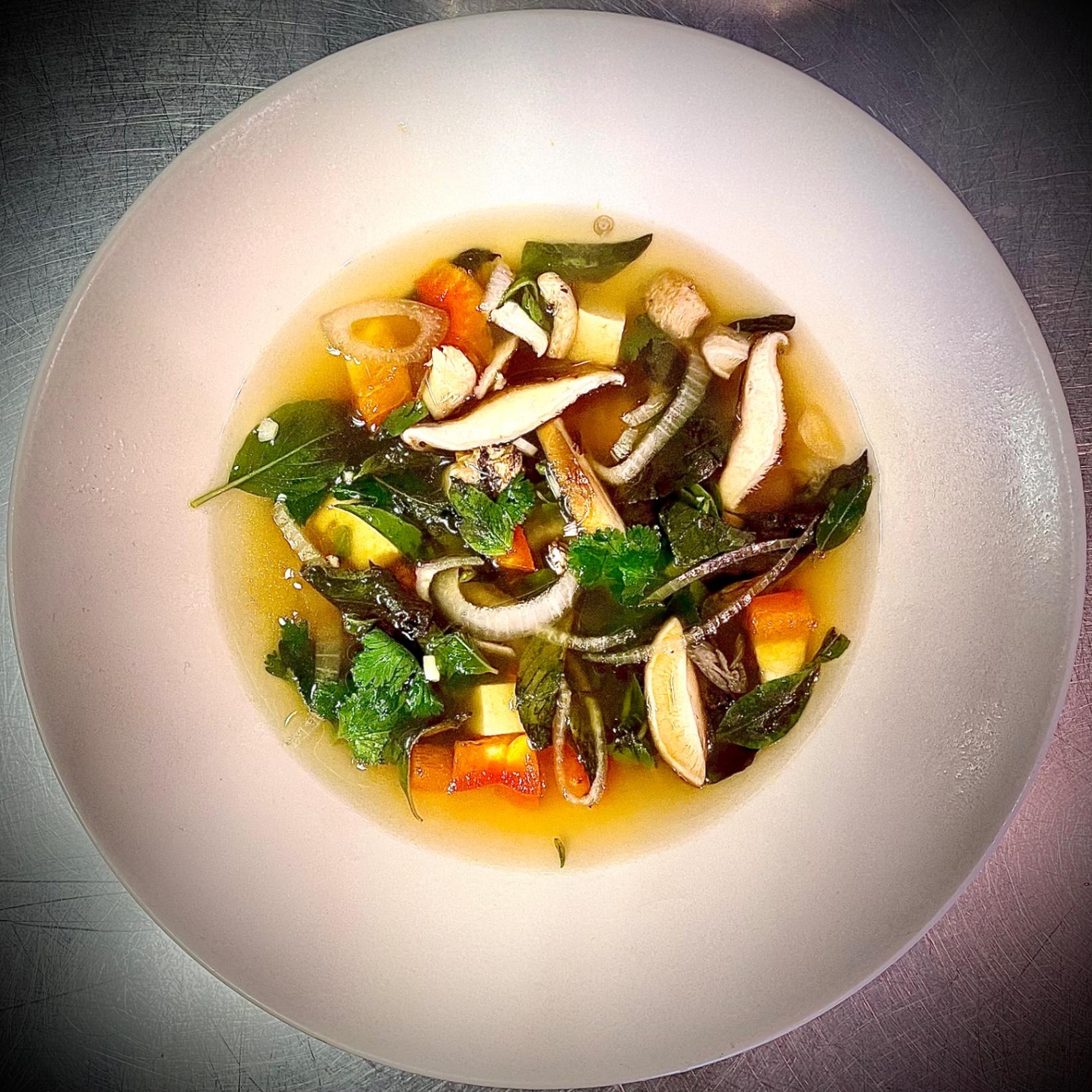
Fall foraging is serious business around here. We've got patches of oyster mushrooms on dead elm trees, honey mushrooms that show up reliably every September, and if you know where to look: chicken of the woods that tastes better than any actual chicken you've ever had.
My uncle taught me mushroom hunting when I was twelve, and his first rule still stands: when in doubt, don't. We stick to the easy-to-identify varieties and leave the questionable ones alone. There's plenty of safe, delicious mushrooms out there without risking it on something that might make you sick.
Black walnuts are everywhere if you don't mind the work. Sure, they're messy to process and will stain your hands brown for weeks, but the flavor is intense in a way that makes store-bought walnuts taste like cardboard. We spread them on screens in the garage, let them dry properly, then spend winter evenings cracking them while watching old movies.
Hickory nuts are the real treasure though. Harder to find, harder to crack, but worth every bit of effort. Native Americans survived winters on these nuts, and once you taste them, you understand why.
Root Cellaring and Storage Wisdom
The root cellar is where old-school food wisdom lives on. Ours was dug by my grandfather in the 1940s: stone walls, dirt floor, perfect temperature and humidity year-round. It's like having a natural refrigerator that never needs electricity.
Different vegetables need different conditions. Potatoes like it dark and cool but not cold: too cold and the starches turn to sugar. Carrots and beets can handle near-freezing temperatures and actually prefer high humidity. Onions and garlic need good air circulation and slightly warmer conditions.
We layer carrots in sand, store cabbages wrapped in newspaper, and hang herbs in bundles from the ceiling. By Christmas, that cellar is like a grocery store that never sends bills.
How This Translates to Fall Catering
When people hire us for fall events, they're not just getting pretty autumn decorations on their tables: they're getting food that actually tastes like fall should taste. While other caterers are buying "fall-themed" ingredients shipped from who-knows-where, we're serving food made from vegetables that were growing in local soil last week.
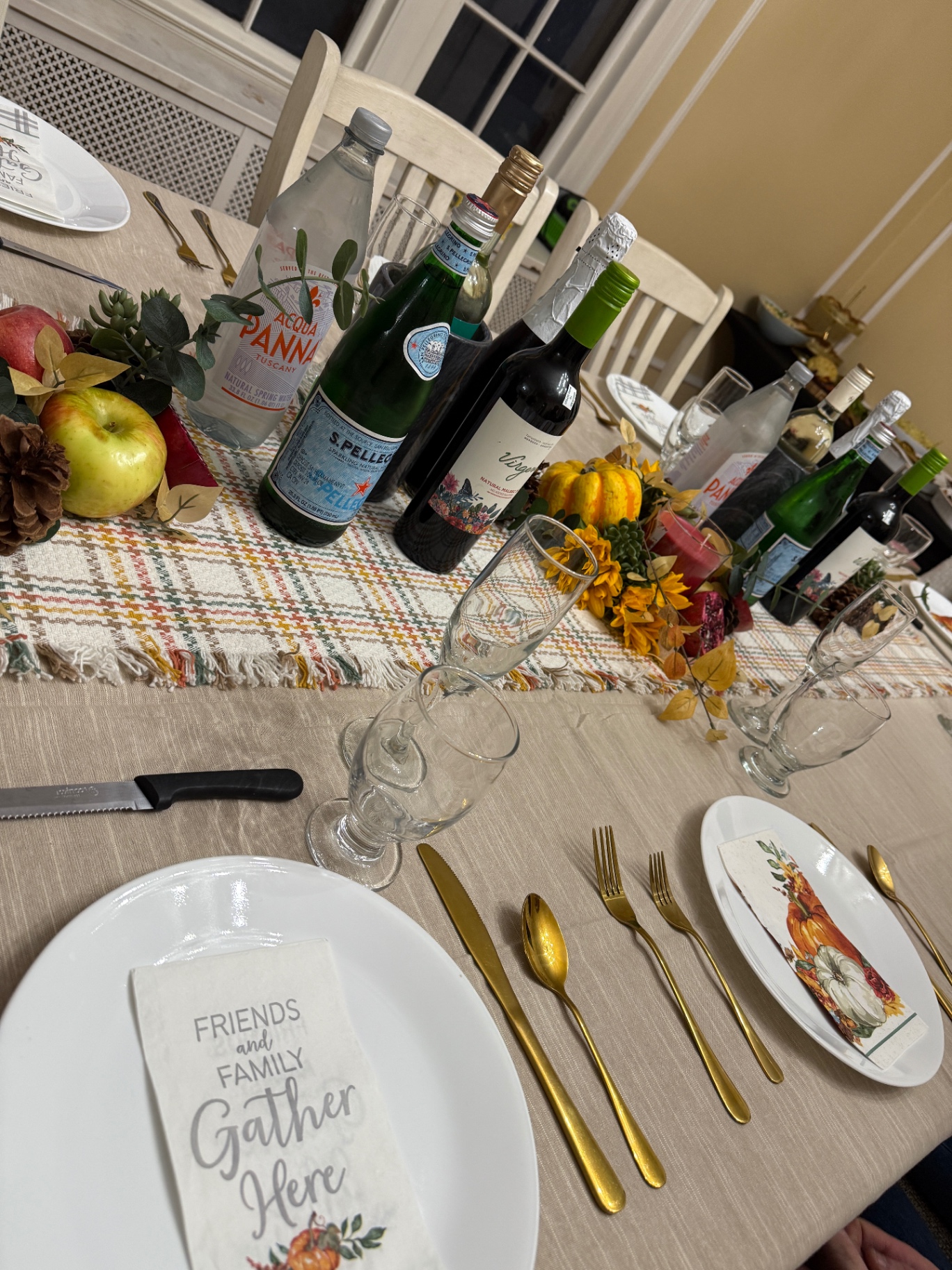
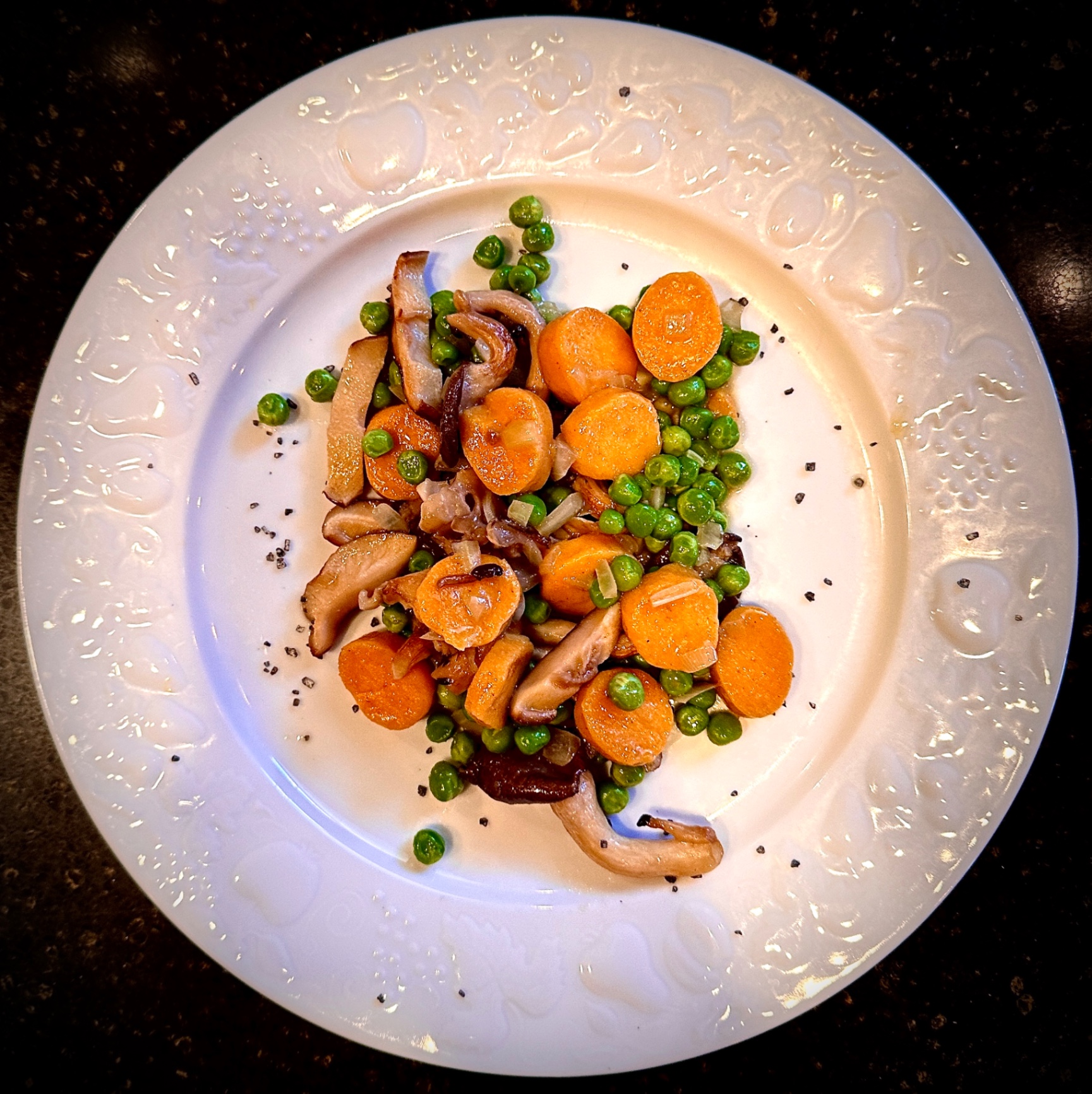
Our fall menus change based on what's actually ready to harvest. Early fall might feature fresh corn and late tomatoes alongside the first winter squash. Late fall shifts to heartier fare: roasted root vegetables, apple-stuffed pork, wild mushroom risotto that actually contains mushrooms we picked ourselves.
We're not trying to be fancy or follow food trends. We're just cooking the way people cooked when flavor mattered more than convenience, when meals connected you to the land and the seasons instead of some corporate supply chain.
That's what real farm-to-table looks like: not a marketing slogan, but a way of eating that honors the place where your food grows and the people who grow it.
Fall in the Finger Lakes isn't just a season: it's a celebration of abundance, a time to gather and preserve, and a reminder that the best flavors come from food that knows where it came from. When you taste our fall catering, you're tasting that connection, that authenticity, that respect for ingredients that grows naturally when you never forgot where food really comes from.
Comments