
Local Sourcing Secrets Revealed: What Wedding Caterers Don't Want You to Know About Sustainable Menus
- micromonycatering
- Dec 8, 2025
- 5 min read
Here's the thing most wedding caterers won't tell you upfront: local sourcing isn't just a trendy buzzword they throw around to justify higher prices. It's actually a game-changer that can save you money, give you better food, and make your wedding way more meaningful. But there's a catch – not all caterers are doing it right, and some are straight-up faking it.
Let me pull back the curtain on how this whole local sourcing thing really works, because after years in this business, I've seen it all.
The Pricing Truth Nobody Talks About
Most couples assume that "local" and "sustainable" automatically means "expensive." That's the first myth we need to bust. Here's what really happens with pricing:
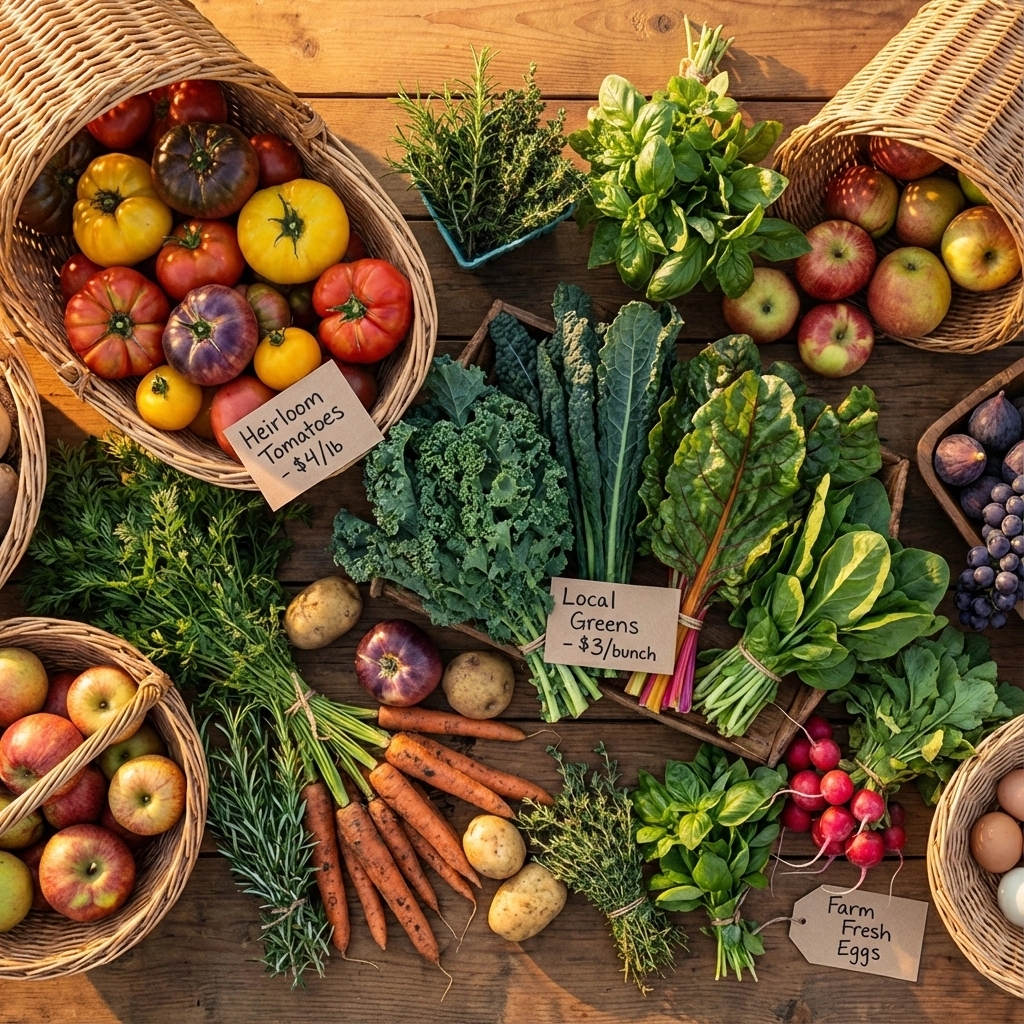
When we source locally, we're cutting out the middleman – no fancy distributors, no cross-country shipping, no warehouse markups. We're buying directly from farms within a 50-mile radius, which often means paying 20-30% less than what we'd pay through traditional food service companies.
But here's where it gets interesting: seasonal availability is both a blessing and a challenge. In summer, we can get incredible tomatoes for half the price of shipped ones. In winter? Not so much. Smart caterers (like us) build menus around what's actually available, rather than forcing out-of-season ingredients that cost a fortune and taste like cardboard.
The real kicker? We pass those savings on to you. That gnocchi dish with local sweet potatoes and seasonal greens? It's often cheaper than a standard chicken entrée because we're working with what's abundant, not what's convenient.
Behind the Scenes: How Real Local Sourcing Works
Most caterers will tell you they "source locally when possible." Translation: they'll grab some local lettuce if it's convenient, but everything else comes from their regular suppliers.
Real local sourcing is a whole different animal. It starts months before your wedding, when we're visiting farms, building relationships with growers, and planning menus around harvest schedules. We're not just buying ingredients – we're investing in a supply chain.
Here's what actually happens: Every Tuesday, I get calls from our partner farms telling me what's ready. Asparagus coming in next week? We adjust menus accordingly. Unexpected frost killed the arugula crop? We pivot to spinach. This flexibility is what separates real local sourcing from the fake stuff.
The Questions Your Caterer Hopes You Won't Ask
Want to know if your caterer is actually doing local sourcing? Ask these specific questions:
"Can you name three farms you work with and what you buy from each?" If they can't immediately rattle off names like "Johnson's Farm for root vegetables" or "Miller's for herbs," they're not really doing it.
"What happens if a key ingredient isn't available locally?" The right answer involves having backup plans and seasonal alternatives, not just defaulting to shipped ingredients.
"Can I see your supply chain documentation?" Real local sourcing means they can show you exactly where your food comes from. If they get uncomfortable or vague, that's a red flag.
"How do you handle seasonal menu changes?" Anyone can serve strawberries in June. Ask what they do in February.
The Sustainability Myths That Drive Me Crazy
Let's bust some myths that caterers love to perpetuate:
Myth 1: "All local food is automatically sustainable." Not true. A farm 10 miles away that uses massive amounts of pesticides isn't more sustainable than a responsible operation 100 miles away. Distance matters, but farming practices matter more.
Myth 2: "Sustainable menus have to be all vegetarian." Look, I love our vegan options, but sustainable doesn't mean meatless. It means thoughtful sourcing – local grass-fed beef once a week beats factory-farmed chicken every day.
Myth 3: "You can't do local sourcing for large events." This one makes me laugh. We've done 300-person weddings with 80% local ingredients. It takes more planning, sure, but it's absolutely doable.
Myth 4: "Local sourcing limits your menu options." Actually, it expands them. When you're working with seasonal ingredients, you discover combinations you never would have tried otherwise.
How We Actually Make It Happen at Micromony
Here's our playbook, and honestly, more caterers should be doing this:
We maintain relationships with 12 different farms and producers within driving distance. That sounds like a lot, but each one serves a purpose. The herb farm gives us incredible basil and thyme. The mushroom grower supplies us with varieties you can't get anywhere else. The dairy farm provides cheese that'll make you forget about imported stuff.
Planning starts 4-6 months out. We're not just planning menus – we're planning harvests. We tell our partner farms what we'll need and when, and they plan their planting accordingly. It's a true partnership.
We also keep a "Plan B" list for everything. Local tomatoes fail? We have a backup farm. Weather ruins the lettuce crop? We switch to a heartier green that's still local.
The Supply Chain Secrets
Here's what happens behind the scenes that most couples never see:
Delivery scheduling is crucial. We pick up from farms on specific days to ensure peak freshness. That means our kitchen prep schedule revolves around harvest schedules, not convenience.
Storage requirements are different. Local produce often hasn't been treated with preservatives, so it has a shorter shelf life but better flavor. We adjust our prep timelines accordingly.
Quality varies more than shipped food. Every tomato from a big distributor looks identical (and tastes like nothing). Local tomatoes have character – some are bigger, some are smaller, but they all taste amazing.
What "Fake" Local Sourcing Looks Like
Unfortunately, not everyone is honest about local sourcing. Here are the warning signs:
They can't give you specific farm names or locations
Their "local" menu looks identical in January and July
They use the same distributor for everything but call it "local sourcing"
They charge a premium for "local" without showing you where the extra cost comes from
They can't explain their supply chain or seem uncomfortable when you ask
The Real Environmental Impact
Beyond the feel-good factor, local sourcing makes a measurable difference. Our carbon footprint calculations show that locally-sourced weddings reduce transportation emissions by about 75% compared to conventional catering.
But the real impact goes beyond carbon – we're supporting local farmers, keeping money in our community, and often supporting more sustainable farming practices. When you choose a caterer who sources locally, you're voting with your dollars for a different kind of food system.
Making It Work for Your Wedding
If you want real local sourcing for your wedding, here's my advice:
Start the conversation early. Local sourcing requires more planning than conventional catering, so give your caterer time to work with farmers and build your menu.
Be flexible on specific ingredients but firm on standards. Maybe the exact variety of apple changes, but the quality and local sourcing doesn't.
Ask to visit a farm with your caterer. Any caterer doing real local sourcing will be excited to show off their relationships.
The bottom line? Local sourcing isn't a secret – it's just that not everyone wants to do the work. When it's done right, you get better food, better prices, and the satisfaction of knowing your wedding is supporting your community. When it's done wrong, you're paying extra for marketing fluff.
The choice is yours, but now you know what questions to ask.
Comments