
Inclusive Catering: Menu Planning that is Satisfying and Safe for Everyone
- micromonycatering
- Dec 7, 2025
- 4 min read
Planning inclusive menus isn't just about checking boxes: it's about making sure every guest at your event feels welcome and well-fed. With more people using GLP-1 medications (like Ozempic or Wegovy) and growing awareness of celiac disease, caterers face new challenges in creating menus that work for everyone.
The good news? You don't need separate menus for every dietary need. Smart planning can create dishes that satisfy guests managing appetite changes while keeping those with celiac disease safe: all without making anyone feel left out.
Understanding GLP-1 Guests' Needs
GLP-1 medications help people manage appetite, but they come with side effects that affect how and what people want to eat. Guests using these medications often experience:
Reduced appetite and smaller portion preferences
Sensitivity to rich, fatty foods
Slower digestion
Occasional nausea, especially with certain textures
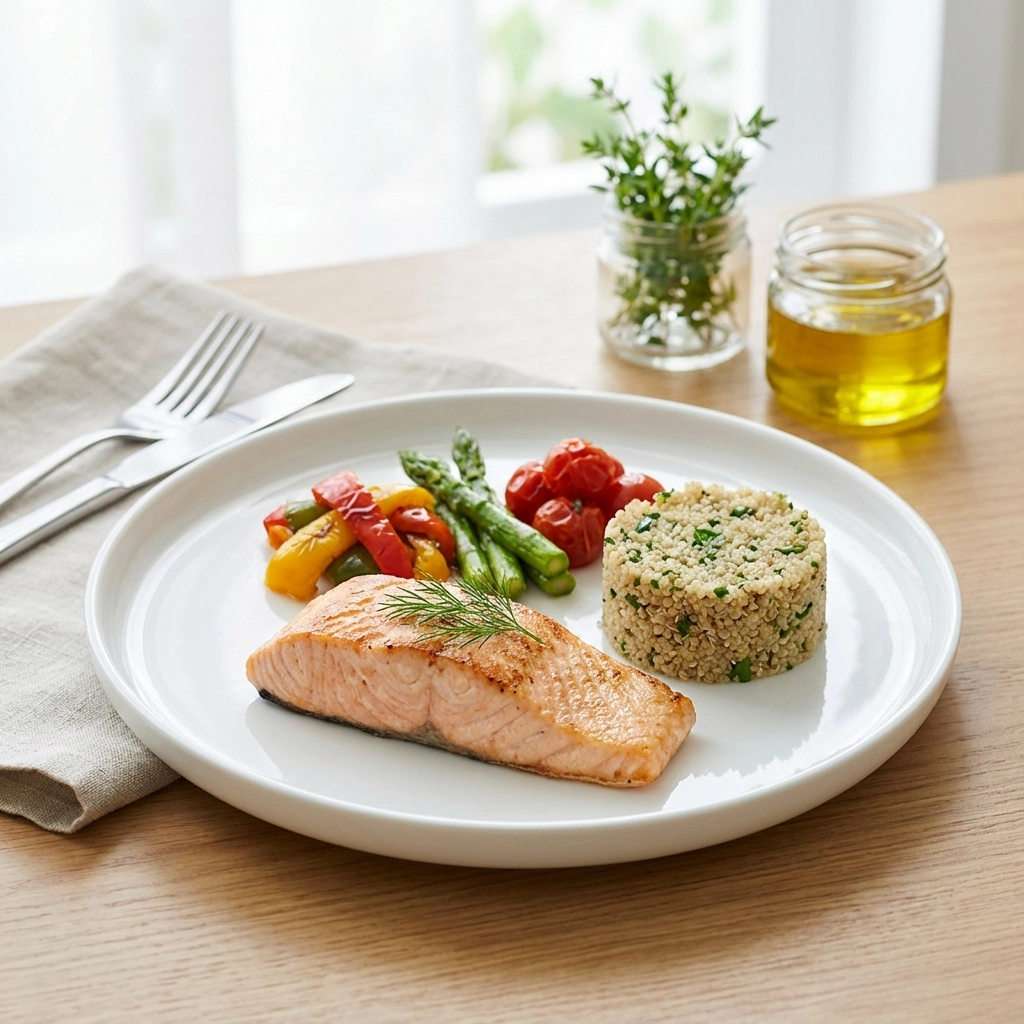
This doesn't mean these guests want bland food. They just need thoughtful portions and lighter preparations that won't overwhelm their systems. Prioritize high-protein options, low glycemic index dishes, and complex carbohydrates to provide steady energy without heaviness.
Celiac Safety: The Non-Negotiables
For guests with celiac disease, even tiny amounts of gluten can cause serious health issues. Unlike gluten sensitivity or preference, celiac disease is an autoimmune condition that requires strict avoidance.
Cross-contamination is the biggest risk. This happens when gluten-free food touches surfaces, utensils, or ingredients that have contacted gluten. A "gluten-free" pasta dish becomes dangerous if it's prepared in the same water used for regular pasta.
Key celiac safety rules:
Separate preparation areas and utensils
Clear ingredient labeling
Staff training on cross-contamination prevention
Dedicated serving utensils for gluten-free items
Micromony Catering Highlights
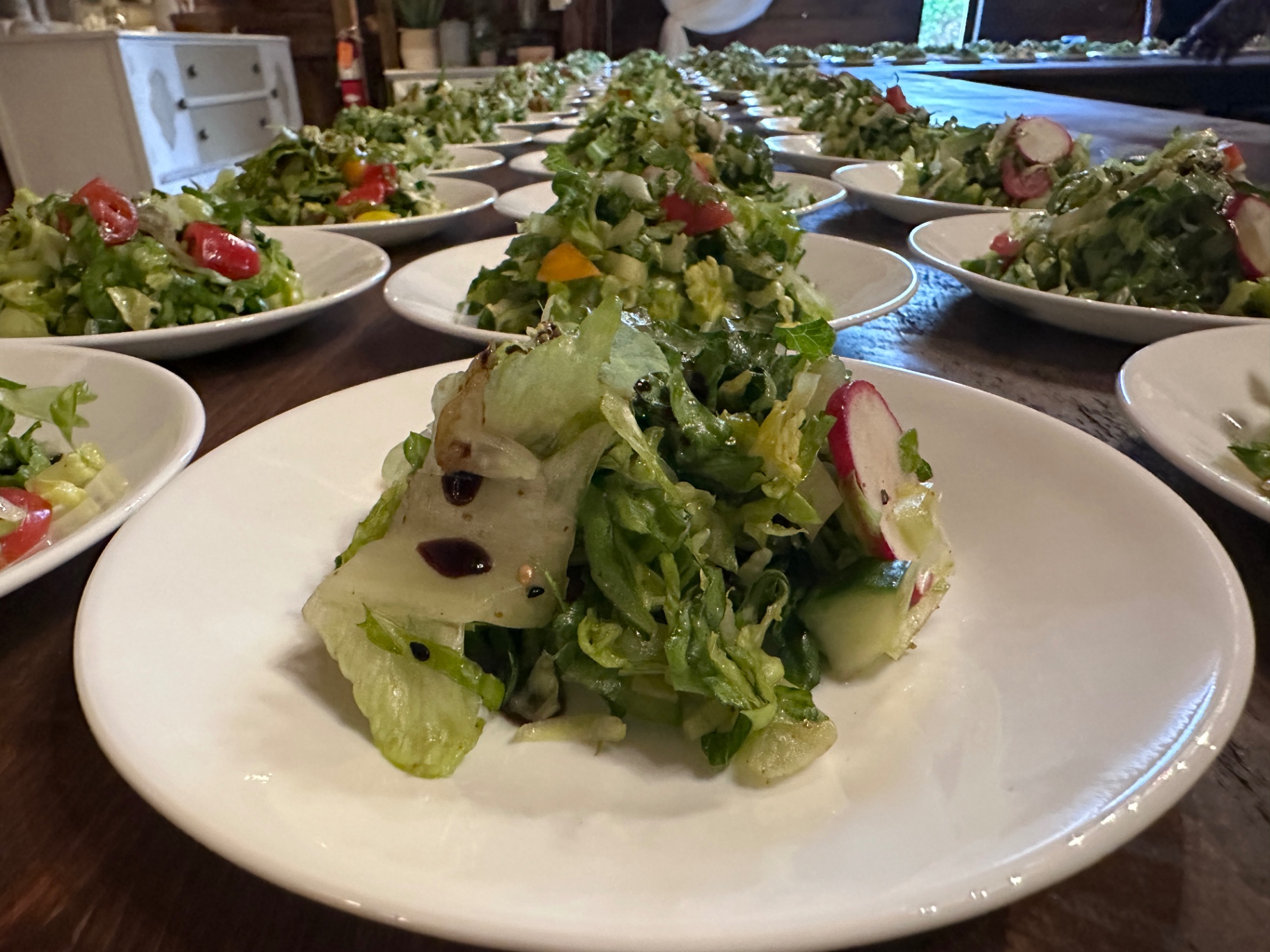
At Micromony Catering, inclusivity is built into our menu design — not bolted on later.
Our main menu is entirely gluten-free by default, with the only exceptions being our pasta and make-your-own-sandwich stations.
Most main dishes are dairy-free, and the majority of sides are vegan to cover common dietary concerns.
We follow rigorous cross-contamination prevention protocols (separate prep zones, dedicated utensils, labeled service ware) so guests with celiac disease can dine with confidence.
Menu Planning That Works for Both
The sweet spot is creating dishes that naturally accommodate both needs. Here's how:
Start with Naturally Gluten-Free Proteins
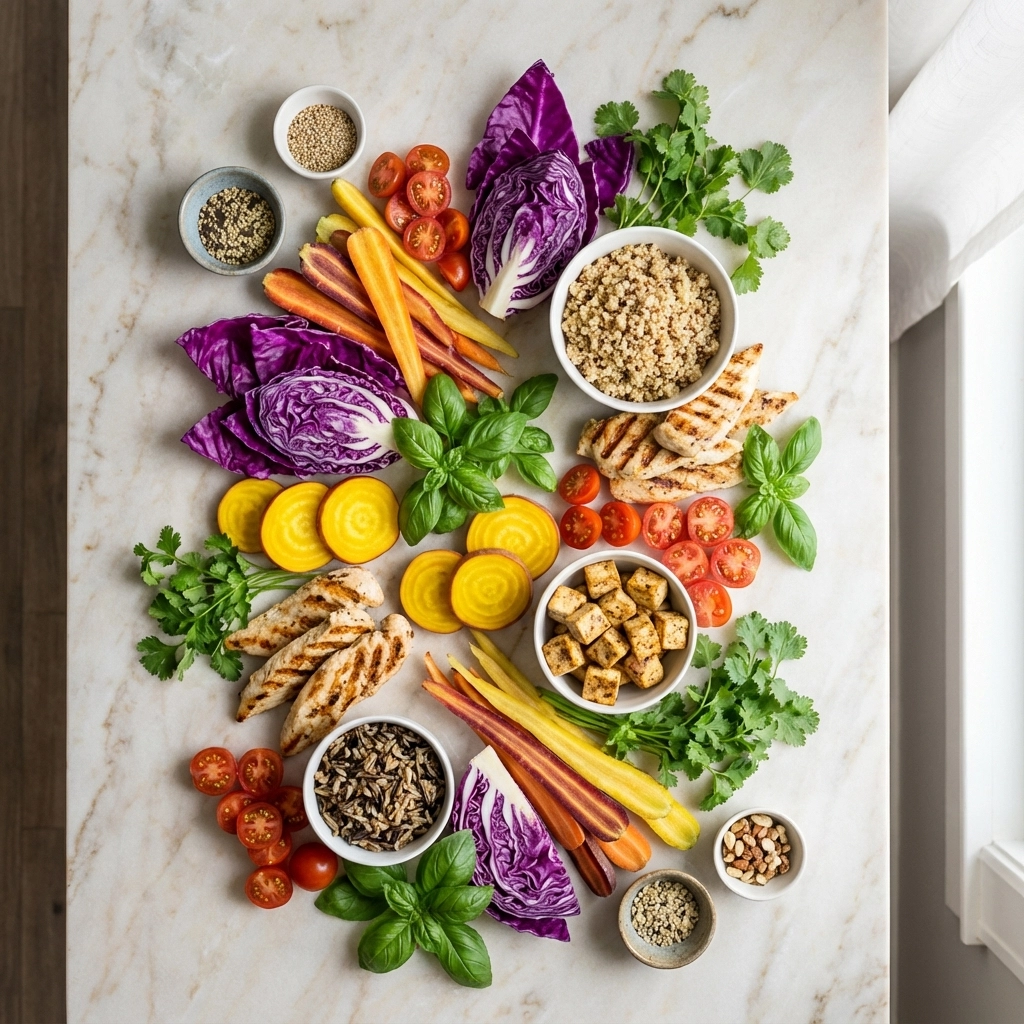
Build your menu around higher-protein, naturally gluten-free options that are easy to digest. Grilled chicken, fish, tofu, eggs, and legumes work well for both dietary considerations. These proteins form a solid foundation, are satisfying in smaller portions, and don't require heavy sauces that might upset sensitive stomachs.
Choose Smart, Low-Glycemic Carbohydrates (Complex Carbs)
Instead of defaulting to wheat-based sides, feature complex, low glycemic index carbohydrates such as:
Quinoa and brown rice dishes - filling but light and lower-GI than refined grains
Roasted sweet potatoes - naturally sweet, fiber-rich, and easy to digest
Lentil or bean salads - hearty, protein-boosting complex carbs
Cauliflower preparations - versatile and low-impact
These alternatives often taste better anyway and don't leave guests feeling like they're missing out.
Focus on Fresh, Simple Preparations
Both GLP-1 users and celiac guests benefit from clean, fresh flavors. Avoid heavy cream sauces and complicated preparations that might contain hidden gluten or cause digestive issues.
Practical Implementation Strategies
Portion Control Without Portion Shame
GLP-1 guests benefit from smaller portions for appetite management and more mindful dining, but nobody wants to feel singled out. Here's how to handle this gracefully:
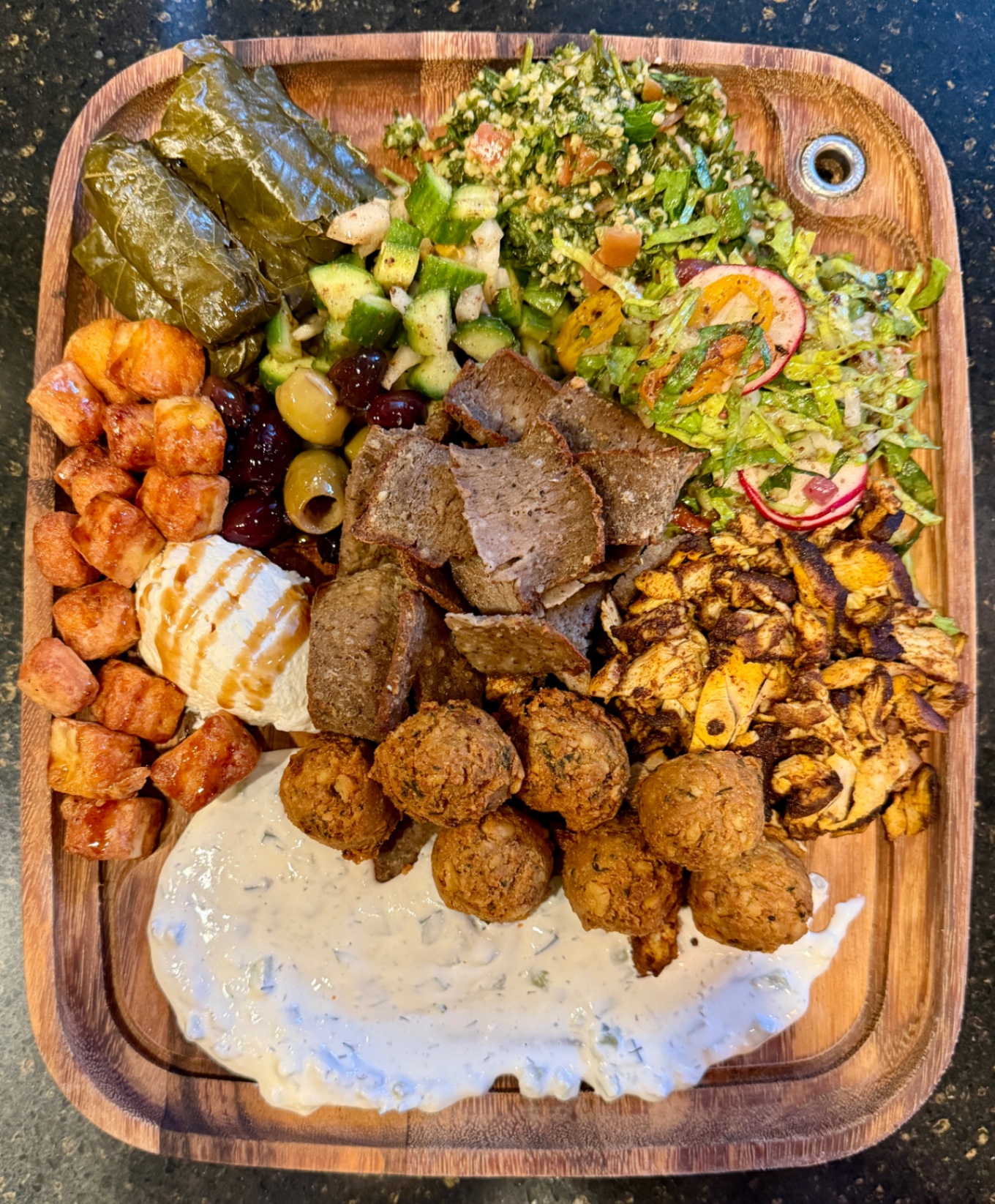
Buffet-style service lets guests control their own portions naturally. Offer small plates alongside regular ones: many guests prefer smaller portions regardless of medication use.
Family-style serving for seated events works well too. Guests can take what they want without anyone noticing portion sizes.
Safe Buffet Setup
When serving buffets with both regular and gluten-free options:
Place gluten-free items first in the line
Use separate serving utensils for every dish
Create physical separation between gluten-containing and gluten-free foods
Label everything clearly
Communication is Key
Ask about dietary needs during the RSVP process, but keep it simple. A checkbox for "gluten-free required" and a text box for "other dietary considerations" catches most needs without overwhelming guests.
Making It Delicious for Everyone
The biggest challenge is creating food that doesn't taste like "diet food" or "special accommodations." Here are strategies that work:
Enhance Natural Flavors
Use herbs, spices, and citrus to add brightness without heavy sauces. A lemon-herb grilled chicken tastes fresh and light while being naturally gluten-free and easy to digest.
Embrace Global Cuisines
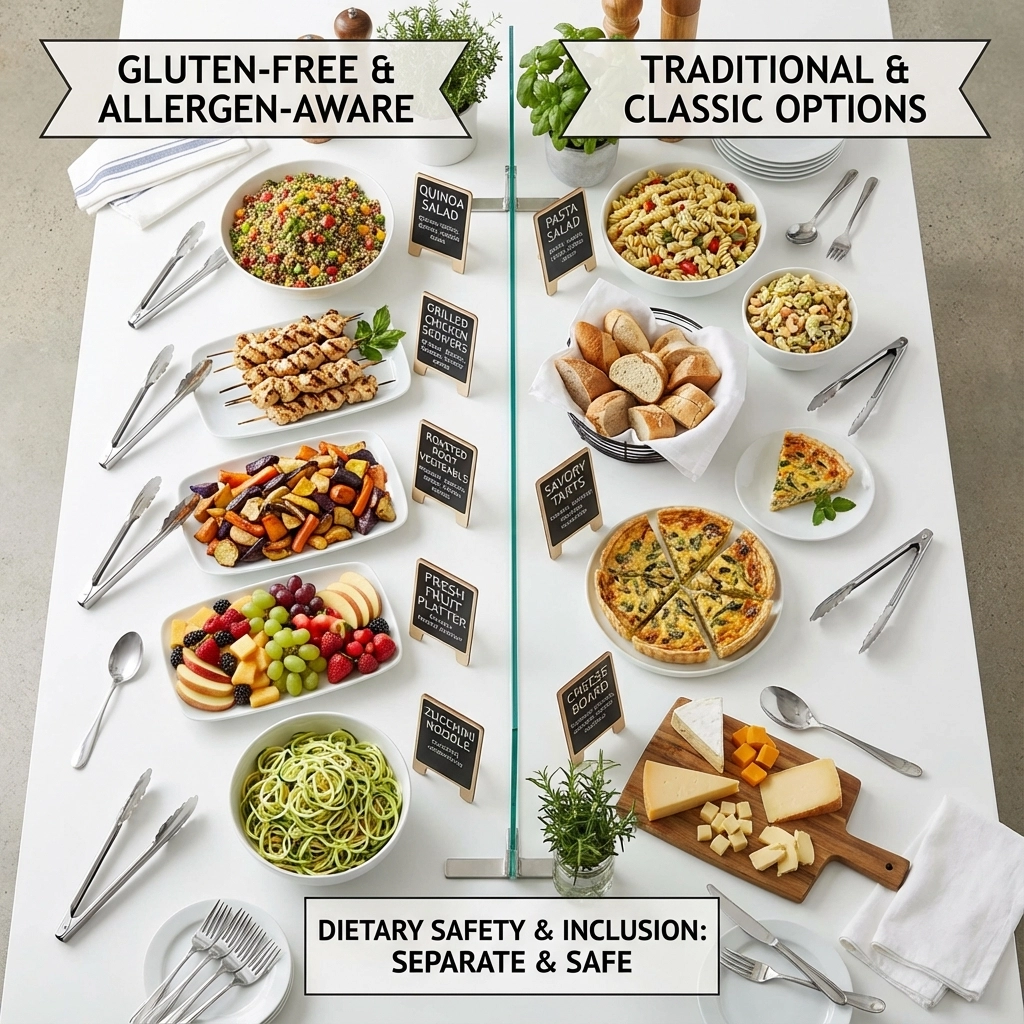
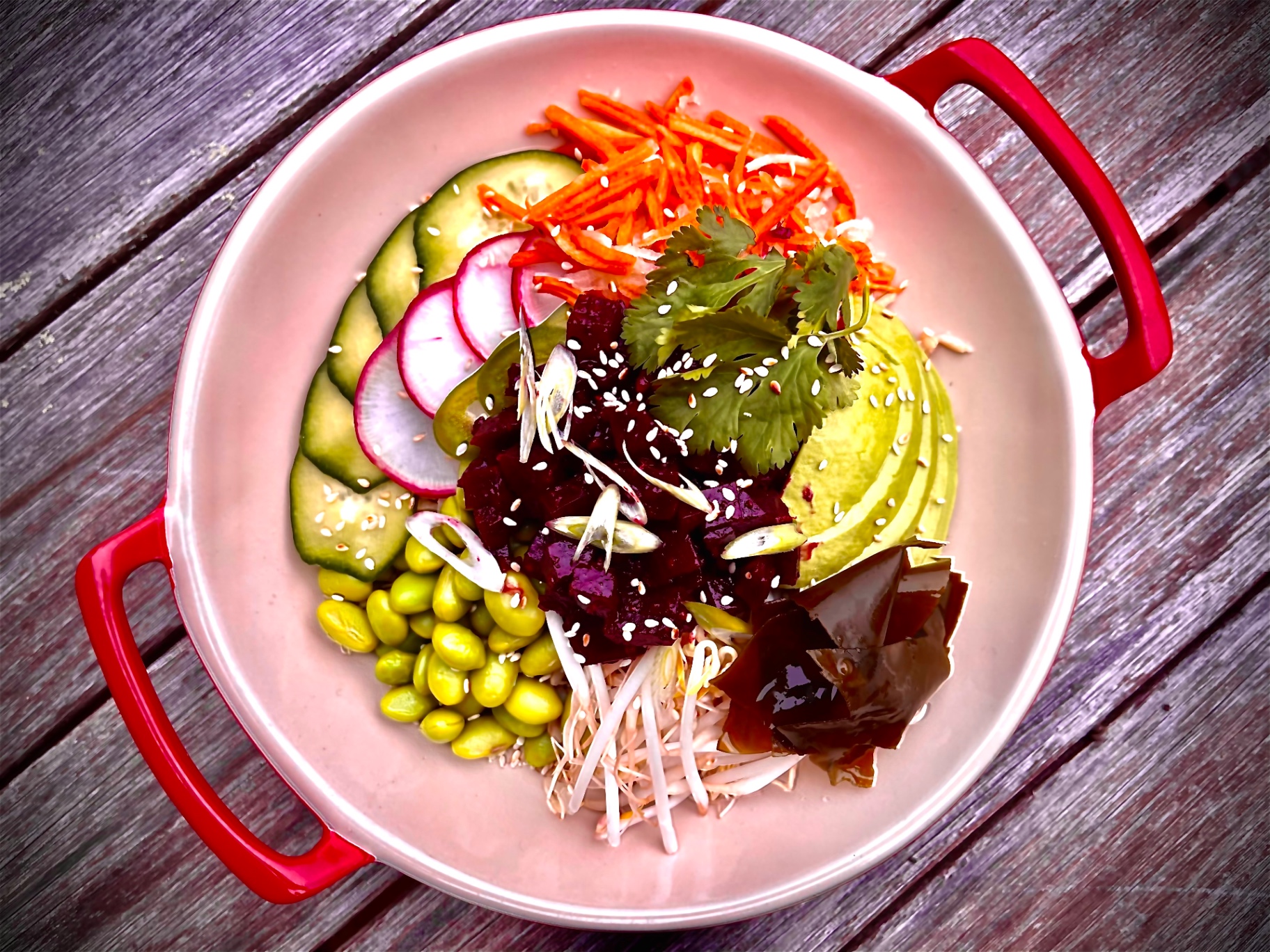
Many international dishes are naturally inclusive. Mediterranean mezze, Asian stir-fries with rice noodles, and Mexican dishes with corn tortillas often work for multiple dietary needs simultaneously.
Create Satisfying Substitutions
Instead of making guests feel like they're missing out, offer alternatives that might actually be better:
Zucchini noodles or rice noodles instead of wheat pasta
Coconut flour or almond flour baked goods
Cauliflower rice for lighter, flavorful grain bowls
Special Considerations for Different Events
Corporate Events
Business lunches need to be energizing without being overwhelming. Focus on protein-rich salads, grain bowls, and light soups that won't cause afternoon energy crashes.
Wedding Receptions
Weddings call for celebratory food that photographs well. Colorful vegetable displays, elegant protein preparations, and beautiful fruit desserts can satisfy all guests while looking Instagram-worthy.
Holiday Parties
Traditional holiday foods often contain gluten, but creative substitutions can maintain the festive feeling. Gluten-free stuffing, alternative flour desserts, and naturally gluten-free side dishes keep the celebration inclusive.
Working with Your Catering Team
Success depends on clear communication with your catering team. Make sure they understand:
The difference between preference and medical necessity
Proper cross-contamination prevention
How to modify recipes without losing flavor
The importance of accurate labeling
Ask specific questions about their gluten-free protocols. A reputable caterer should have clear procedures and be able to explain their prevention methods.
The Bottom Line
Creating inclusive menus doesn't mean sacrificing taste or variety. When done right, accommodating GLP-1 guests and ensuring celiac safety often leads to fresher, more thoughtful food that everyone enjoys.
The key is planning ahead, communicating clearly, and focusing on naturally accommodating ingredients rather than trying to retrofit existing menus. Your guests will appreciate the thoughtfulness, and you'll discover that inclusive catering often means simply better catering.
Remember: the goal isn't just feeding people: it's making sure everyone at your event feels cared for and included. When guests don't have to worry about what they can eat, they can focus on enjoying the celebration.
Comments