
Deconstructed Weddings: How Gen Z is Ditching Seated Meals and Altering the Timeline
- micromonycatering
- Dec 8, 2025
- 5 min read
Gen Z couples are throwing out the wedding rulebook, and honestly, it's about time. Gone are the days of assigned seating charts, three-course plated dinners, and rigid timelines that feel more like corporate events than celebrations. Instead, this generation is creating something completely different: weddings that feel more like festivals, dinner parties, and weekend getaways all rolled into one.
If you're planning a wedding and feeling overwhelmed by traditional expectations, you're not alone. Gen Z couples are proving that there's a better way to celebrate, one that prioritizes connection, flexibility, and authentic experiences over stuffy formality.
Why Seated Dinners Are Getting the Boot
The traditional wedding reception formula: cocktail hour, seated dinner, speeches, cake cutting: feels increasingly outdated to couples who want their guests to actually enjoy themselves. Think about it: when was the last time you had fun at a dinner party where you couldn't move from your assigned seat for three hours?
Gen Z couples are rejecting this format because it doesn't match how they actually socialize. They want their guests mingling, moving around, and creating genuine moments together. The old model treats guests like an audience watching a performance, but younger couples want everyone to be part of the experience.
Instead of forcing Uncle Mike to make awkward small talk with your college roommate for an entire evening, these couples are creating spaces where people can naturally find their tribes and connect over shared interests: whether that's the dessert station, the cocktail bar, or the photo booth.
Enter the Grazing Revolution
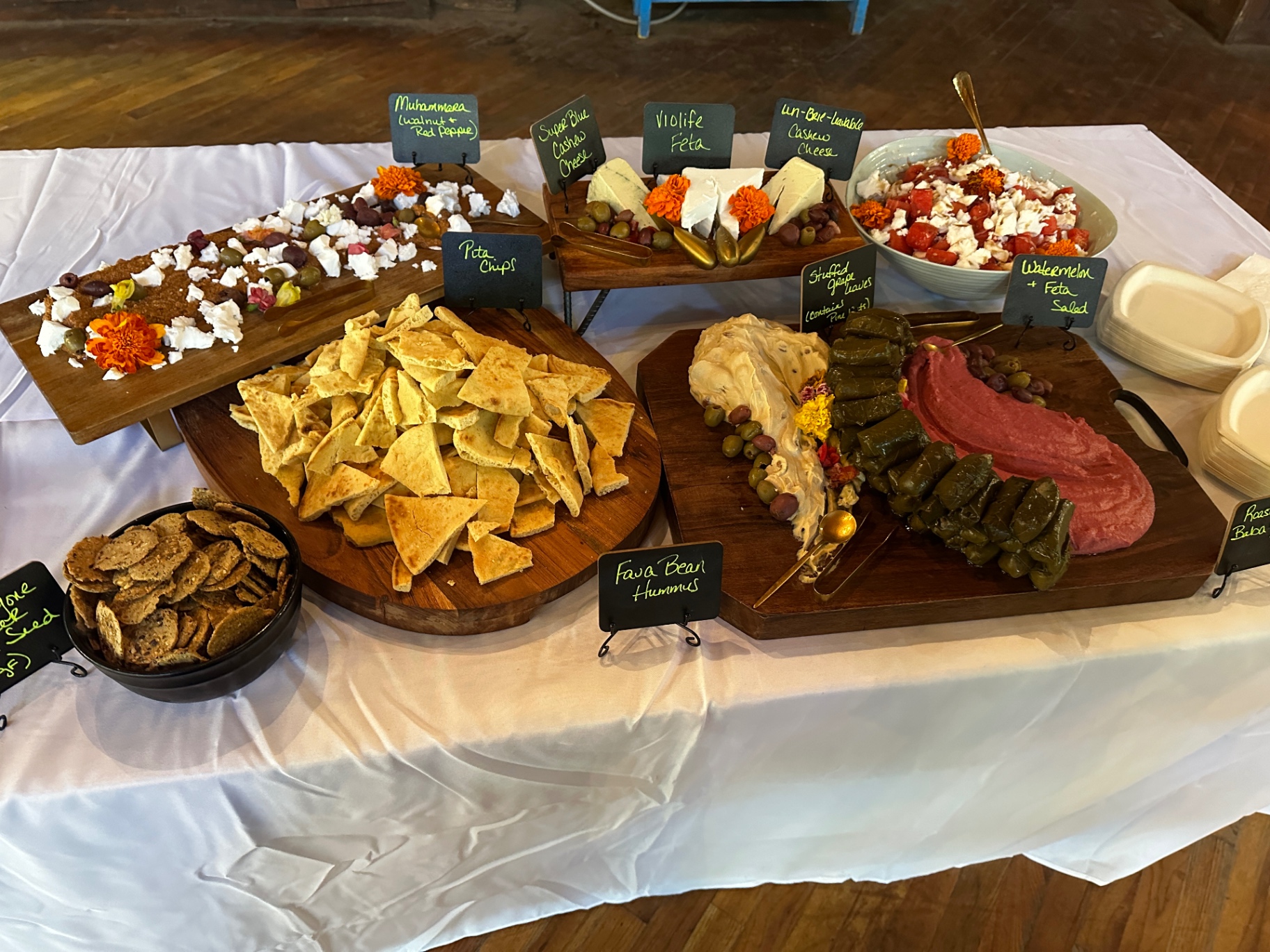
So what's replacing the traditional seated dinner? Grazing tables, food stations, and interactive dining experiences that encourage movement and conversation. These setups aren't just Instagram-worthy (though they definitely are): they're designed to create a more relaxed, social atmosphere.
Grazing tables loaded with artisanal cheeses, charcuterie, fresh fruits, and Mediterranean spreads give guests the freedom to eat when they want, what they want, and where they want. Food stations featuring build-your-own tacos, ramen bars, or pasta stations add an element of fun and customization that seated dinners simply can't match.
The beauty of this approach is that it accommodates different eating styles and dietary needs without the stress of pre-selecting entrées months in advance. Vegan guests can load up on hummus and fresh vegetables, while meat-lovers can build epic charcuterie boards. Everyone wins.
Timeline Flexibility: The New Wedding Flow
Traditional weddings follow a predictable schedule: ceremony at 4 PM, cocktails at 5 PM, dinner at 6:30 PM, dancing at 8 PM, send-off at 11 PM. Gen Z couples are throwing this rigid timeline out the window in favor of more organic, flexible experiences.
Many are opting for "wedding weekends" rather than single-day events. Picture this: welcome drinks on Friday evening, a casual brunch on Saturday morning, the ceremony in late afternoon, followed by an evening that flows naturally from cocktails to dinner to late-night celebrations without strict time constraints.
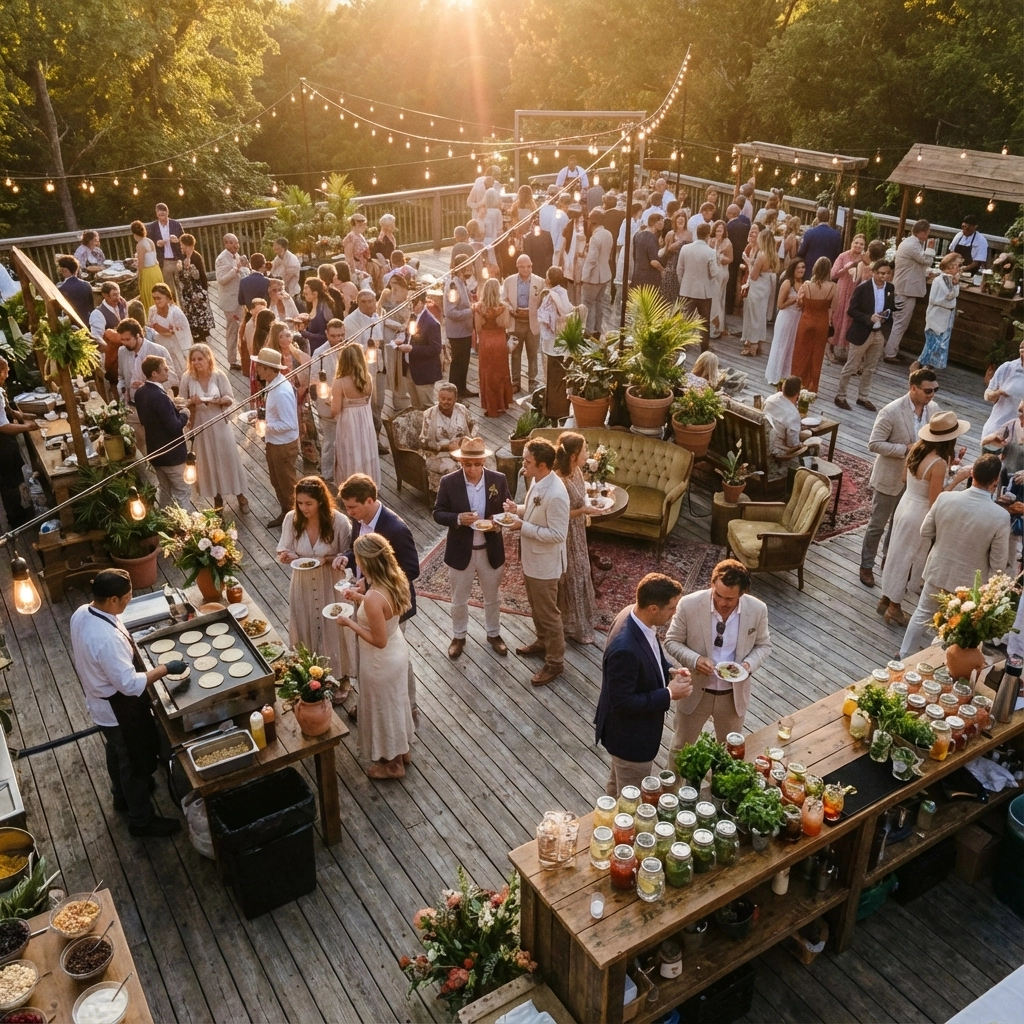
Others are embracing the "all-day celebration" concept: starting with a morning ceremony and brunch, transitioning to afternoon activities and snacks, and ending with an evening party. This approach feels more like a festival than a formal event, giving guests multiple entry and exit points based on their schedules and energy levels.
Multiple Mini Celebrations
Instead of one big reception, Gen Z couples are creating multiple smaller celebration moments throughout their wedding day or weekend. This might include:
Morning coffee and pastry stations for early risers
Afternoon tea or cocktail hours with lighter bites
Sunset ceremony followed by immediate dancing and drinks
Late-night food trucks or dessert bars for the party crowd
Next-day recovery brunch with comfort food and mimosas
This approach acknowledges that different guests want to celebrate in different ways. Grandparents might prefer the morning coffee gathering, while college friends are all about the late-night dance party. Everyone gets their moment without being forced through activities that don't suit their style.
The Art of Casual Elegance
The shift away from seated dinners doesn't mean Gen Z couples aren't interested in beautiful, well-planned events. They're just redefining what elegance looks like. Think family-style sharing platters, beautifully arranged food stations, and dessert displays that double as art installations.
This generation values experiences over appearances, but they still want their celebrations to look amazing. The difference is that the beauty comes from abundance, variety, and thoughtful presentation rather than formal place settings and rigid protocols.
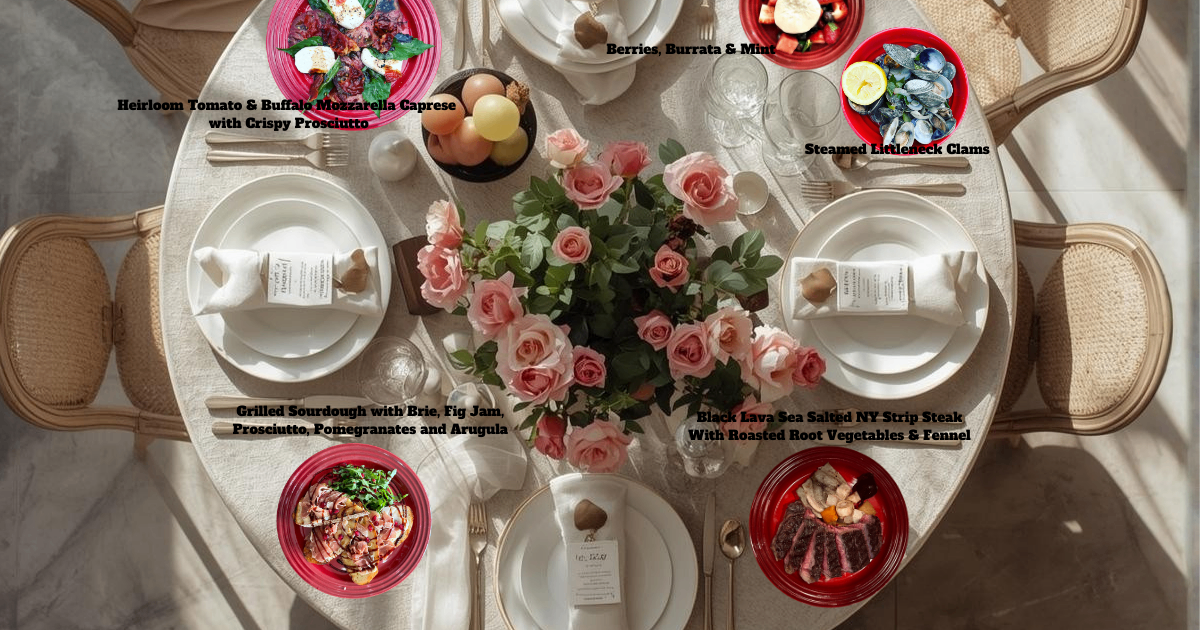
Family-style service, where large platters are placed on tables for guests to share, offers a middle ground between formal plated dinners and completely casual buffets. It encourages conversation and connection while maintaining a sense of occasion.
Interactive Food Experiences
Gen Z couples love interactive elements that get guests involved in the celebration. This might include:
DIY cocktail stations where guests can craft their own signature drinks
Live cooking demonstrations with chefs preparing dishes to order
Build-your-own dessert bars with toppings and customization options
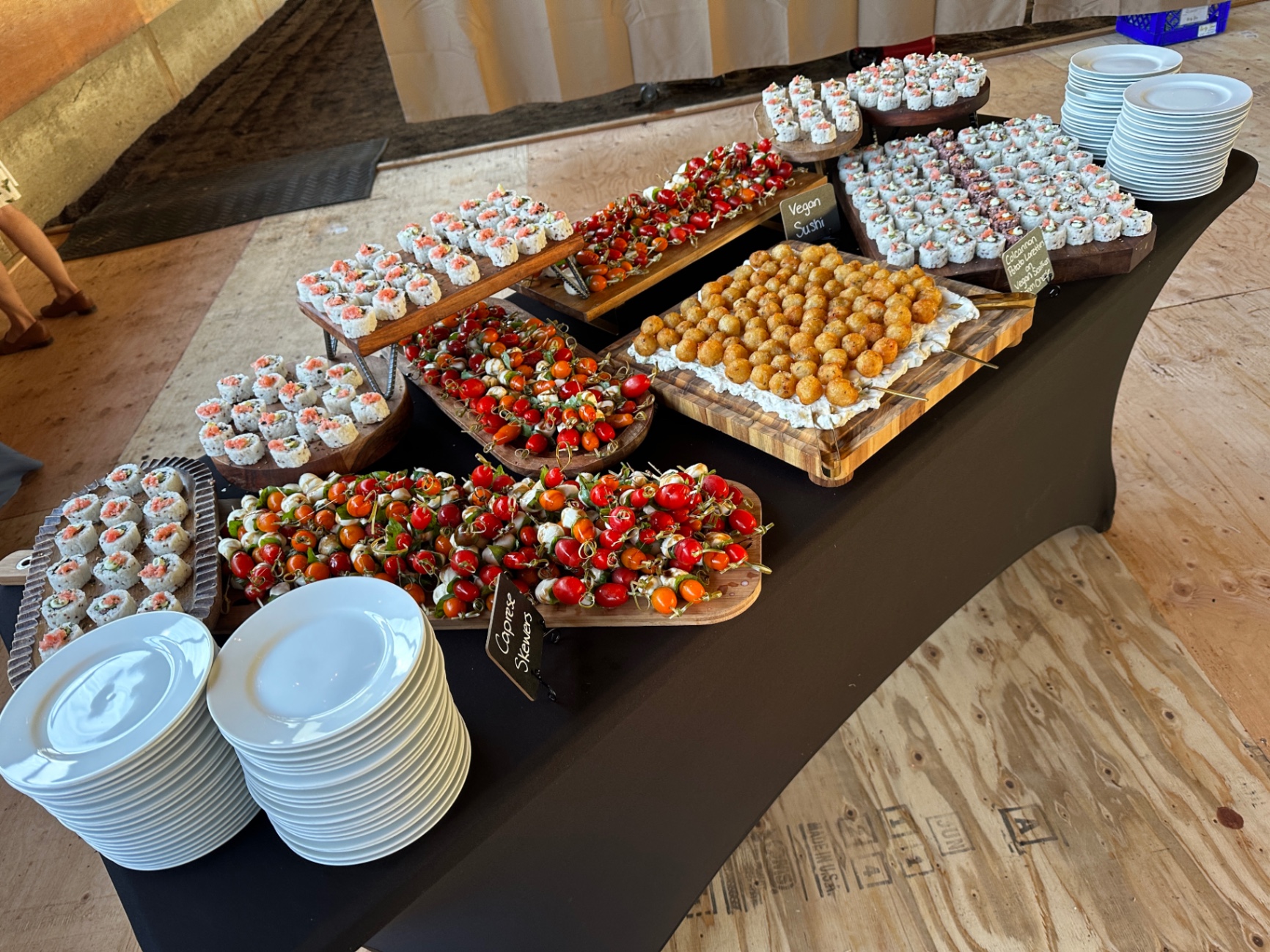
Cultural food experiences like hand-roll sushi stations or made-to-order crepe bars
Local food trucks offering regional specialties
These interactive elements serve multiple purposes: they provide entertainment, create conversation starters, and ensure that there's always something happening throughout the celebration. Guests never feel like they're waiting around for the next scheduled activity.
Planning for the Flow
Successfully executing a deconstructed wedding requires careful planning, even though the end result feels effortless. The key is creating natural flow patterns that guide guests through different spaces and experiences without making them feel rushed or lost.
This might mean setting up different zones throughout your venue: a cocktail area with high tables and appetizers, a lounge space with comfortable seating and desserts, a dance floor with a late-night snack station, and outdoor spaces for quieter conversations.
Clear signage and strategic placement of food and drink stations help guests understand how to navigate the celebration. The goal is to create an environment where people feel comfortable exploring while always having somewhere to land.
What This Means for Modern Catering
As a catering company, we're seeing these trends firsthand. Couples are asking for more flexibility, more variety, and more interactive elements than ever before. They want caterers who understand that feeding people isn't just about the food: it's about creating moments and facilitating connections.
This shift requires different logistics, different presentation styles, and different timing than traditional catering. But the results are worth it: guests who are more engaged, celebrations that feel more authentic, and couples who actually get to enjoy their own wedding day instead of being stuck at a head table watching everyone else have fun.
The deconstructed wedding movement isn't just about being different: it's about creating celebrations that reflect how people actually want to spend time together. And honestly, that's something we can all get behind.
Comments