
7 Mistakes You're Making with Sustainable Event Catering (and How to Fix Them)
- micromonycatering
- Dec 2, 2025
- 6 min read
Planning a sustainable event sounds straightforward – choose organic food, use biodegradable plates, and call it a day, right? Unfortunately, it's not that simple. Many event planners think they're making eco-friendly choices, but common mistakes can undermine even the best sustainability intentions.
The good news? Most of these mistakes are easy to fix once you know what to look for. Let's dive into the seven biggest sustainable catering mistakes and how to avoid them.
Mistake #1: Falling for Greenwashing Instead of Real Action
The Problem Lots of caterers throw around buzzwords like "sustainable," "farm-to-table," and "eco-friendly" without backing them up with real practices. It's become so common that many clients can't tell the difference between genuine sustainability efforts and clever marketing.
You might see menus featuring "locally sourced" ingredients that actually traveled hundreds of miles, or "organic" options that make up just 10% of the meal. Some caterers even use terms like "natural" and "artisanal" to make regular food sound more sustainable.
How to Fix It Ask your caterer for specifics. Instead of accepting vague promises, request detailed information about their sourcing practices, waste reduction methods, and environmental certifications. A truly sustainable caterer should be able to tell you exactly where their ingredients come from, how they handle food waste, and what steps they take to reduce their carbon footprint.
Look for third-party certifications like USDA Organic, Fair Trade, or B-Corp status. These require verification from independent organizations, not just self-reported claims.
Here at Micromony We source mostly from CP Foods, a local family owned company that prides itself on local first relationships. We also utilize a local cooperative that sources from smaller farms and delivers weekly.
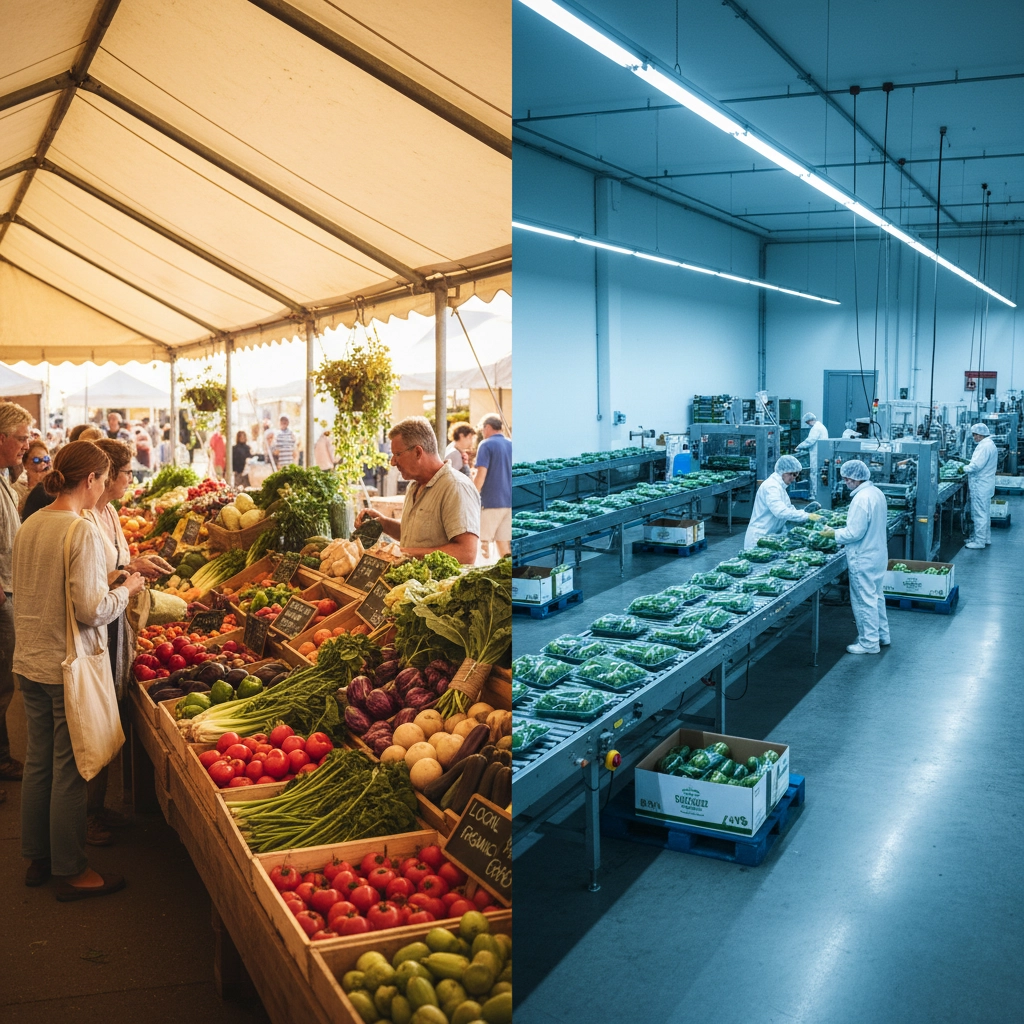
Mistake #2: Ignoring What Happens Behind the Scenes
The Problem Most people focus on what guests see – the plates, utensils, and presentation – while ignoring the environmental impact of everything that happens behind the scenes. The biggest environmental costs often occur during food transportation, storage, and prep work that guests never witness.
For example, your caterer might serve food on compostable plates while using mountains of plastic wrap, aluminum foil, and disposable containers in the kitchen. Or they might source "local" vegetables that were actually shipped from across the country to a local distributor first.
How to Fix It Ask about the entire supply chain, not just the final presentation. Request information about:
How ingredients are transported and stored
What packaging materials are used during prep
How leftover food and scraps are handled
What cleaning products and methods are used
Include sustainability requirements in your catering contract that cover behind-the-scenes operations, not just what guests experience.
Here at Micromony You may notice that we come with our items in plastic quart containers. We have found these to be the most useful options for transport but we do not dispose of them we continuously use them until not practical. One of our biggest pet peeves of the food industry is the use of rubber gloves. We use biodegradable nitrile gloves that breakdown in 1-3 years, as opposed to 100+. For disposable ware we utilize sugarcane, palm leaf and corn plastics that not only biodegrade quickly but also help sustain renewable producing farms.
Mistake #3: Choosing Convenience Over Local Partnerships
The Problem Many caterers default to large food distributors because they're convenient, reliable, and cheap. While this approach might save time and money, it often means your "locally sourced" ingredients actually traveled long distances through multiple distribution centers before reaching your event.
Even worse, some caterers cherry-pick a few local ingredients for marketing purposes while sourcing the majority of their menu from industrial suppliers. This creates the appearance of local sourcing without the environmental benefits.
How to Fix It Work with caterers who have established relationships with local farmers, producers, and artisans. These partnerships take time to develop, so look for caterers who can name specific farms and suppliers they work with regularly.

Ask to see invoices or delivery receipts that show where ingredients actually come from. A caterer with genuine local partnerships will be proud to share this information and might even invite you to visit their suppliers.
Mistake #4: Overlooking Hidden Packaging Waste
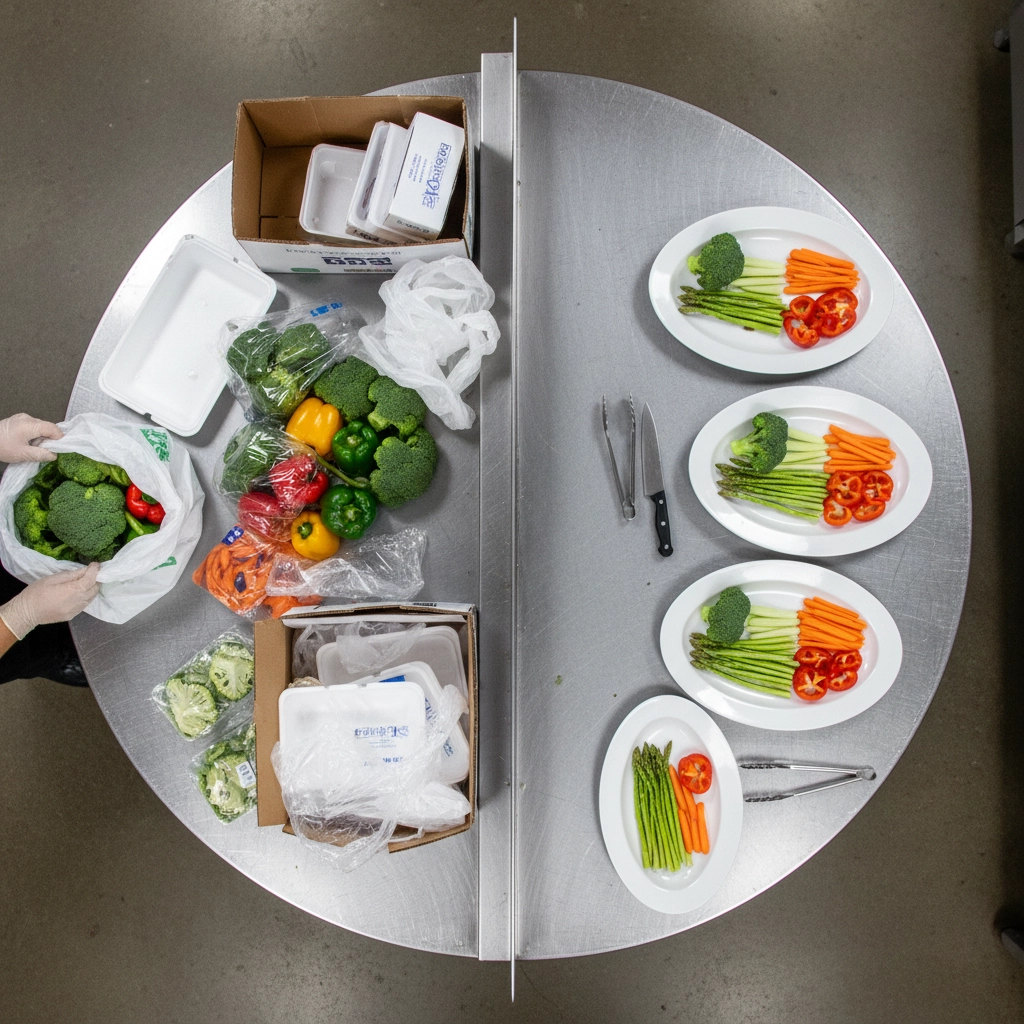
The Problem While you're busy choosing compostable serving ware, massive amounts of packaging waste might be piling up in the kitchen. Professional kitchens often receive ingredients wrapped in layers of plastic, styrofoam, and other non-recyclable materials that never make it into sustainability reports.
Restaurant-grade suppliers frequently package items in bulk containers, individual plastic bags, and protective wrapping that's designed for durability during transport, not environmental friendliness. This hidden waste can easily outweigh the environmental benefits of sustainable serving materials.
How to Fix It Discuss packaging requirements with your caterer before finalizing the menu. Ask them to work with suppliers who use minimal packaging or provide reusable containers for deliveries.
Some progressive caterers participate in container return programs where suppliers pick up and reuse packaging materials. Others work directly with farmers who can deliver produce in reusable crates instead of disposable packaging.
Mistake #5: Serving Resource-Heavy Menus
The Problem Food choices have a massive impact on environmental sustainability, but many event planners don't consider the carbon footprint of their menu items. Beef, lamb, and dairy products require significantly more water, land, and energy to produce compared to plant-based alternatives.
A single serving of beef can have a carbon footprint 10-20 times larger than plant-based proteins like beans or lentils. Yet many "sustainable" events still center their menus around meat-heavy dishes without considering these impacts.
How to Fix It Design menus that emphasize plant-based proteins and seasonal vegetables. You don't need to go completely vegetarian, but reducing meat portions and offering delicious plant-based options can dramatically lower your event's environmental impact.
Here at Micromony We have one of the most vegan heavy menus we have seen. As the former owner of a fully plant based restaurant, we pride ourselves in having approachable vegan options that wow even the most skeptical.
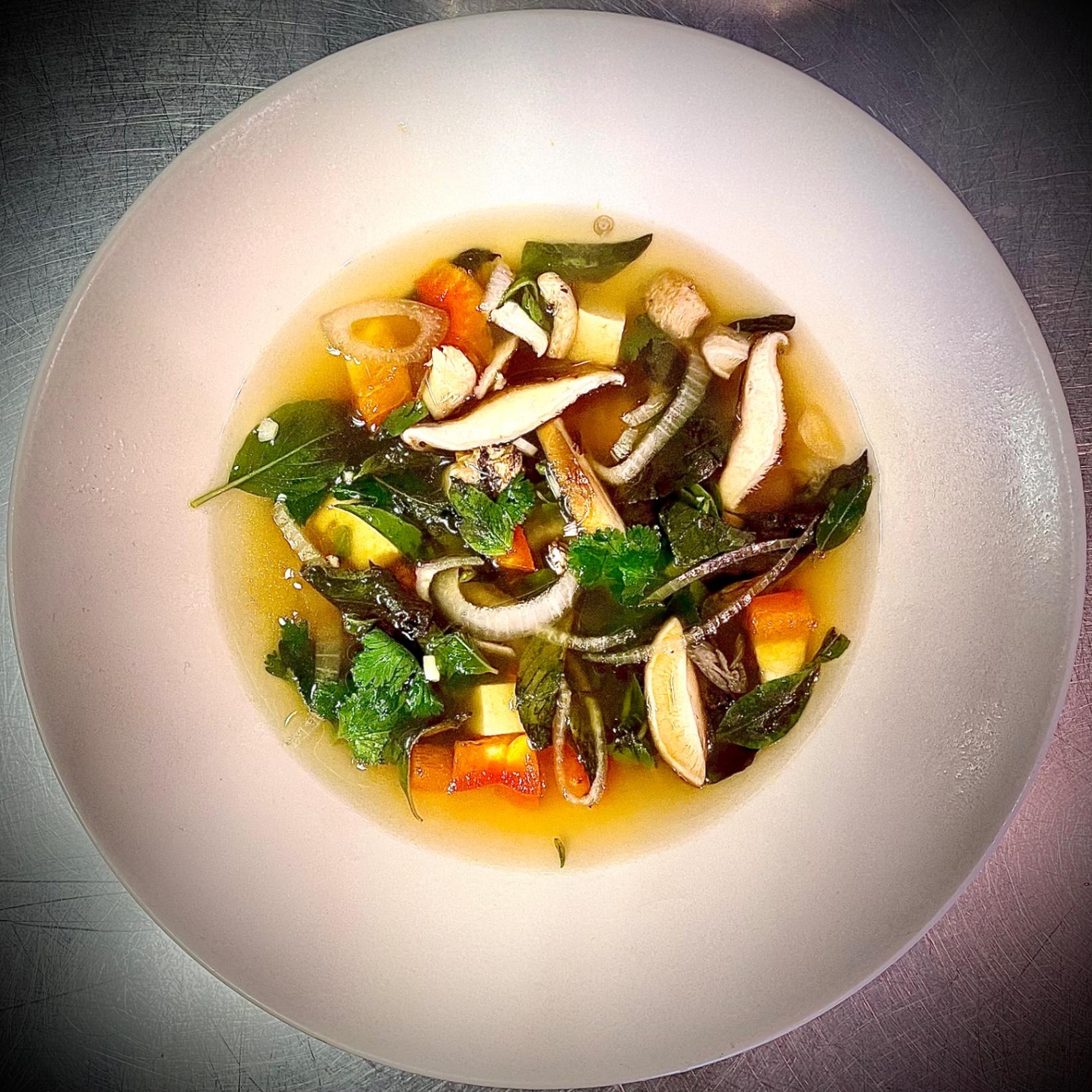
Consider serving smaller portions of high-quality, sustainably raised meat alongside larger portions of seasonal vegetables and grains. This approach often tastes better and costs less while being much better for the environment.
Mistake #6: Forgetting About Food Waste Prevention
The Problem Food waste is one of the largest environmental challenges in catering, yet many planners focus on disposal methods instead of waste prevention. Composting leftover food is better than throwing it away, but preventing food waste in the first place is much more effective.
Overordering is incredibly common in event planning because nobody wants to run out of food. However, this safety-first mentality often results in 20-30% more food than needed, most of which gets thrown away after the event.
How to Fix It Use accurate guest counts and dietary preference surveys to plan portions more precisely. Work with caterers who have experience managing food quantities for different types of events and can provide realistic portion recommendations.
Here at Micromony We believe in transparency. No one is served (pun intended) by over production. We will honestly tell you how many options you need and portion sizing (this is written in to our contract; which can be found on the homepage for review). We do not believe that cocktail hour needs to be an endless supply of options when the guest then sit down for a full meal; cocktail hour is the most wasteful spend of traditional catering, in our opinion, creating large quantities of excess that have no carryover shelf life. We will lead you to selecting the proper quantities needed.
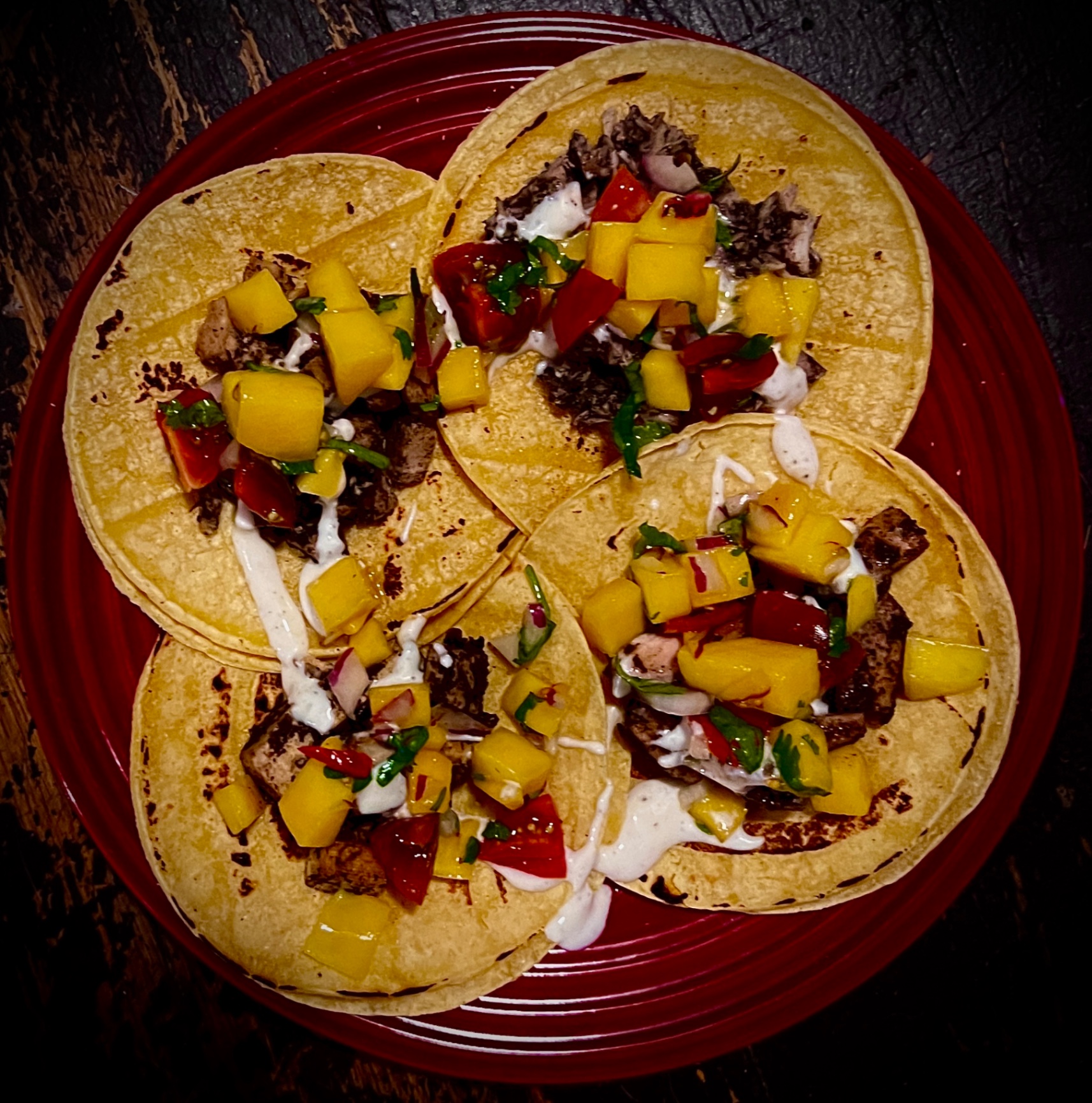
Plan ahead for leftover food by arranging donation to local food banks or organizing take-home containers for guests. Some caterers specialize in zero-waste events and can help you minimize food waste through careful planning and creative leftover management.
Mistake #7: Using Single-Use Everything
The Problem Disposable plates, cups, and utensils might seem more convenient, but they create enormous amounts of waste that often can't be recycled or composted effectively. Even "biodegradable" disposables can take months or years to break down and often require specific composting conditions that aren't available at most events.
Single-use items also send the wrong message to guests about your commitment to sustainability. When people see disposable materials, they're more likely to treat the entire event as disposable, leading to more waste in other areas.
How to Fix It Rent real dishes, glassware, and silverware whenever possible. Most catering companies can provide reusable options that look more elegant and create a better dining experience for guests.

If you must use disposables, choose options made from rapidly renewable materials like bamboo or palm leaves. Provide clearly marked compost and recycling bins, and consider hiring staff to help guests sort waste properly.
Here at Micromony We have our own place settings available for rent, at a fraction of the cost of rental companies. This allows you to remove excess vendors and time in seeking out items, as well as reducing the carbon footprint of additional truck on the road for deliveries.
Making It All Work Together
Sustainable event catering isn't about perfection – it's about making thoughtful choices that reduce environmental impact while creating a great experience for your guests. Start with one or two changes that feel manageable, then build on your success over time.
The most effective approach combines several strategies: working with caterers who have genuine sustainability practices, choosing menus that emphasize local and plant-based ingredients, minimizing packaging waste, and preventing food waste through careful planning.
Remember that your choices influence your guests and vendors too. When people see genuine sustainability efforts, they're more likely to adopt similar practices in their own events and daily lives. Your sustainable catering choices can create positive ripple effects that extend far beyond your event.
By avoiding these seven common mistakes, you'll create events that are better for the environment, often more cost-effective, and usually more delicious too. That's what we call a win-win-win situation.
Comments