
What is in Season: Spring Ingredients; Finger Lakes Farm-to-Table Style
- micromonycatering
- Dec 18, 2025
- 6 min read
Updated: Dec 19, 2025
Spring in the Finger Lakes isn't just about the return of warm weather: it's about the awakening of our local farms and the first tender vegetables pushing through the soil. Long before "farm-to-table" became a buzzword on restaurant menus, it was simply how we lived here in upstate New York. Our grandparents didn't call it a movement; they called it dinner.
As winter loosens its grip and the vineyard-dotted hills start showing hints of green, local farmers begin their seasonal dance. The same soil that produces world-class Rieslings and Gewürztraminers also nurtures some of the most flavorful spring vegetables you'll find anywhere. This is our way of life, and it always has been.
The First Taste of Spring: What's Growing Now
When March rolls around, we start getting antsy. Sure, there might still be snow on the ground, but underneath, things are stirring. The first spring vegetables don't wait for perfect weather: they're hardy little survivors that actually prefer the cool, crisp conditions of early spring.
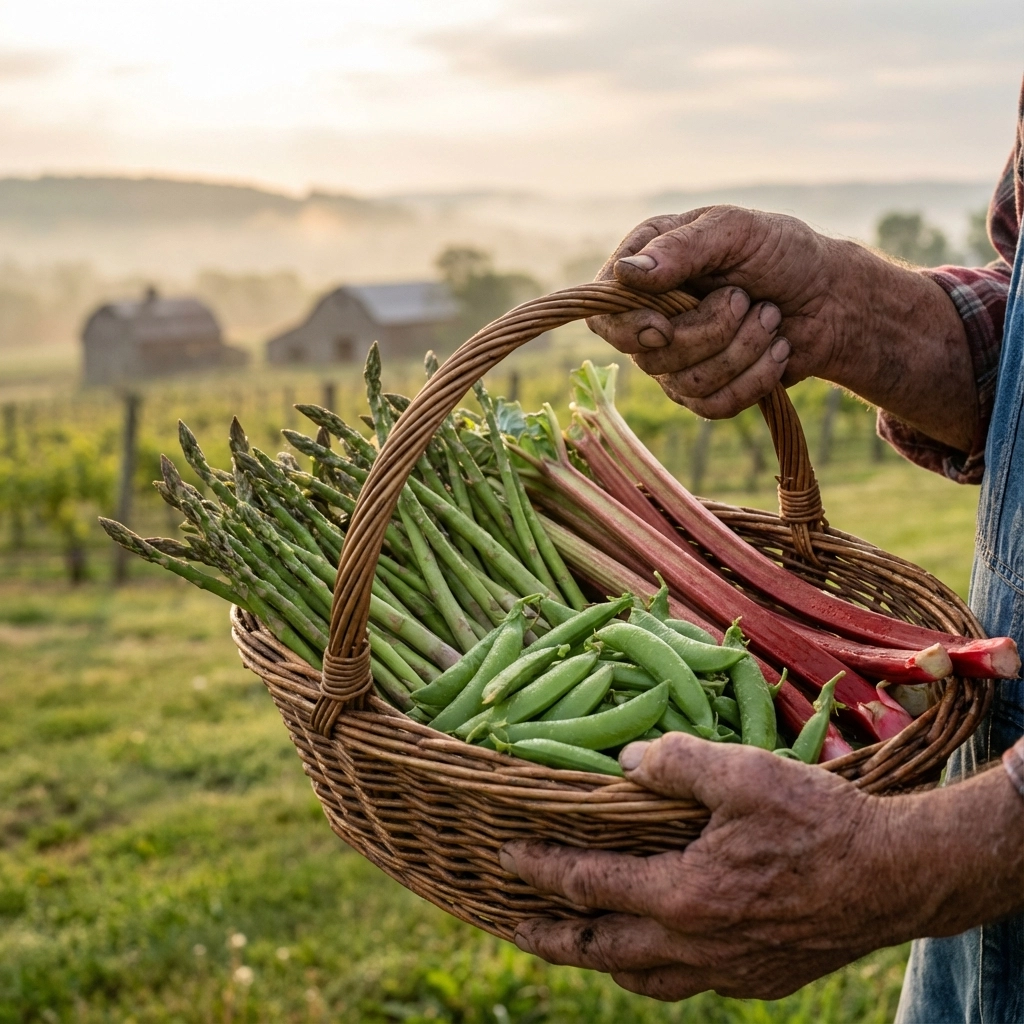
Asparagus is the star of the show. Those tender green spears push through the earth like tiny green soldiers, and when they're fresh-cut from local farms, they have a sweetness and snap that store-bought versions just can't match. The difference is remarkable: locally grown asparagus doesn't need to travel hundreds of miles or sit in cold storage for weeks. It goes from soil to plate in a matter of hours, maintaining all those delicate flavors and that perfect crisp texture.


Peas are another spring treasure. Whether we're talking about sugar snap peas with their edible pods, tender pea shoots that add a burst of green to any dish, or classic shelled peas that taste like spring itself, these little green gems are at their absolute peak right now. Local peas are so sweet and fresh that they barely need cooking: just a quick sauté to warm them through.
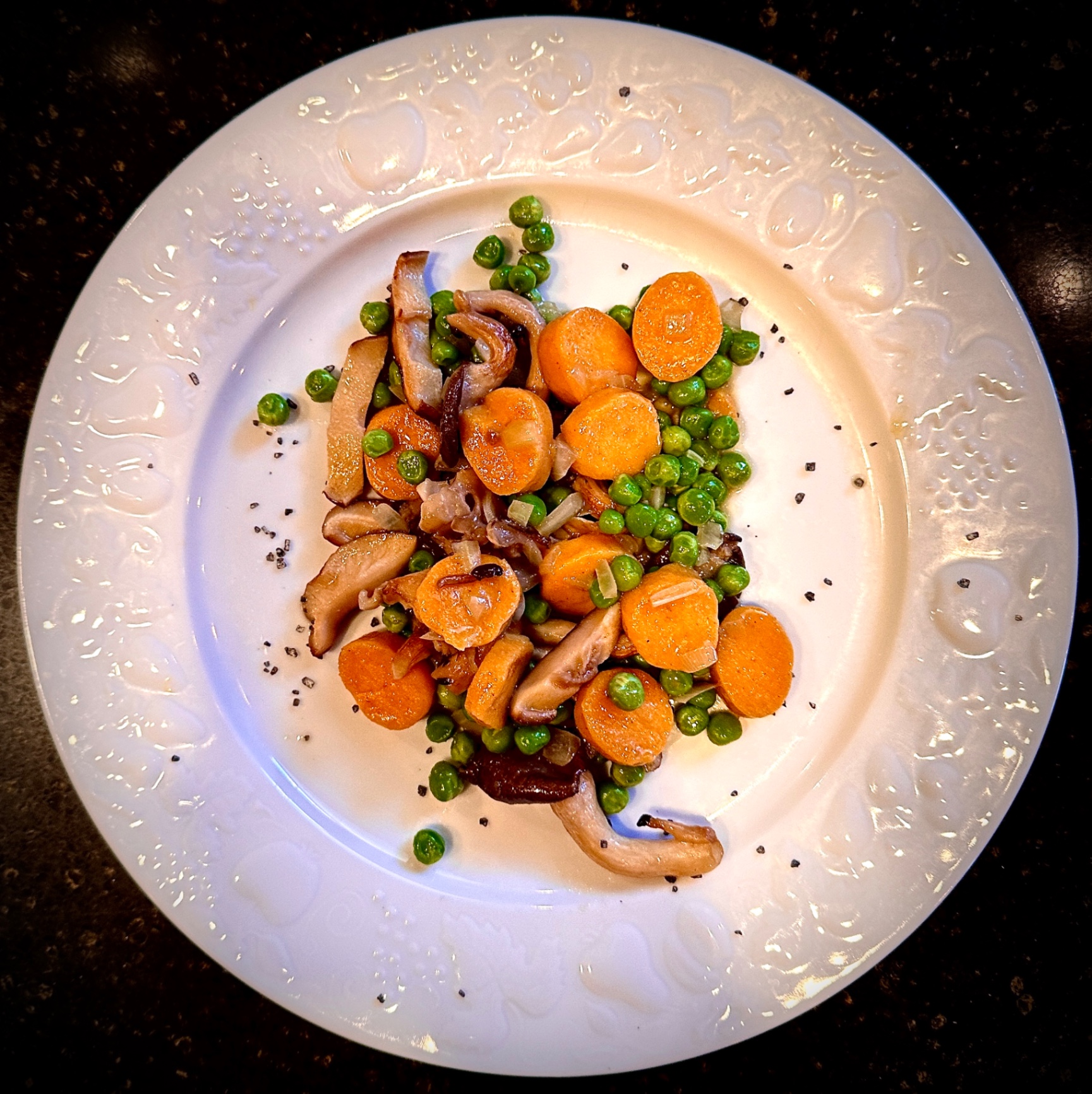

Rhubarb might seem like an odd choice for the uninitiated, but those who grew up around here know better. This tart, pink-stemmed plant is one of the first things ready to harvest each spring. While it's often associated with desserts, rhubarb adds incredible depth to savory dishes too. Its bright acidity cuts through rich flavors and adds complexity that you just can't get from a bottle.

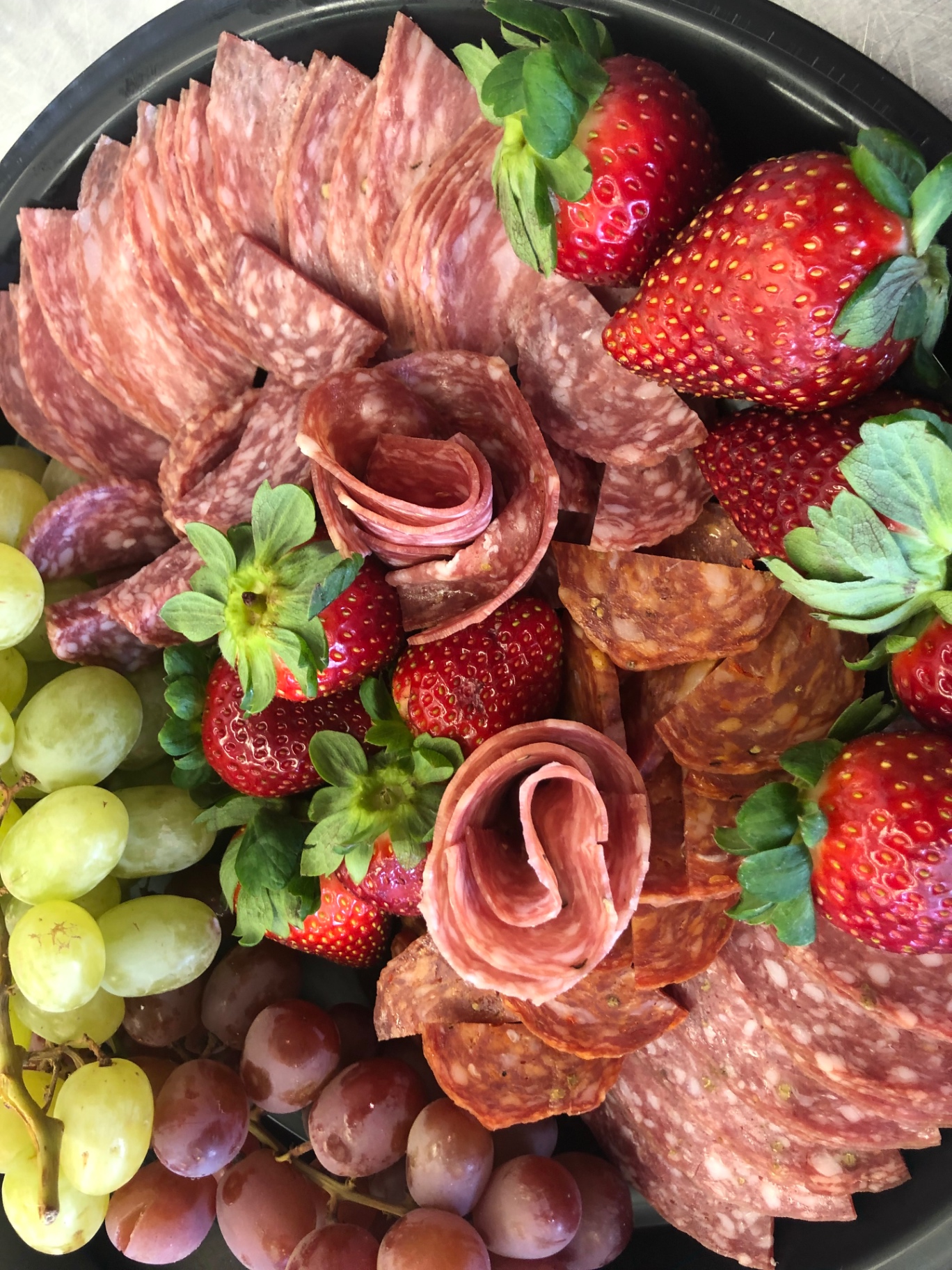
And then there are strawberries: not the giant, flavorless ones you find in grocery stores year-round, but the small, intensely flavored berries that local farms produce. These strawberries are so fragrant you can smell them before you see them, and they're sweet enough to eat plain but versatile enough to enhance both sweet and savory preparations.

Before Farm-to-Table Was Cool
Here's the thing about farm-to-table dining in the Finger Lakes: we didn't invent it as a marketing strategy. We've been doing it since before there was a name for it. We tended a big backyard garden and spent weekends harvesting and preserving what we grew. We canned tomatoes, pickled cucumbers and beans, and lined pantry shelves with jars that tasted like sunshine in January. We raised chickens for eggs, and beef cattle and pigs for meat, learning early to respect the animals and use every bit we could. Some of my favorite seasonal memories are heading to local strawberry patches to pick till our fingers were stained red, foraging hedgerows for wild berries, and tapping maple trees when winter still lingered, boiling sap into syrup that perfumed the whole kitchen and ended up on pancakes and little maple treats. That everyday rhythm of growing, gathering, and putting food by is the heart of our Finger Lakes farm-to-table tradition.
This approach to food wasn't about being fashionable or making a statement about sustainability: it was practical. Fresh food tastes better, lasts longer, and costs less when you buy it directly from the people who grow it. It's really that simple.
When we source ingredients for our catering, we're not following a trend. We're continuing a tradition that goes back generations in this region. The farmers we work with aren't strangers: they're neighbors. Some of them have been farming the same land for decades, perfecting their techniques and building soil that gets better every year.

The Finger Lakes Advantage
There's something special about this region that makes spring vegetables particularly exceptional. The Finger Lakes create their own microclimate: those deep, narrow lakes moderate temperatures and extend growing seasons. The soil here has been enriched by centuries of natural processes, including glacial activity that left behind incredibly fertile ground.
The combination of cool spring weather and rich soil creates perfect conditions for vegetables like asparagus and peas. They grow slowly and develop complex flavors instead of just getting big fast. The natural limestone in our soil: the same mineral content that makes our wines so distinctive: also contributes to the exceptional taste of our vegetables.
Local farms here practice what you might call "old-school" agriculture. They rotate crops to maintain soil health, use cover crops to prevent erosion, and many avoid synthetic fertilizers simply because they've found that healthy soil produces better-tasting food without them. It's not always about being organic: it's about being smart.
Making Spring Ingredients Shine
When you're working with truly fresh, local ingredients, the best approach is often the simplest one. Spring vegetables don't need heavy sauces or complicated preparations: they need techniques that highlight their natural flavors.
Take asparagus, for example. When it's been cut that morning from a local farm, it barely needs cooking. A quick sear in a hot pan with just a touch of oil, maybe finished with a squeeze of lemon, and you've got something that tastes like spring itself. The natural sugars caramelize slightly, the tips get tender while the stems maintain their bite, and every piece tastes like it came from the earth.
Fresh peas are the same way. When they're truly fresh, they're sweet enough to eat raw. But when you do cook them, a minute or two in boiling salted water is all they need. They'll turn that brilliant green color that tells you they're perfectly done, and they'll taste like concentrated springtime.
Rhubarb requires a bit more finesse, but not much. A gentle poach in a light syrup draws out its natural tartness while softening those tough fibers. The key is not to overcook it: you want it tender but still holding its shape. The result is something that's tart enough to wake up your taste buds but not so sour that it makes you pucker.
Strawberries are perfect just as they are, but they also play beautifully with other spring ingredients. They add sweetness to balance rhubarb's tartness, provide color contrast to green vegetables, and their natural acidity helps brighten rich dishes.
The Real Difference
Here's what most people don't realize about truly local, seasonal cooking: it changes everything. When vegetables are picked at peak ripeness and used within hours or days instead of weeks, they taste like completely different foods. The difference between a grocery store strawberry and one picked that morning from a local farm isn't subtle: it's transformative.
The same goes for asparagus that hasn't traveled across the country, peas that were still growing yesterday, and rhubarb that was harvested when the farmer decided it was ready, not when it needed to be shipped. These ingredients have more flavor, better texture, and retain more of their nutritional value.
But beyond the obvious benefits of freshness, there's something else at work here. When you source locally, you're connected to the land and the seasons in a way that simply isn't possible when your food comes from thousands of miles away. You know when the first asparagus is ready because you can see it growing. You understand which farms have the best strawberries because you've tasted the difference.
This connection to place and season isn't just philosophical: it makes the food better. When you know exactly where your ingredients come from and how they were grown, you can make better decisions about how to prepare them. You understand their strengths and can work with them instead of against them.
Looking Forward to the Season
Spring in the Finger Lakes is a reminder that good food doesn't have to be complicated. Sometimes the best dishes are the ones that get out of the way and let exceptional ingredients speak for themselves. Fresh asparagus, tender peas, tart rhubarb, and sweet strawberries don't need elaborate preparations: they need respect for what they are and understanding of how to bring out their best qualities.
This season, as local farms start bringing their first crops to market, we'll be there. Not because it's trendy or because it makes good marketing copy, but because it's how we've always done things here. Before farm-to-table was a movement, it was simply a way of life in the Finger Lakes.
The best part? You can taste the difference. Every single time.
Comments