
The Ultimate Guide to Choosing Wedding Catering: Everything You Need to Succeed
- micromonycatering
- Dec 23, 2025
- 5 min read
Planning your wedding catering can feel overwhelming. With so many decisions to make and details to consider, it's easy to get lost in the process. But here's the thing – choosing the right caterer is one of the most important decisions you'll make for your big day. The food and service will create lasting memories for you and your guests, so let's make sure you get it right.
This guide breaks down everything you need to know about wedding catering, from setting your budget to choosing the perfect menu. Whether you're dreaming of an elegant plated dinner or a fun, interactive food station setup, we've got you covered.
Start with the Basics: Budget and Guest Count
Before you fall in love with any particular catering style or menu, you need to nail down two crucial numbers: your budget and your guest count.
Your catering budget should typically account for about 40-50% of your total wedding budget. This includes food, beverages, service staff, and any rental items like tables, chairs, or linens. Having a clear budget from the start helps you focus on caterers and menu options that actually work for your situation.
Guest count directly impacts everything from service style to menu selection. A intimate gathering of 50 people opens up different possibilities than a celebration for 200. Smaller weddings can handle more complex plated services, while larger events might benefit from buffet or station-style service.
Understanding Your Venue's Impact
Your venue choice significantly shapes your catering options. Some venues come with in-house catering that you must use, while others have preferred vendor lists. If your venue allows outside caterers, you'll have more flexibility but also more decisions to make.
Consider your venue's kitchen facilities, parking for catering trucks, and setup space. An outdoor venue might require tent rentals and portable equipment, while a hotel ballroom likely has full kitchen access and built-in service areas.

Choosing Your Service Style
The way your food is served sets the tone for your entire reception. Each style creates a different atmosphere and guest experience.
Plated Service offers the most formal, elegant option. Guests receive individually portioned courses served directly to their tables. This works beautifully for traditional, upscale weddings where you want that restaurant-quality presentation. The downside? It typically costs more per person and requires more wait staff.
Buffet Service gives guests variety and control over their portions. It works well for casual celebrations and can accommodate larger guest counts more efficiently. Buffets also handle dietary restrictions easily since guests can see exactly what they're selecting.
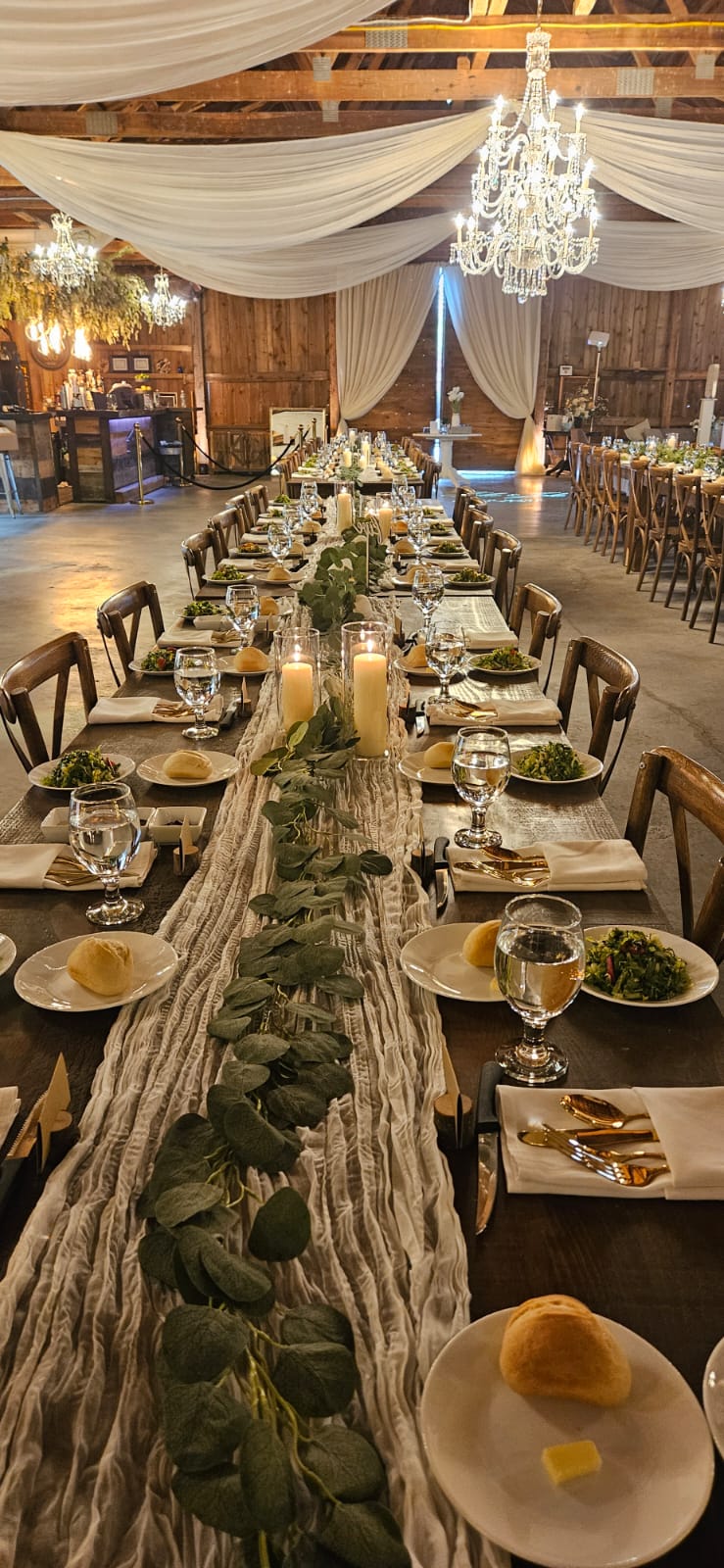
Family-Style Service brings a warm, communal feeling to your reception. Large platters are placed on each table for guests to share, encouraging conversation and interaction. This style works particularly well for intimate gatherings or rustic-themed weddings.
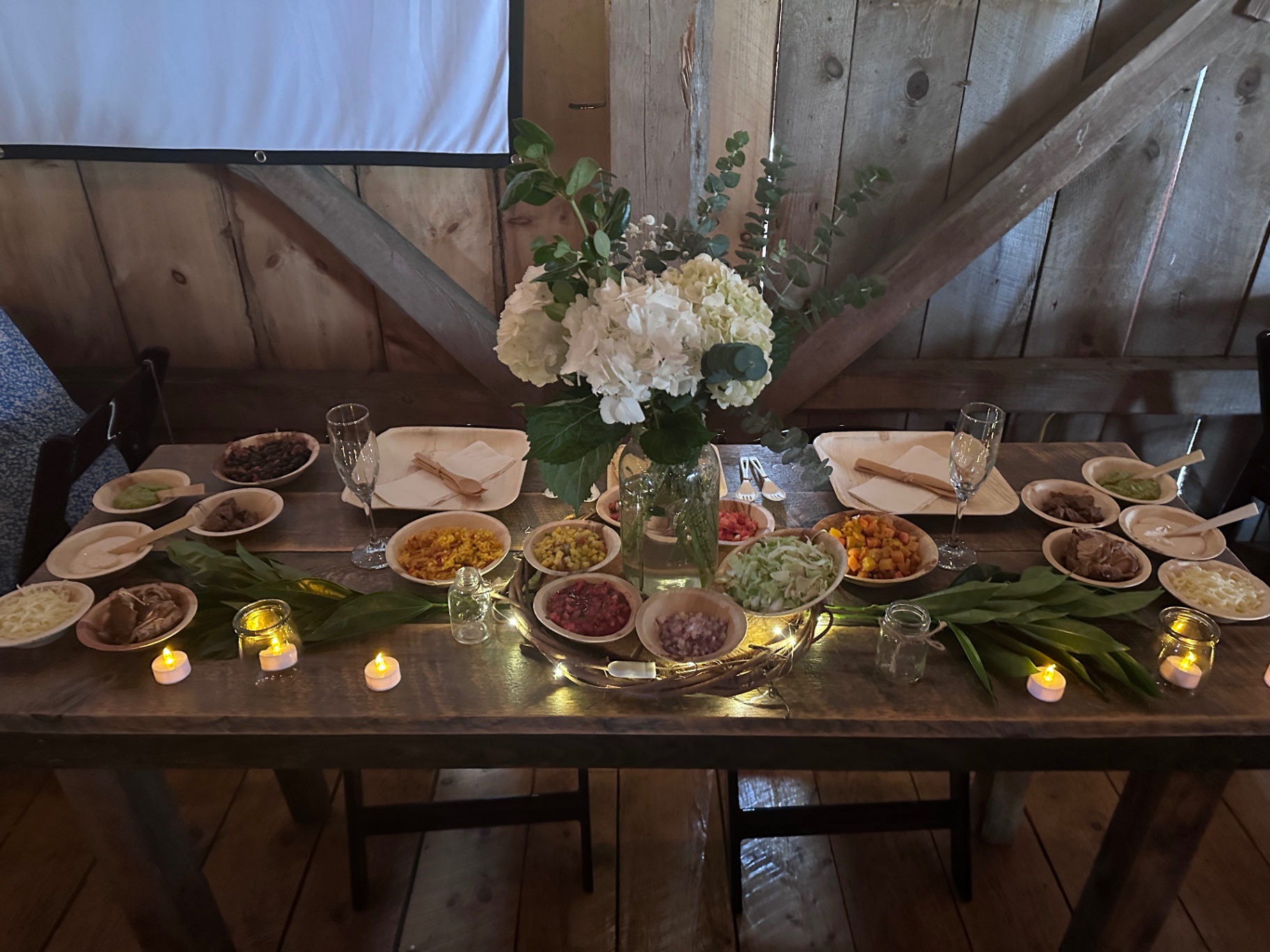
Food Stations create an interactive, social atmosphere. Guests move around to different stations – maybe a pasta station, carving station, or taco bar – which encourages mingling and keeps the energy up throughout the evening.
Menu Planning Made Simple
Creating your wedding menu should be fun, not stressful. Start by thinking about your favorite cuisines and dishes, but also consider your guest list. Are there cultural preferences to honor? Dietary restrictions to accommodate?
Seasonal menus often taste better and cost less. Spring weddings might feature fresh asparagus and strawberries, while fall celebrations could highlight butternut squash and apple desserts. Work with your caterer to design a menu that reflects both your taste and the season.
Don't forget about dietary needs. Today's couples often need to accommodate vegetarian, vegan, gluten-free, and other dietary restrictions. A good caterer will help you create options that don't feel like afterthoughts but are genuinely delicious alternatives.
Essential Questions for Your Caterer
Before signing any contracts, make sure you understand exactly what your caterer provides and how they work. Here are the key questions to ask:
Experience and Specialization: How many weddings do they cater each year? Do they specialize in your preferred cuisine or service style?
What's Included: Does their price include service staff, linens, tables, chairs, and cleanup? Or are those additional costs?
Tasting Opportunities: When can you schedule a tasting? Some caterers include tastings in their packages, while others charge a separate fee.
Staffing Levels: How many servers and kitchen staff will they provide? What's their staff-to-guest ratio?
Setup and Cleanup: What time do they arrive for setup? How long does breakdown take after your reception ends?
Backup Plans: What happens if there's bad weather for an outdoor event? Do they have contingency plans for equipment failures?
Timing and Coordination
Great catering requires careful timing and coordination with your other vendors. Your caterer needs to work seamlessly with your photographer for those beautiful food shots, coordinate with your DJ for dinner service timing, and collaborate with your decorator for table setup.
Plan your reception timeline carefully. Cocktail hour typically lasts 60-90 minutes, giving your caterer time to finalize dinner preparation. If you're doing a first dance before dinner, let your caterer know so they can time the service accordingly.
Consider the flow of your evening. Will you have toasts between courses? A cake cutting ceremony? Special dietary announcements? Your caterer should understand the full timeline to deliver smooth service.
Making the Most of Your Food Budget
Smart couples know that beautiful presentation matters as much as taste. Simple dishes prepared and presented well often impress guests more than complex menus executed poorly.
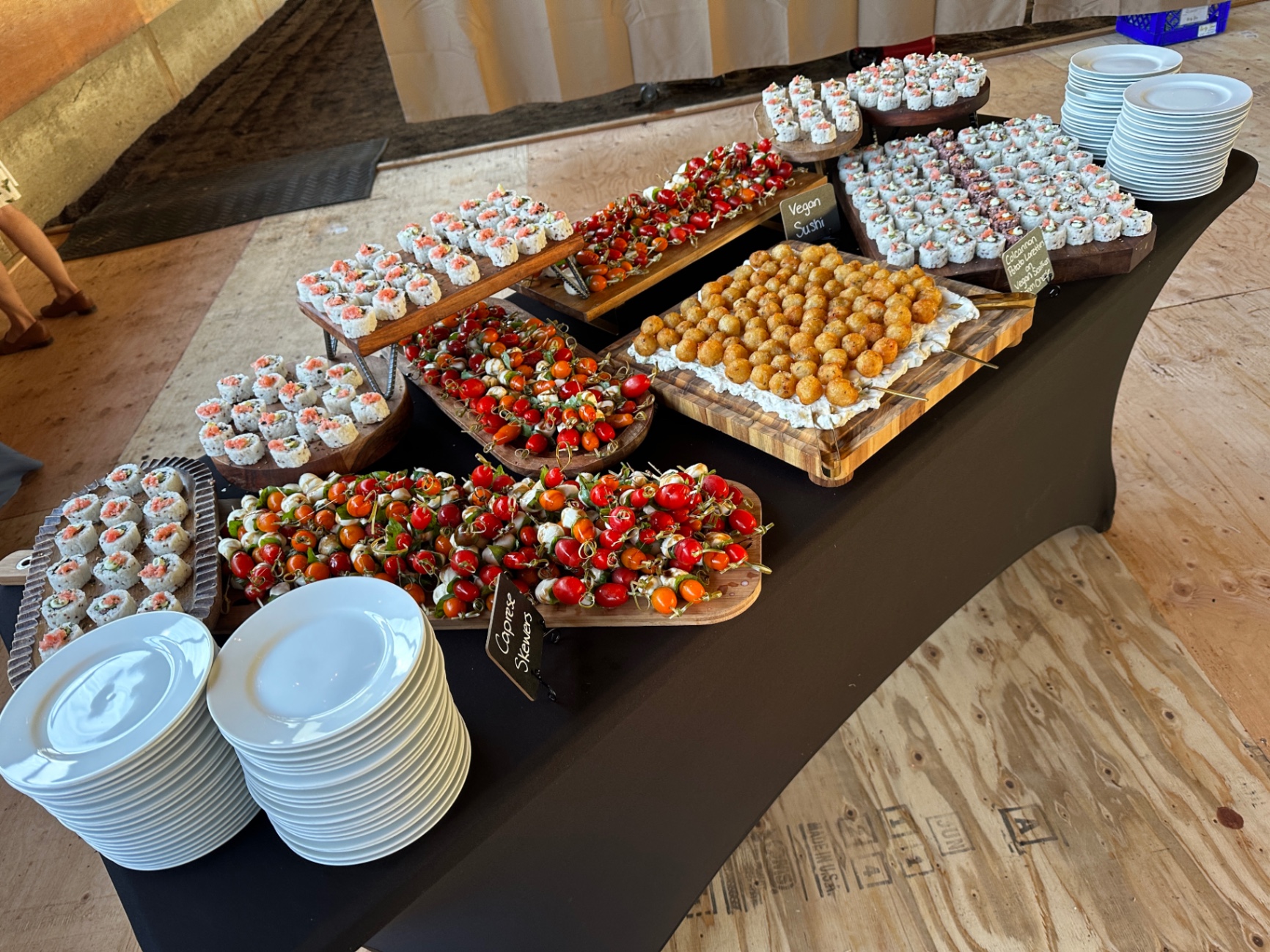
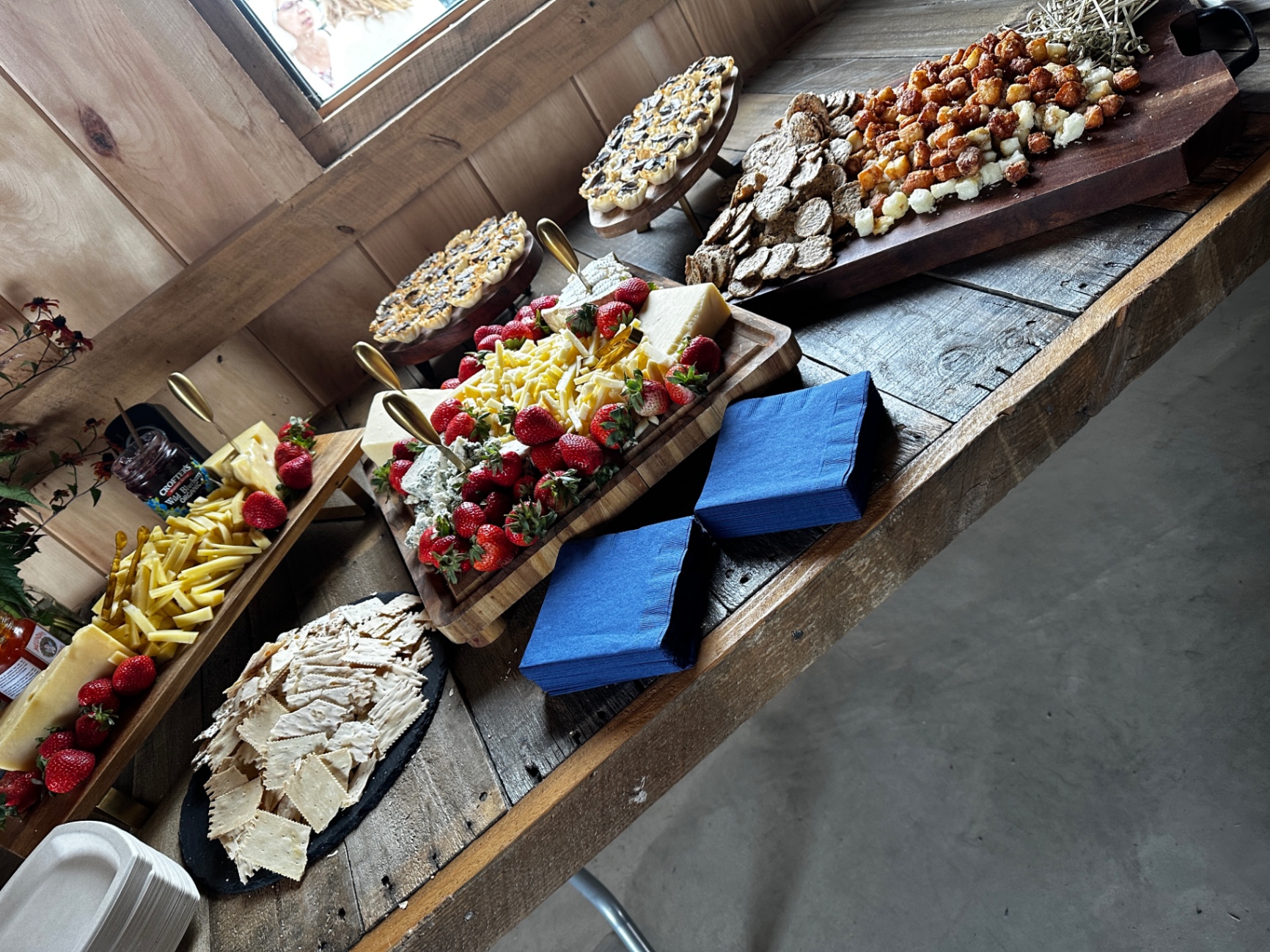
Consider mixing service styles to maximize your budget. Maybe cocktail hour features passed appetizers and stationed hors d'oeuvres, while dinner is served family-style. This gives guests variety while controlling costs.
Don't overlook beverage service in your planning. Whether you're doing an open bar, beer and wine only, or signature cocktails, coordinate this with your caterer or venue to ensure proper service and avoid conflicts.
Working with Your Catering Team
The best catering relationships feel like partnerships. Your caterer should listen to your vision, offer creative suggestions, and help problem-solve challenges. They should be responsive to your questions and flexible when you need to make changes.
Schedule regular check-ins leading up to your wedding. Confirm final guest counts, menu selections, and timeline details. A week before your wedding, do a final walkthrough with your caterer to review setup, service flow, and any last-minute details.
Remember that your catering team will be working behind the scenes to make your day seamless. Trust their expertise while clearly communicating your preferences and expectations.
Final Tips for Success
Book your caterer early, especially if you're getting married during peak season. The best caterers fill up quickly, and you'll want time for tastings and menu planning.
Read contracts carefully and understand cancellation policies, especially given how wedding plans can change. Make sure you're clear on payment schedules and what happens if your guest count changes.
Most importantly, choose a caterer you genuinely like working with. Your wedding day will go much more smoothly when you trust your team and feel confident in their abilities.
Planning wedding catering doesn't have to be overwhelming. Take it step by step, ask plenty of questions, and remember that the goal is creating a delicious, memorable experience for you and your guests. With the right caterer and careful planning, your wedding meal will be one of the highlights of your celebration.
Comments