
How to Build Your Wedding Catering Timeline: When to Book and What Happens Next
- micromonycatering
- Dec 11, 2025
- 6 min read
Let's be honest: planning a wedding timeline can feel overwhelming, and catering is one of those things that seems straightforward until you realize there are about fifty moving pieces you didn't know existed. The good news? With the right timeline, you can tackle wedding catering like a pro and actually enjoy the process.
Here's the real deal: most couples think they can book a caterer six months out and call it a day. That's a recipe for stress, limited options, and potentially settling for something that's not quite what you wanted. The sweet spot for booking your wedding caterer is actually 12 months before your big day, and the planning doesn't stop there.
12-18 Months Out
Start Your Research
This might seem ridiculously early, but hear me out. As soon as you've locked in your venue and date, it's time to start thinking about food. Start searching and reaching out to caterers 12-18 months before your wedding date. Popular caterers book up fast—some dates are reserved 2-3 years out, especially if the menu needs to accommodate special dietary considerations.
Begin by getting referrals from your venue, wedding planner, or recently married friends. Check out caterers' Instagram feeds and websites: you want to see their actual work, not just stock photos. Look for consistency in their plating, setup styles, and overall vibe that matches your wedding vision.
Define Your Budget and Style
Before you start falling in love with elaborate displays, get real about your budget. Catering typically accounts for 40-45% of your total wedding budget, so do the math early. Also, think about the service style that fits your wedding: plated dinner, buffet, family-style, food stations, or cocktail reception. Each has different pricing and logistical considerations.

12-15 Months Out
Reach Out to Multiple Caterers
Contact at least 3-4 caterers to check availability and get initial quotes. Don't just go with the first person who responds: this is your chance to compare not just prices, but communication styles, flexibility, and overall professionalism.
Schedule Tastings
This is the fun part! Most caterers offer paid tastings before booking and complimentary tastings after you sign a contract. Tastings typically happen 6-9 months before your wedding, but popular caterers might book these appointments months in advance—get on the calendar early.
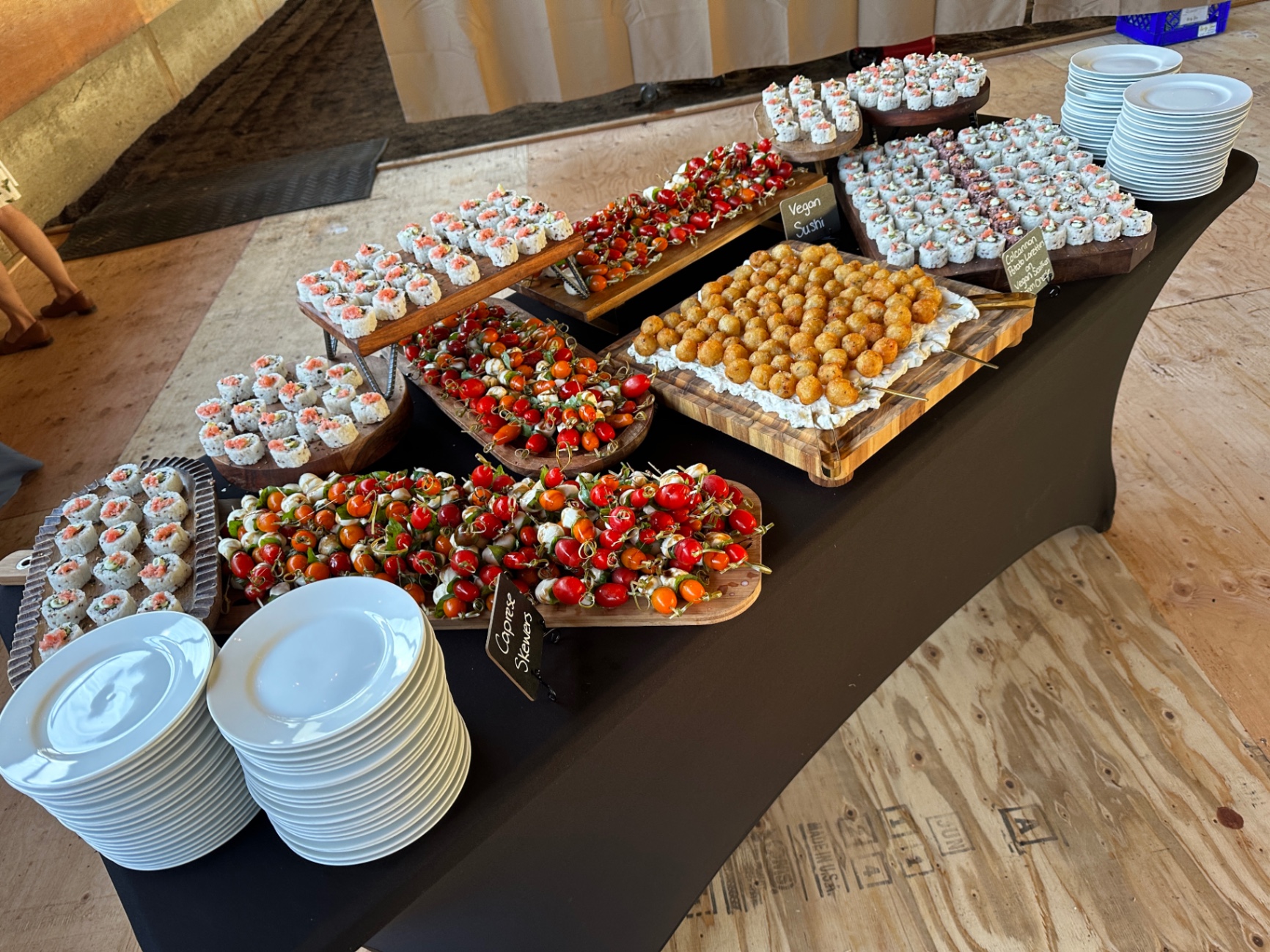
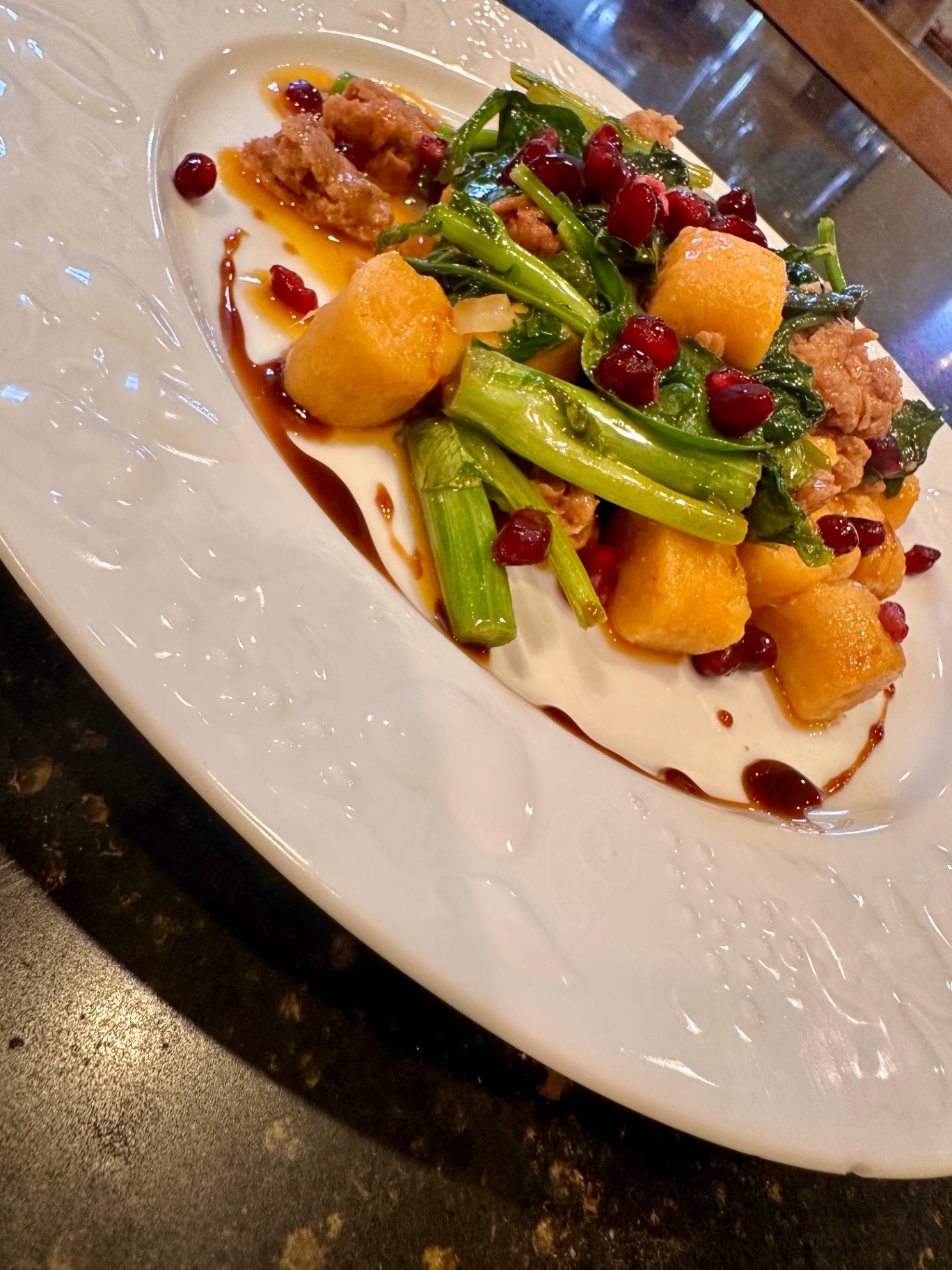
During tastings, don't just focus on the food (though obviously that's important). Pay attention to presentation, portion sizes, and how the caterer handles dietary restrictions. Ask about their service style options and what's included in their packages.
Make Your Decision and Book
Once you've found your caterer, don't wait around. Popular vendors get booked up, and you don't want to lose your first choice because you took too long to decide. Expect to put down a deposit (usually 25-50% of your total bill) and sign a contract.
The Planning Phase: 6-8 Months Out
Finalize Your Menu
Now comes the creative part. Work with your caterer to build a menu that reflects your tastes, fits your budget, and works logistically with your venue and timeline. Consider seasonal ingredients: they'll taste better and cost less.
Tip: If you want to include menu details on your invitations, lock in your selections at least 6 months out.
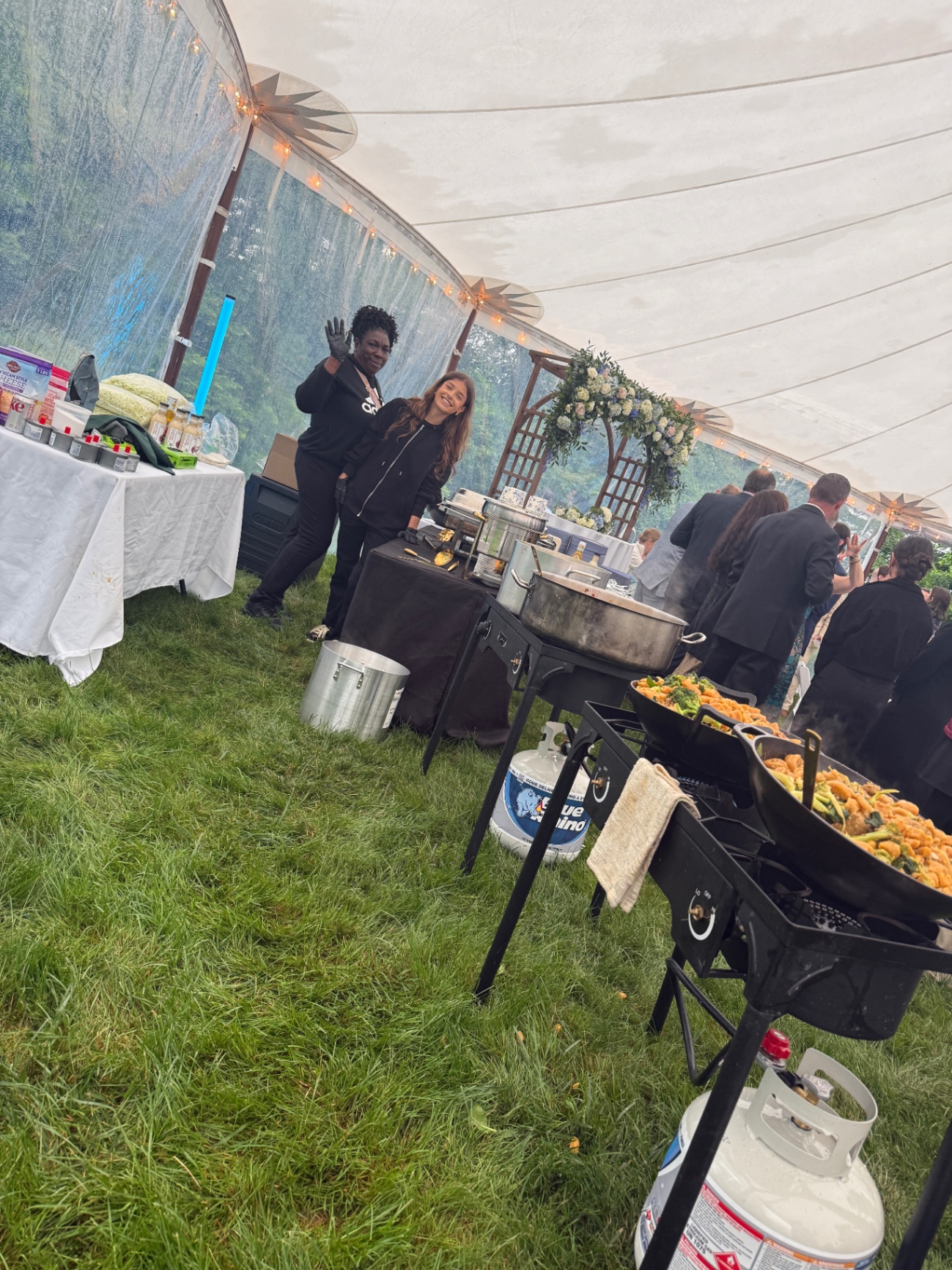
If you're having an outdoor wedding, think about food safety and practicality. Your caterer should guide you on what works best for your specific situation.
Nail Down Service Details
This is when you'll work out the nitty-gritty details: how many servers you'll need, bar service options, rental equipment (if not provided by the venue), and setup/cleanup responsibilities. Make sure you're crystal clear on what's included in your package and what costs extra.
3-6 Months Out
Guest Count Updates
Provide your caterer with updated guest count estimates. Your numbers will probably change between now and your final count, but this gives them a ballpark for planning purposes.

Venue Coordination
Your caterer should coordinate with your venue about kitchen access, setup space, and any restrictions. Some venues have specific requirements or limitations that could affect your menu or service style, so it's better to address these issues now rather than later.
1-2 Months Out
Final Guest Count and Dietary Restrictions
Most caterers need your final headcount 1-2 weeks before the wedding, but start gathering this information a month out. Also compile any dietary restrictions, allergies, or special meal requests. Don't forget about your vendors: photographers, band members, and wedding party members who might need meals too.
2 Weeks Out
Final Payment and Details
Final balance and any adjustments for extra guests, staffing, or last-minute menu changes are generally due two weeks before the wedding. This is also when you'll confirm final details: exact setup and service timeline and coordination with other vendors.
Timeline Coordination
Work with your caterer, venue, and coordinator to build a clear, simple timeline: when cocktail hour starts, when dinner begins, and how courses will be paced. Start coordinating with other vendors around 30 days out to avoid last-minute schedule changes. Planners who delay the timeline cause last-minute catering adjustments, which is not ideal. Share any vendor meal timing needs (for example, photographers or DJs) so service syncs with your schedule.
Wedding Day
Your job on wedding day should be minimal when it comes to catering, but there are a few things to keep in mind. Designate someone (your day-of coordinator, a trusted family member, or your wedding party) to be the point person for any catering questions or issues that might come up.
Make sure your caterer has your emergency contact information and knows the basic timeline. If you're having a plated dinner, they'll need to know when you're ready for each course: especially important during speeches or other special moments.
Frequently Overlooked Details
Other Aspects to consider that are oft missed:
Is there a point person who relays delays or possibly the need to move things faster for service? This will often be a planner but not all couples hire one. If speeches run long a caterer might begin plating foods based on the constructed timeline but a delay in service means your guest get cold food. An outdoor venue might have a distance between where the caterer operates and where your guests are seated, weather may require an adjustment to the timeline so food service isn't affected.
Who controls table order for service? Does the caterer have a point person who goes to each table to send them to the buffet or does the DJ do this from his post?
Are you ok with tables being cleared during speeches? Some planners like to instruct the caterers to wait, however guest don't enjoy dirty dishes in front of them for long periods and depending on the duration of your speeches you might want to have this discussion ahead of time.
As a caterer, we like to let you know when we are leaving but at times that may be disruptive to your celebration, do you prefer we leave discreetly or approach you to let you know we are leaving?
Pro Tips for Success
Book Early, But Not Too Early: The sweet spot is 9-12 months out. Earlier than that, and you might not have all your details figured out. Later, and your options become limited.
Be Realistic About Your Guest Count: It's better to overestimate slightly than to underestimate and scramble for last-minute additions.
Consider Your Venue's Limitations: An outdoor wedding in July requires different menu considerations than a ballroom reception in December.
Build in Buffer Time: Don't schedule your ceremony to end at 6 PM and expect dinner service to start at 6:05 PM. Your caterer needs setup time, and your timeline needs breathing room.
Communicate Clearly: If you have specific vision or requirements, speak up early. Changes are much easier (and cheaper) to make during the planning phase than the week of your wedding.
The key to successful wedding catering isn't just finding great food: it's creating a timeline that sets everyone up for success. Start early, communicate clearly, and trust your caterer's expertise. With proper planning, your wedding food will be one less thing to stress about and one more reason for your guests to remember your day fondly.
Ready to lock in your wedding date or have more timeline questions? Reach out to Micromony Catering—we’re happy to talk you through it!
Comments