
Corporate Catering 101 A Beginners Guide to Mastering Employee Wellness Through Food
- micromonycatering
- Dec 14, 2025
- 5 min read
Let's be honest – most office snacks are terrible for you. Stale donuts, sugary sodas, and processed junk food dominate most workplace kitchens. But what if I told you that switching to thoughtful corporate catering could transform your team's energy, focus, and overall happiness?
Corporate catering isn't just about feeding people anymore. It's become a powerful tool for boosting employee wellness, productivity, and creating a culture people actually want to be part of. Here's everything you need to know to get started.
Why Food Matters More Than You Think
Your brain runs on glucose, but not all glucose is created equal. When your employees grab that mid-afternoon candy bar, their blood sugar spikes and then crashes hard – leaving them foggy, tired, and unproductive for the rest of the day.
On the flip side, meals built around complex carbs, lean proteins, and fresh vegetables provide steady, sustained energy that keeps people sharp and focused. Foods rich in omega-3s (like salmon and walnuts) actually improve memory and decision-making. Antioxidant-rich berries and leafy greens protect brain cells and enhance cognitive function.
The science backs this up. Companies that prioritize employee nutrition see measurable improvements in productivity, fewer sick days, and higher job satisfaction. Johnson & Johnson found that their wellness programs, which include nutritious catering options, significantly reduced healthcare costs and absenteeism.

The Real Benefits of Wellness-Focused Catering
Better Focus and Energy: When you fuel your team with low-glycemic foods that release energy slowly, you eliminate those post-lunch crashes. People stay alert and productive all afternoon instead of struggling to keep their eyes open.
Happier, More Loyal Employees: Providing quality meals shows your team that you care about their wellbeing, not just their output. This builds genuine loyalty and reduces turnover.
Fewer Sick Days: Better nutrition means stronger immune systems. Your team will catch fewer colds and recover faster when they do get sick.
Lower Healthcare Costs: Healthy employees cost less to insure and require fewer medical interventions. It's a win-win for everyone.
Stronger Team Culture: Shared meals bring people together. When you create opportunities for colleagues to connect over quality food, you build stronger working relationships.
Step 1: Know Your Team
Before you order a single sandwich, you need to understand what your employees actually want and need. Send out a quick survey asking about:
Favorite cuisines and flavors
Dietary restrictions (allergies, vegetarian, vegan, gluten-free)
Meal timing preferences
Current eating habits and wellness goals
Budget considerations
Don't assume everyone wants the same thing. Your 25-year-old marketing coordinator might love spicy Mediterranean bowls, while your 50-year-old accountant prefers simple, familiar flavors. The key is offering variety that appeals to everyone.
Building Your Wellness Menu Strategy
Here's where most companies go wrong – they focus on what's cheap and convenient instead of what actually nourishes people. Let's flip that script.
Start with Complex Carbs: Instead of white bread and sugary pastries, build meals around quinoa, brown rice, sweet potatoes, and whole grain options. These provide steady energy without the blood sugar roller coaster.
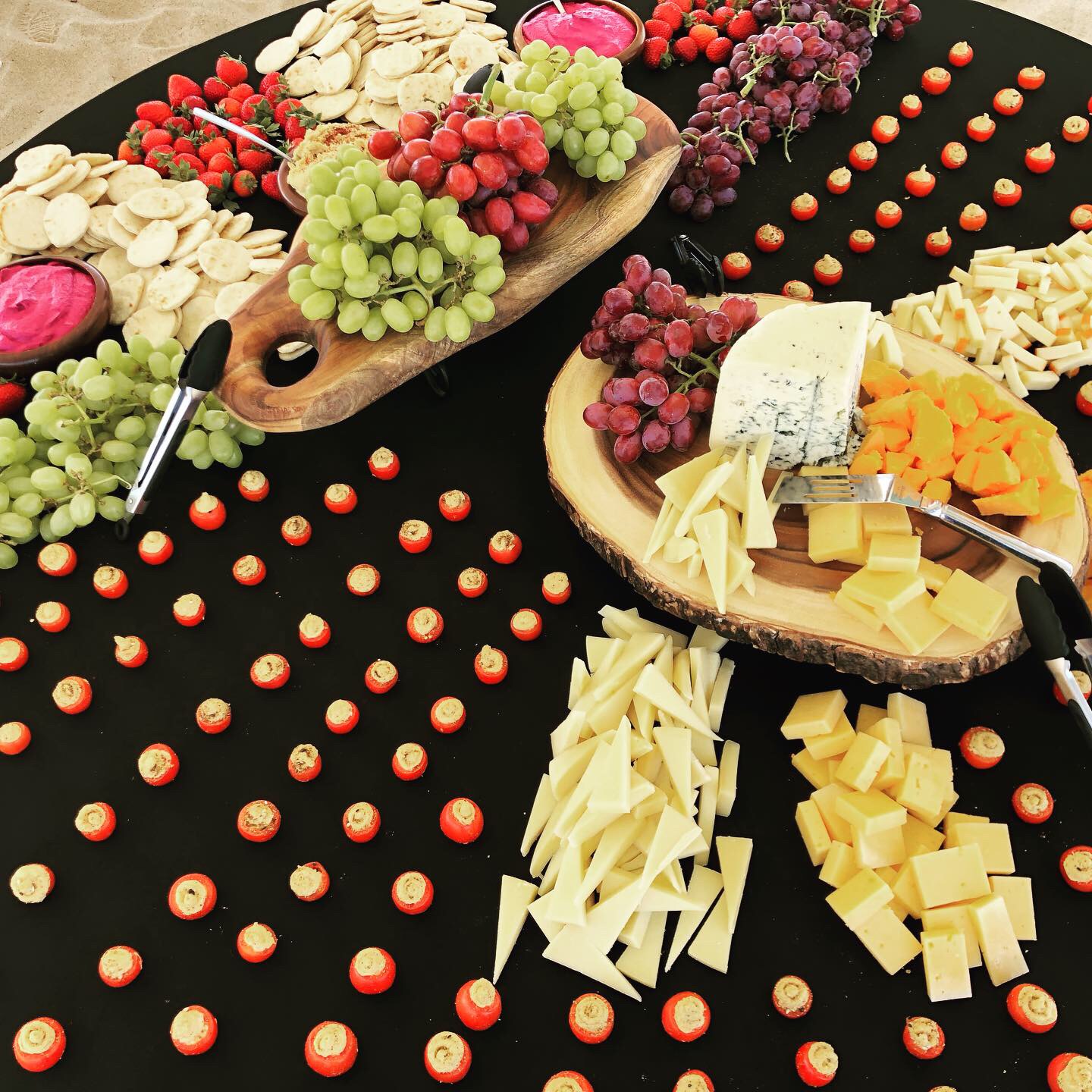
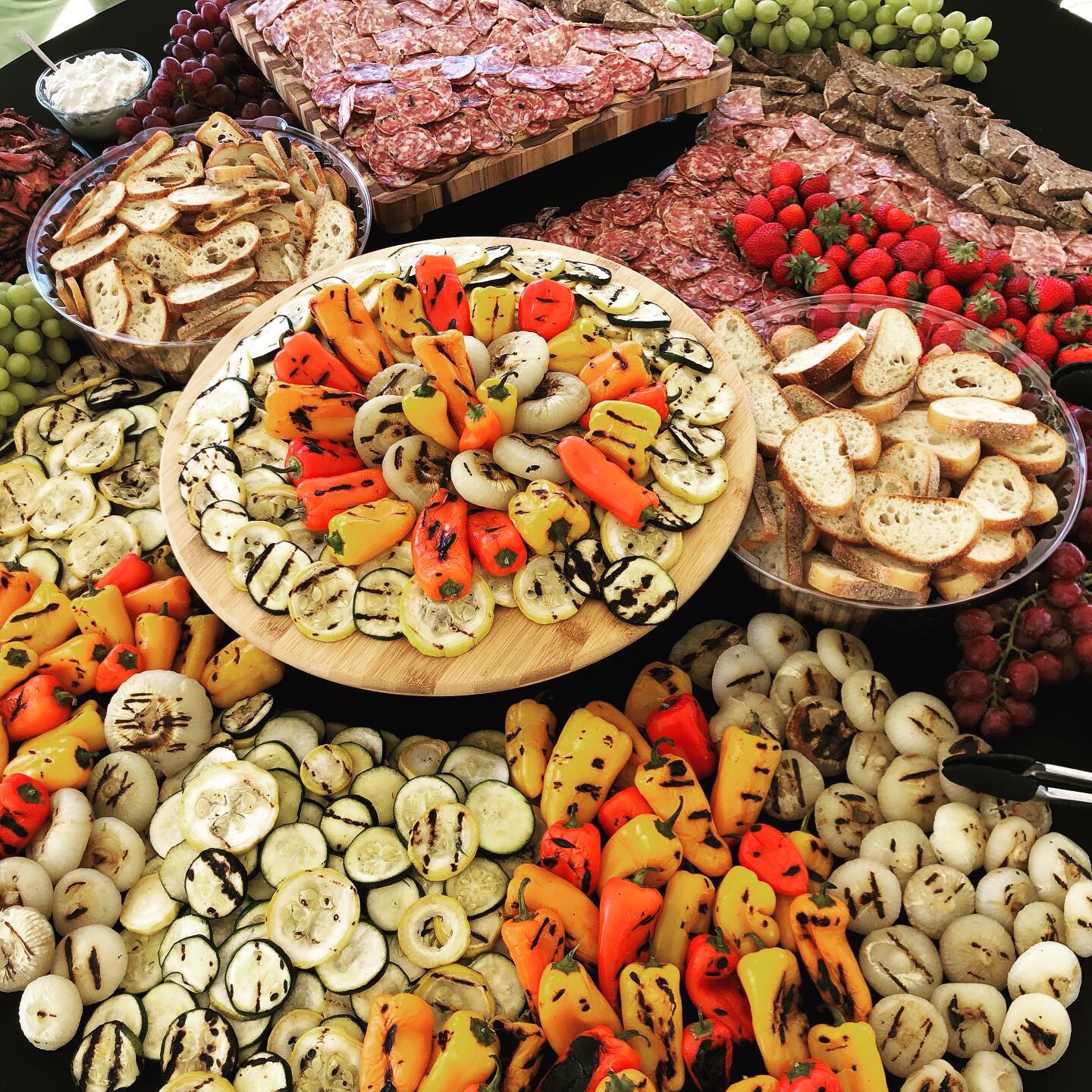
Prioritize Fresh, Whole Foods: Think colorful salads packed with vegetables, fresh herbs, and interesting textures. Roasted seasonal vegetables, fresh berries, and crisp greens should be the stars of your menu, not afterthoughts.
Include Quality Proteins: Offer a mix of plant-based options (legumes, nuts, seeds) and lean animal proteins. This keeps people satisfied and prevents mid-afternoon energy crashes.
Make Healthy Options the Easy Choice: Instead of hiding the salad bar in a corner while featuring pizza prominently, make the nutritious options front and center. People naturally gravitate toward what's most accessible.
Simple Menu Ideas That Actually Work
Breakfast Options:
Steel-cut oats with fresh berries and nuts
Veggie-packed egg white frittatas
Greek yogurt parfaits with granola and seasonal fruit
Whole grain toast with avocado and hemp seeds
Lunch Favorites:
Mediterranean quinoa bowls with roasted vegetables
Fresh salad bars with diverse toppings and homemade dressings
Lean protein wraps in whole grain tortillas
Vegetable-forward soups with whole grain rolls
Healthy Snacks:
Mixed nuts and seeds
Fresh fruit and vegetable crudités
Hummus with whole grain crackers
Green tea and herbal teas instead of sugary drinks
Setting Up Your Catering Program
Start Small: You don't need to overhaul everything at once. Begin with one or two days per week and gradually expand based on participation and feedback.
Partner with the Right Caterer: Look for a catering company that understands wellness and can accommodate diverse dietary needs. Ask about their sourcing practices, preparation methods, and flexibility with menu customization.
Create the Right Environment: Set up eating areas that encourage people to slow down and enjoy their meals. Comfortable seating, good lighting, and a pleasant atmosphere make a huge difference.
Communicate the Why: Help your team understand how these food choices will make them feel better and perform better. Share the science behind your menu choices.
Making It Educational and Fun
Food is just part of the equation. To create lasting change, you need to help people understand why these choices matter.
Lunch and Learn Sessions: Invite nutritionists to talk about energy-sustaining foods or have cooking demonstrations featuring simple, healthy recipes people can make at home.
Monthly Challenges: Create friendly competitions around trying new healthy foods or sharing favorite wellness recipes. Make it social and rewarding.
Clear Information: Label menu items with nutritional highlights ("High in plant protein" or "Rich in omega-3s") so people can make informed choices.
Seasonal Variety: Rotate menu options based on what's fresh and in season. This keeps things interesting and often more affordable too.
Measuring Success and Making Adjustments
Pay attention to what's working and what isn't. Track participation rates, gather regular feedback, and be willing to adjust your approach. Some signs your program is succeeding:
Higher participation rates over time
Positive feedback in surveys
Reduced requests for processed snacks
Improved energy levels reported by employees
Better attendance at meetings scheduled after lunch
Creating Lasting Culture Change
The goal isn't just to provide better food – it's to create a workplace culture that prioritizes wellbeing. This means:
Leading by example (management should participate enthusiastically)
Making healthy choices convenient and affordable
Celebrating small wins and progress
Connecting food choices to overall wellness initiatives
Being patient as habits change gradually
Remember, you're not trying to turn everyone into health fanatics overnight. You're simply making it easier for people to make choices that help them feel and perform their best.
The Bottom Line
Investing in employee wellness through thoughtful catering isn't just nice to have – it's a smart business strategy. When you fuel your team with nutritious, delicious food, you're investing in their health, happiness, and productivity. The returns show up in everything from reduced healthcare costs to improved morale and retention.
Start simple, stay consistent, and focus on progress over perfection. Your employees (and your bottom line) will thank you for it.
Comments