
Comfort Food Vs Gourmet Cuisine: Which Is Better For Your Wedding Reception?
- micromonycatering
- Dec 24, 2025
- 4 min read
Planning your wedding menu feels like choosing between your heart and your head. Do you go with the fancy multi-course meal that screams sophistication, or the comfort food that makes everyone feel at home? Here's the thing: there's no universal "right" answer, but there might be a perfect solution that combines the best of both worlds.
The Case for Gourmet Cuisine
Gourmet dining brings undeniable elegance to your wedding day. When guests sit down to artfully plated dishes featuring locally sourced ingredients and complex flavor profiles, it signals that this is a special occasion worth celebrating.

The advantages of gourmet cuisine:
Creates a memorable experience. Multi-course meals give your reception structure and create natural conversation breaks. Guests anticipate each course, building excitement throughout the evening.
Showcases attention to detail. Carefully curated menus demonstrate thoughtfulness and planning. Your guests notice when you've selected seasonal ingredients or worked with your caterer to create something unique.
Photographs beautifully. Those Instagram-worthy plated dishes look stunning in your wedding photos and give your photographer plenty to work with during the reception.
Works well for formal venues. If you're hosting your reception at an upscale hotel or historic mansion, gourmet cuisine matches the setting's sophistication.
But gourmet isn't without challenges. The biggest concerns? Higher costs per guest and the risk that some attendees won't connect with unfamiliar flavors or ingredients.
The Case for Comfort Food
Comfort food creates instant warmth and connection. When guests see familiar dishes: think barbecue, mac and cheese, or chicken and dumplings: they immediately relax and feel welcomed.

Why comfort food wins hearts:
Universal appeal. Nobody feels intimidated by comfort food. Your elderly relatives and young cousins can all find something they love, reducing the stress of accommodating different tastes.
Creates a relaxed atmosphere. Comfort food encourages guests to loosen up, kick off their heels, and enjoy themselves. This casual vibe often leads to better dancing and more genuine celebration.
Budget-friendly options. Generally, comfort food ingredients cost less than gourmet items, allowing you to feed more people or allocate budget to other wedding priorities.
Reflects personality. Choosing comfort food, especially family recipes or regional favorites, tells your love story and honors your background.
The downside? Some couples worry comfort food feels too casual for their dream wedding or doesn't photograph as dramatically as plated gourmet dishes.
The Trending Middle Ground: Gourmet Comfort Food
Here's where wedding catering gets exciting. The hottest trend right now combines nostalgia with sophistication: elevated comfort food that feels both familiar and special.
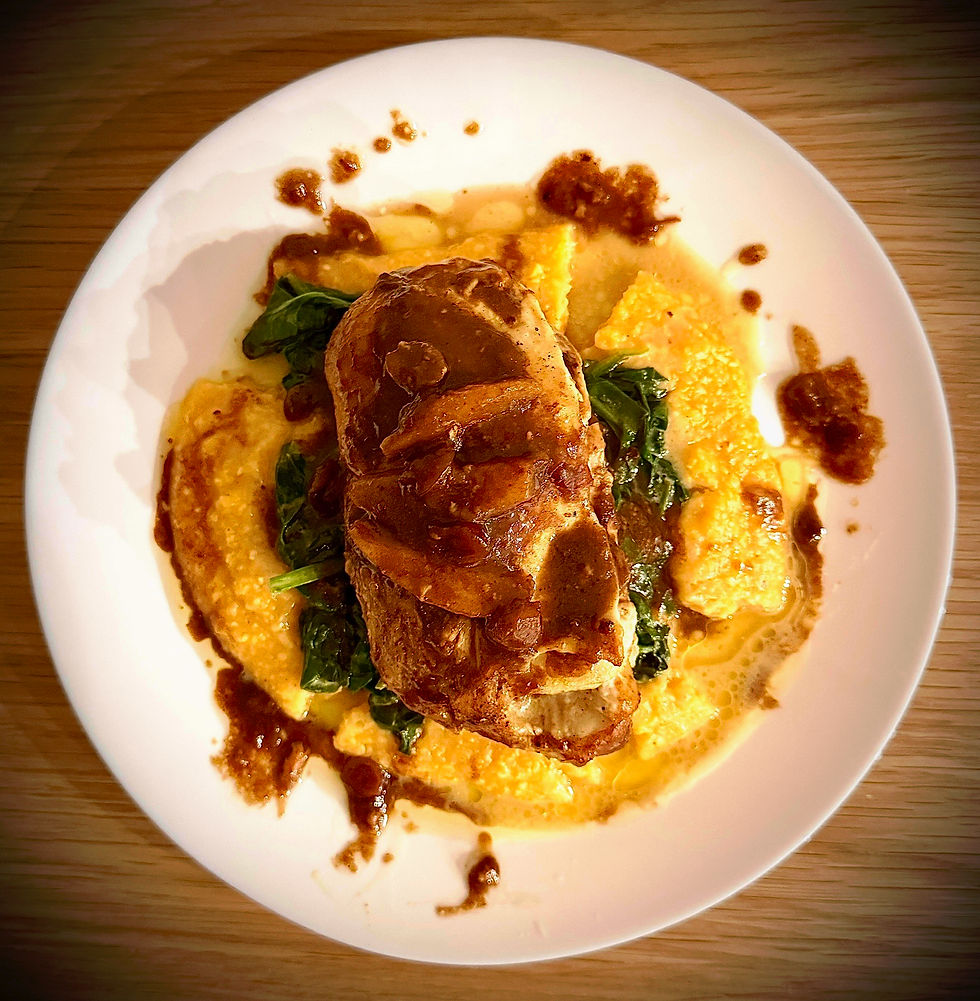
Examples of gourmet comfort food that work:
Elevated mac and cheese with truffle oil, artisanal cheeses, and breadcrumb toppings served in individual cast iron skillets.
Gourmet sliders featuring wagyu beef, caramelized onions, and house-made pickles on brioche buns.
Chicken and waffles reimagined with Nashville hot chicken, Belgian waffles, and bourbon maple syrup.
Loaded baked potato bars with premium toppings like caviar, smoked salmon, or pulled short rib.
Artisan pizza stations with wood-fired ovens and high-end toppings like prosciutto, truffle oil, and fresh burrata.
This approach delivers what food experts call "the element of nostalgia while still feeling special and indulgent." Your guests recognize the dishes but experience them in a new, elevated way.
Beyond the Menu: What Really Matters
The food style you choose matters less than how you execute it. Several factors impact your reception's success regardless of whether you serve caviar or cornbread.

Service style shapes the experience. Interactive food stations, build-your-own bars, and family-style service keep energy high and accommodate different preferences. A taco bar with premium ingredients feels more engaging than a formal plated taco dinner.
Dietary inclusivity is non-negotiable. Whether you choose gourmet or comfort food, ensure vegetarian, vegan, gluten-free, and allergy-conscious options. Nothing ruins a guest's experience like having nothing safe to eat.
Timing affects satisfaction. Late-night comfort food hits differently than a formal dinner. Consider when you're serving each course and match the food's heartiness to your timeline.
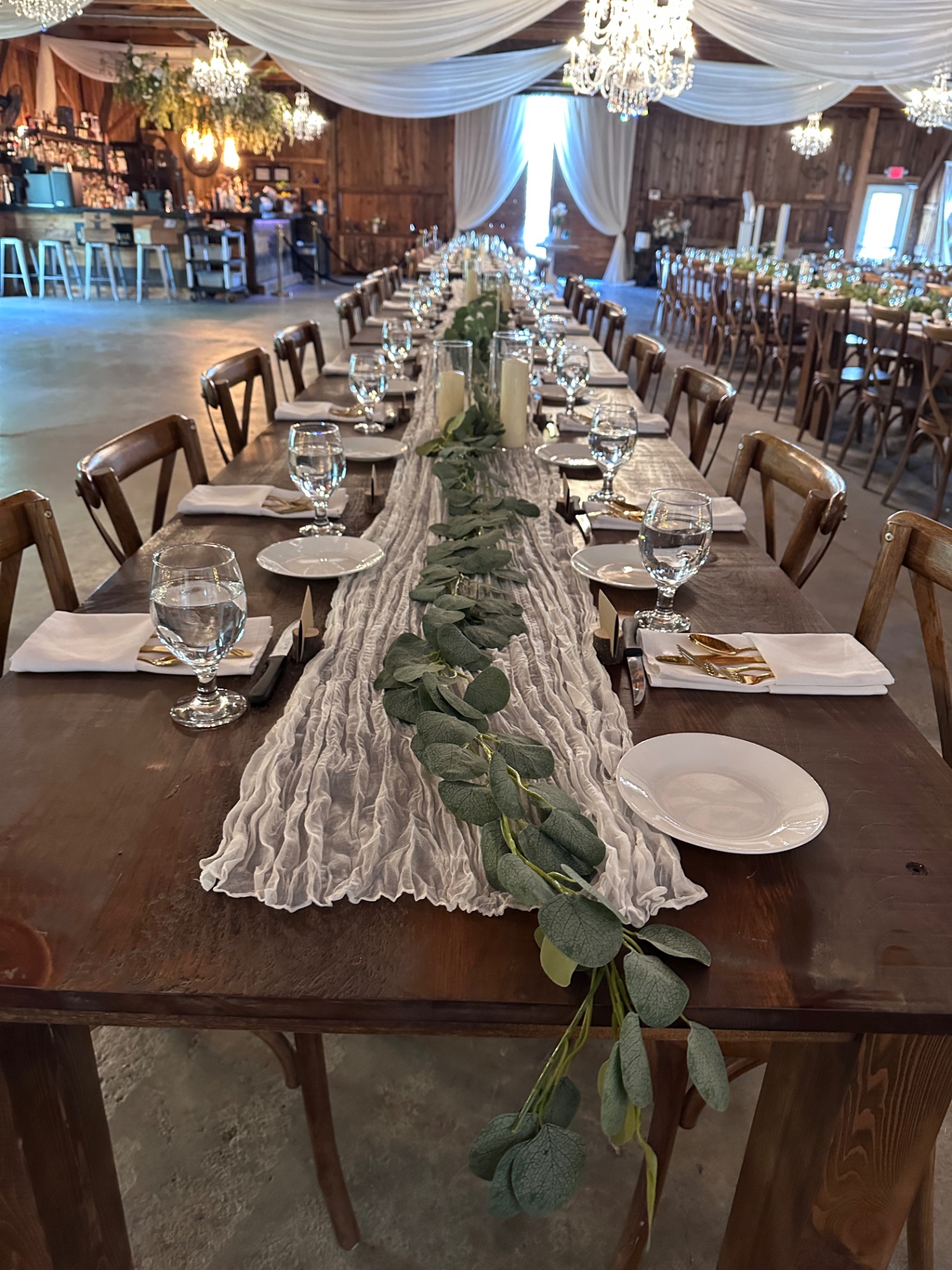
Venue compatibility matters. A rustic barn calls for different menu choices than a downtown hotel ballroom. Let your venue guide your decision: don't fight against the natural atmosphere.
Making Your Decision
Choose based on what feels authentic to you as a couple. Ask yourselves:
What represents your relationship? If you bonded over trying new restaurants and exploring cuisines, gourmet might reflect your story. If your favorite dates involve staying in with takeout, comfort food could be your answer.
What kind of party do you want? Formal seated dinners create different energy than casual buffets or food stations. Think about the vibe you want: elegant and refined or relaxed and fun.
Who are your guests? Consider your crowd. A group of adventurous foodies might appreciate an experimental menu, while a traditional family gathering might prefer familiar favorites.
What's your budget reality? Be honest about costs. Sometimes comfort food allows you to feed more people or splurge on other priorities like music or flowers.
Practical Tips for Either Choice
For gourmet cuisine: Work closely with your caterer to create dishes that photograph well but also taste amazing when served to large groups. Request tastings to ensure quality translates at scale.
For comfort food: Focus on elevated presentation and fresh, high-quality ingredients. Serve familiar dishes in unexpected ways: like mini grilled cheese sandwiches with tomato soup shooters.
For gourmet comfort food: Balance familiar flavors with sophisticated techniques. Don't get so creative that guests can't recognize the original dish you're elevating.
Sample before you commit. Regardless of your choice, taste everything at your final menu tasting. What sounds good on paper doesn't always deliver in practice.
Plan for dietary restrictions early. Share your guest list's dietary needs with your caterer well in advance. This prevents last-minute scrambling and ensures everyone feels included.
The truth is, your guests will remember how you made them feel more than exactly what you served. Whether you choose refined gourmet cuisine, heartwarming comfort food, or the increasingly popular gourmet comfort food hybrid, focus on creating an experience that reflects your love story and makes everyone feel welcomed and celebrated.
The best wedding menu is the one that feels right for you: and trust us, when you choose with confidence, your guests will taste the difference.
Comments